


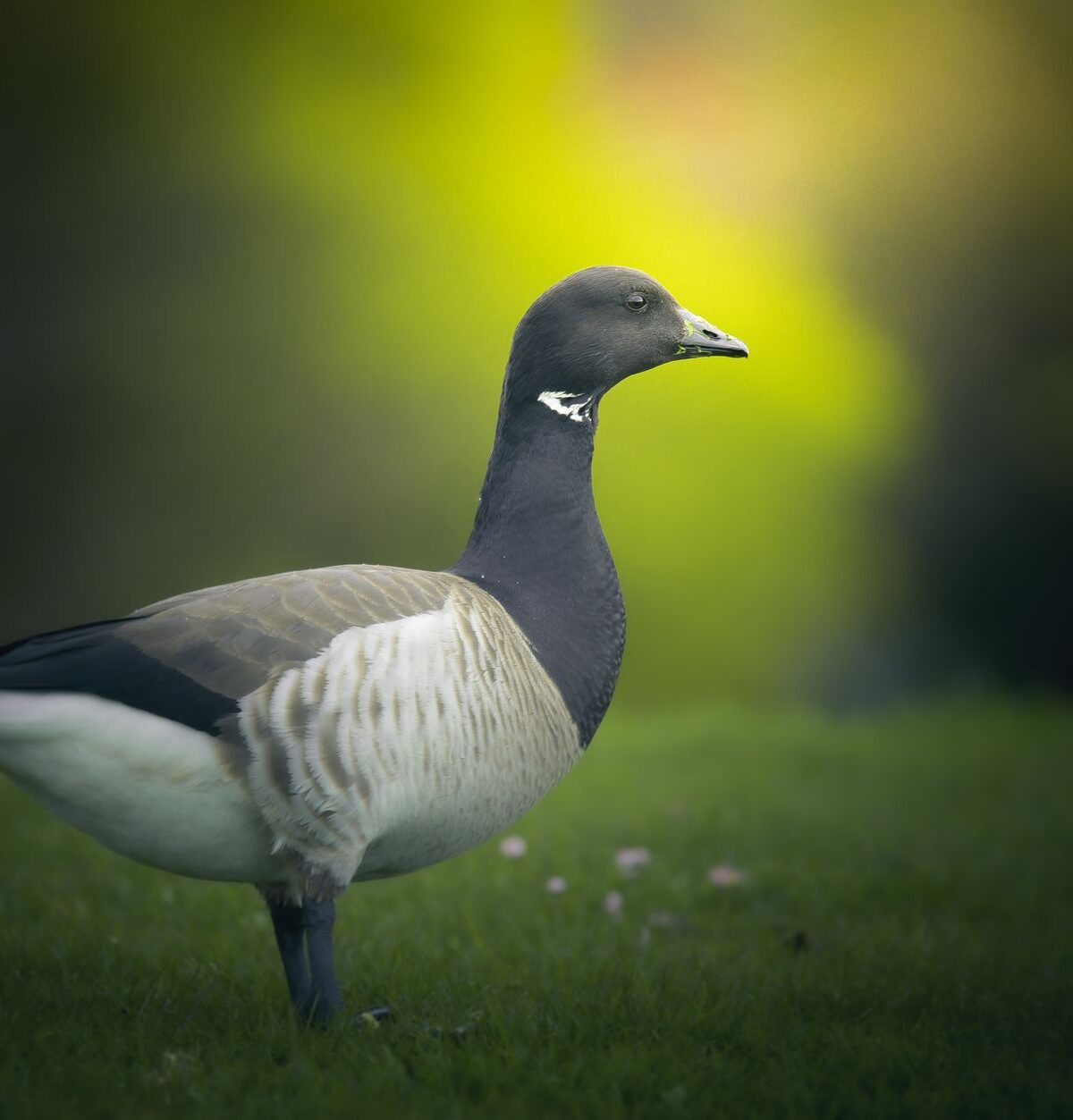
PACIFIC BRANT GOOSE
Branta bernicla orientalis
DESCRIPTION
Pacific brant goose (Branta bernicla orientalis) is a medium-sized waterfowl known for its distinctive black head and neck, contrasting with its white cheek patches and brownish body. This species is highly migratory, often traveling long distances between breeding and wintering grounds. They are social birds, typically found in flocks, and are known for their strong, rapid flight and vocalizations during migration.
FUN FACTS
- Pacific brant geese are known for their impressive migratory journeys, often traveling thousands of miles from their breeding grounds in Siberia to wintering areas along the Pacific coast of North America
- They are also unique among geese for their strong preference for eelgrass, which is a critical food source during migration and wintering.| These geese have a fascinating social structure, often forming large flocks that can number in the thousands
- Their vocalizations during migration are a distinctive feature, as they communicate with each other while flying in formation
QUICK INFO
Lifespan10-15 years in the wild
Average Weight1.5-2.5 kg
Average Length60-70 cm
Diet TypeHerbivore
Social StructureThey are typically found in groups, often forming large flocks during migration and feeding.
Activity PatternDiurnal
Breeding SeasonSpring (May-June)
- Habitat
- These geese inhabit coastal areas, particularly estuaries and bays, where they can access their preferred aquatic plants. They also utilize grasslands and agricultural fields during migration and wintering.
- Biomes
- Coastal, Wetlands
- Native Range
- Pacific brant geese breed in the Arctic regions of northeastern Siberia and migrate to coastal areas of North America for wintering.
- Continent
- Asia, North America
- Countries
- Russia, United States, Canada
- Diet
- Pacific brant geese primarily feed on aquatic vegetation, including eelgrass and other seagrasses, which they graze on in shallow waters. They may also consume grains and other plant materials when available.
- Diet Type
- Herbivore
- Favorite Food
- Eelgrass, seagrasses
- Social Structure
- They are typically found in groups, often forming large flocks during migration and feeding.
- Activity Pattern
- Diurnal
- Group Size
- 50-200
- Territorial
- 0
 LC
LC
 VU
VU
1.5-2.5 kg
Weight
60-70 cm
Length
- Coloration
- Black head and neck, white cheek patches, brownish body
- Lifespan
- 10-15 years in the wild
- Offspring per Birth
- 3-5
- Sexual Maturity
- 2-3 years
- Breeding Season
- Spring (May-June)
LC
Least Concern
IUCN Red List Status
- Population Status
- The population of Pacific brant geese is currently stable, although they face threats from habitat loss.
- Wild Population Estimate
- 100,000-200,000
- Population Trend
- Stable
- Endangered
- 0
- Threats
- Main threats include habitat loss due to coastal development and pollution, as well as climate change affecting their breeding and feeding grounds.
- Predators
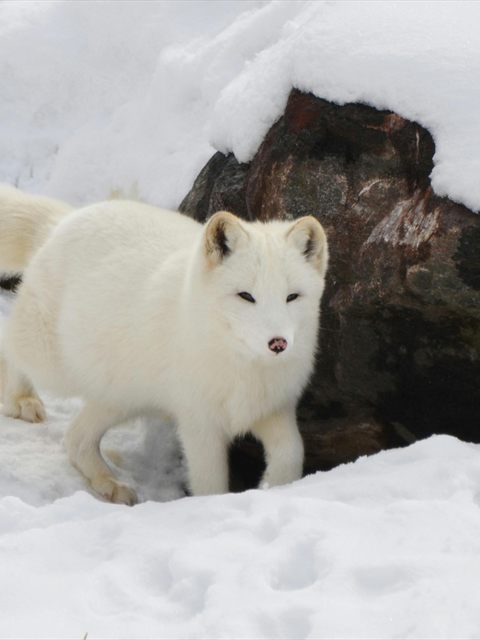
- Arctic foxes, large birds of prey, and humans can pose threats to Pacific brant geese, especially during nesting.
- Defense Mechanisms
- They rely on their strong flight and flocking behavior to evade predators.
- Compatible Animals
- Other waterfowl species, such as ducks and swans
- Found in Zoos
- Uncommon