


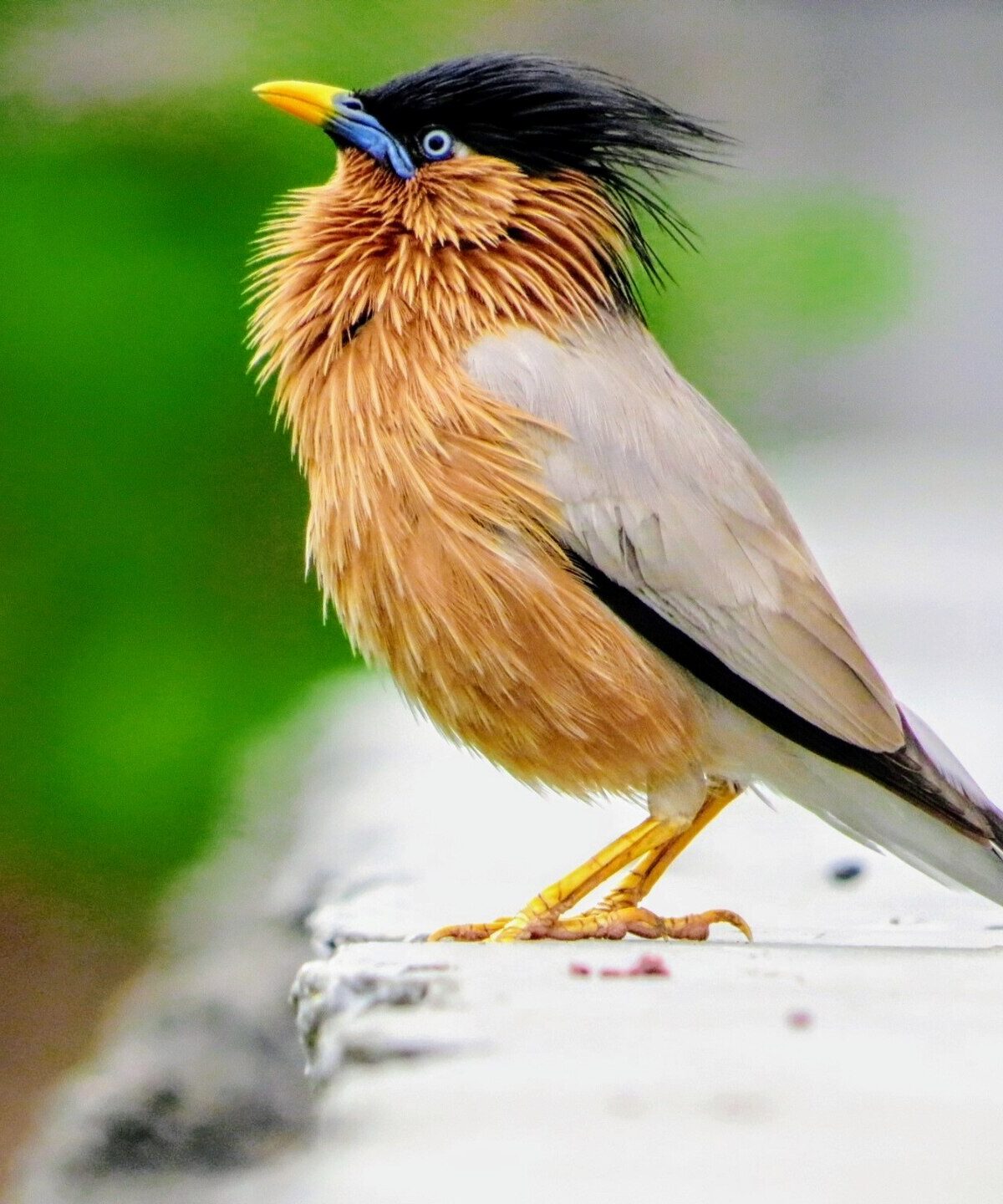
PAGODA STARLING
Sturnus pagodarum
DESCRIPTION
Pagoda Starling (Sturnus pagodarum) is commonly known as the Asian Starling and Indian Starling. This medium-sized bird features a striking plumage with a glossy black body, a distinctive white patch on its wings, and a bright yellow bill. Known for its social behavior, the Pagoda Starling often forages in flocks and is frequently seen in urban areas, where it adapts well to human presence.
FUN FACTS
- Pagoda Starlings are known for their impressive vocal mimicry, often imitating the sounds of other birds and even human-made noises
- They play a significant role in their ecosystems as seed dispersers, helping to maintain the health of their habitats.|These birds are highly adaptable and can thrive in urban environments, often seen foraging in parks and gardens
- Their social nature allows them to communicate effectively, using a variety of calls and body language to coordinate with their flock
QUICK INFO
Lifespan5-10 years in the wild
Average Weight80-100 g
Average Length22-25 cm
Diet TypeOmnivore
Social Structuregroup — they are often found in flocks, especially outside the breeding season.
Activity PatternDiurnal
Breeding SeasonSpring (March-May)
- Habitat
- These birds inhabit a variety of environments, including urban areas, grasslands, and open forests. They prefer habitats that provide ample foraging opportunities and nesting sites.
- Biomes
- Urban, Grassland, Forest
- Native Range
- Pagoda Starlings are native to South Asia, particularly found in countries like India and Nepal.
- Continent
- Asia
- Countries
- India, Nepal, Bangladesh, Myanmar
- Diet
- Pagoda Starlings primarily feed on insects, fruits, and seeds, showcasing their omnivorous diet. They are known to forage on the ground and in trees, often using their sharp beaks to extract food.
- Diet Type
- Omnivore
- Favorite Food
- insects, fruits, seeds
- Social Structure
- group — they are often found in flocks, especially outside the breeding season.
- Activity Pattern
- Diurnal
- Group Size
- 10-50
- Territorial
- 0
 LC
LC
 LC
LC
80-100 g
Weight
22-25 cm
Length
- Coloration
- glossy black with white wing patches and a yellow bill
- Sexual Dimorphism
- males and females are similar in appearance, with no significant differences.
- Lifespan
- 5-10 years in the wild
- Offspring per Birth
- 3-5
- Sexual Maturity
- 1 year
- Breeding Season
- Spring (March-May)
LC
Least Concern
IUCN Red List Status
- Population Status
- The population of Pagoda Starlings is currently stable, with no immediate threats to their numbers.
- Wild Population Estimate
- 100,000+
- Population Trend
- Stable
- Endangered
- 0
- Threats
- Main threats include habitat loss due to urbanization and agricultural expansion. However, they are adaptable and can thrive in modified environments.
- Predators
- Common predators include birds of prey, domestic cats, and snakes.
- Defense Mechanisms
- They often rely on their flocking behavior to evade predators, using alarm calls to warn others.
- Compatible Animals
- other starlings, small parrots
- Found in Zoos
- Common