


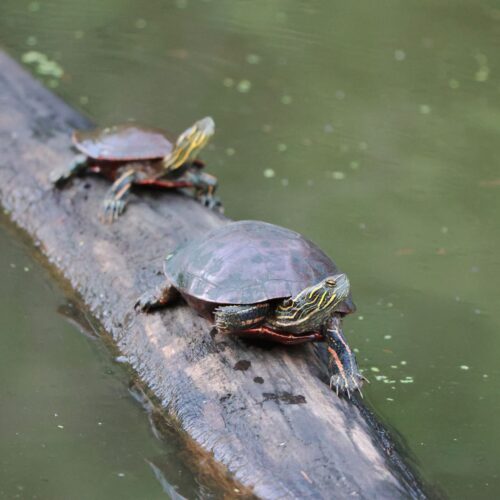
PAINTED TURTLE
Chrysemys picta
DESCRIPTION
The Painted Turtle (Chrysemys picta) is a small to medium-sized turtle known for its striking coloration, which includes a dark green or black shell adorned with bright red, orange, or yellow stripes along the edges. They are semi-aquatic and are often found basking on logs or rocks in the sun, displaying their vibrant colors. Behaviorally, they are social creatures that can often be seen in groups, especially during basking periods, and they play a significant role in their ecosystems by helping to control aquatic vegetation.
FUN FACTS
- Painted Turtles are one of the most widespread turtle species in North America, and they are often used in educational programs due to their docile nature
- They can hold their breath for up to 30 minutes while submerged, allowing them to evade predators and stay hidden in their aquatic habitats.| The vibrant colors of the Painted Turtle serve not only for attraction but also for thermoregulation, helping them to absorb heat from the sun more effectively
- Their ability to bask in groups enhances their social interactions and provides safety in numbers
QUICK INFO
Lifespan20-30 years in the wild, up to 50 in captivity
Average Weight1-2 kg
Average Length10-25 cm
Diet TypeOmnivore
Social StructureGroup, often seen basking together
Activity PatternDiurnal
Breeding SeasonSpring (April-June)
- Habitat
- Painted Turtles inhabit freshwater environments such as ponds, lakes, marshes, and slow-moving rivers. They prefer areas with abundant vegetation and basking sites.
- Biomes
- Freshwater, Temperate Forest
- Native Range
- The Painted Turtle is native to North America, ranging from southern Canada to northern Mexico.
- Continent
- North America
- Countries
- United States, Canada, Mexico
- Diet
- Painted Turtles are omnivorous, feeding on a variety of plant and animal matter. Their diet includes aquatic plants, insects, and small fish.
- Diet Type
- Omnivore
- Favorite Food
- Aquatic plants, insects
- Social Structure
- Group, often seen basking together
- Activity Pattern
- Diurnal
- Group Size
- 5-30
- Territorial
- 0
 LC
LC
 VU
VU

 LC
LC
1-2 kg
Weight
10-25 cm
Length
- Coloration
- Dark green or black shell with red, orange, or yellow stripes
- Sexual Dimorphism
- Males are generally smaller with longer claws, while females are larger.
- Lifespan
- 20-30 years in the wild, up to 50 in captivity
- Offspring per Birth
- 3-15
- Sexual Maturity
- 3-5 years
- Breeding Season
- Spring (April-June)
LC
Least Concern
IUCN Red List Status
- Population Status
- The population is generally stable, but some local populations may be threatened by habitat loss.
- Wild Population Estimate
- Unknown
- Population Trend
- Stable
- Endangered
- 0
- Threats
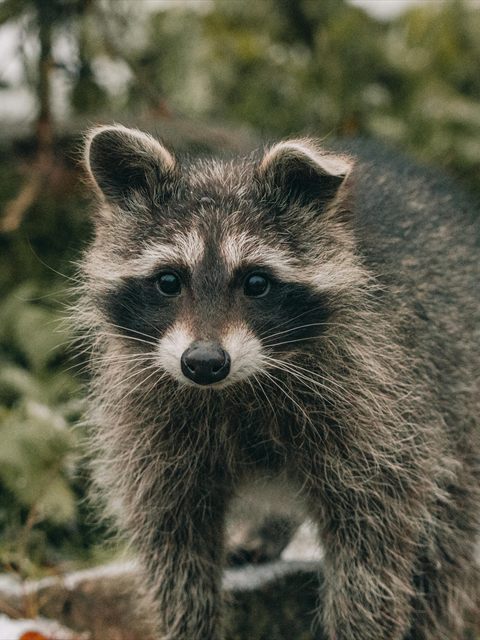
- Main threats include habitat destruction, pollution, and road mortality. They are also vulnerable to predation by raccoons and birds.
- Predators
- Raccoons, birds of prey, foxes, and large fish.
- Defense Mechanisms
- Painted Turtles can retract their heads and limbs into their shells for protection.
- Compatible Animals
- Other turtle species, certain fish species
- Found in Zoos
- Common