


PALESTINE VIPER
Vipera palaestinae
DESCRIPTION
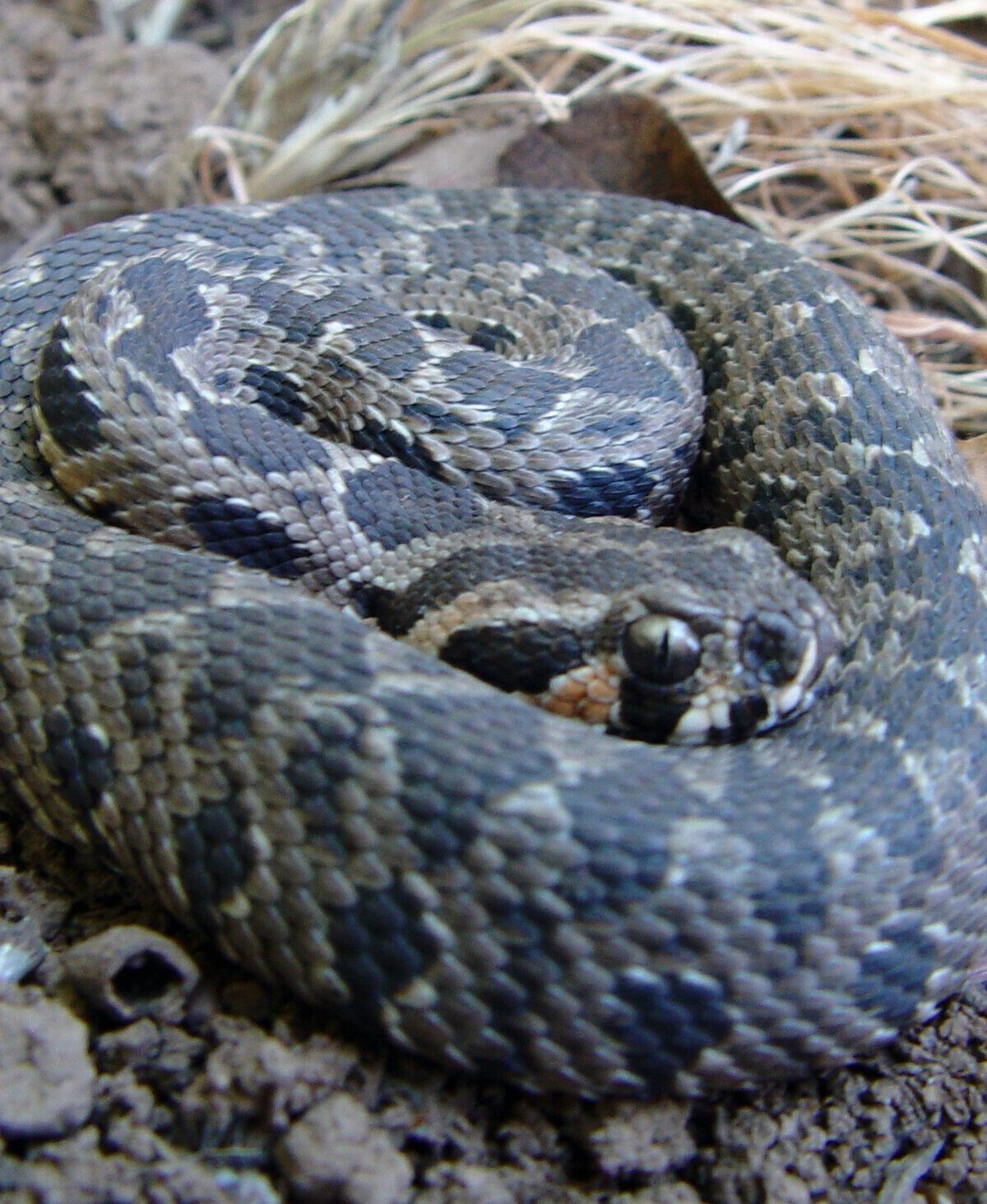
Palestine Viper (Vipera palaestinae) is a venomous snake species characterized by its robust body and distinctive coloration, which typically includes shades of brown, gray, or yellow with dark zigzag patterns along its back. This species is primarily found in rocky and arid habitats, where it exhibits a preference for hiding under stones or in crevices. Palestine Vipers are known for their ambush hunting strategy, often remaining motionless until prey approaches, at which point they strike with precision.
FUN FACTS
- Palestine Vipers are known for their potent venom, which is primarily hemotoxic, affecting the blood and tissues of their prey
- Interestingly, they have a unique method of thermoregulation, often basking in the sun to raise their body temperature before hunting, which enhances their metabolic rate and hunting efficiency.|Despite their fearsome reputation, Palestine Vipers play a crucial role in their ecosystem by controlling the populations of small mammals and other prey species, thus maintaining ecological balance
QUICK INFO
Lifespan10-15 years in the wild
Average Length60-90 cm
Diet TypeCarnivore
Social Structuresolitary
Activity PatternNocturnal
Breeding SeasonSpring (April-June)
- Habitat
- This species inhabits rocky hillsides, scrublands, and open woodlands, often favoring areas with ample cover for ambush hunting. They are typically found at elevations ranging from sea level to about 1,500 meters.
- Biomes
- Mediterranean, Temperate Forest
- Native Range
- The Palestine Viper is native to the eastern Mediterranean region, specifically found in parts of Israel, Jordan, Lebanon, and Syria.
- Continent
- Asia
- Countries
- Israel, Jordan, Lebanon, Syria
- Diet
- Palestine Vipers primarily feed on small mammals, birds, and lizards, utilizing their venom to immobilize prey before consumption.
- Diet Type
- Carnivore
- Favorite Food
- small mammals, birds, lizards
- Social Structure
- solitary
- Activity Pattern
- Nocturnal
- Group Size
- 1
- Territorial
- 0
 VU
VU
60-90 cm
Length
- Coloration
- Typically brown or gray with dark zigzag patterns along the back.
- Sexual Dimorphism
- Males are generally smaller than females.
- Lifespan
- 10-15 years in the wild
- Offspring per Birth
- 4-10
- Sexual Maturity
- 2-3 years
- Breeding Season
- Spring (April-June)
LC
Least Concern
IUCN Red List Status
- Population Status
- The population status of the Palestine Viper is not well-documented, but it is believed to be stable in its native range.
- Population Trend
- Stable
- Endangered
- 0
- Threats
- Main threats include habitat loss due to urbanization and agricultural expansion, as well as persecution due to fear of venomous snakes. Conservation efforts are needed to ensure their habitats remain protected.
- Predators
- Birds of prey, larger snakes, and mammals such as foxes may prey on Palestine Vipers.
- Defense Mechanisms
- Palestine Vipers rely on their cryptic coloration for camouflage and may also exhibit defensive behaviors such as hissing or striking when threatened.
- Found in Zoos
- Uncommon