


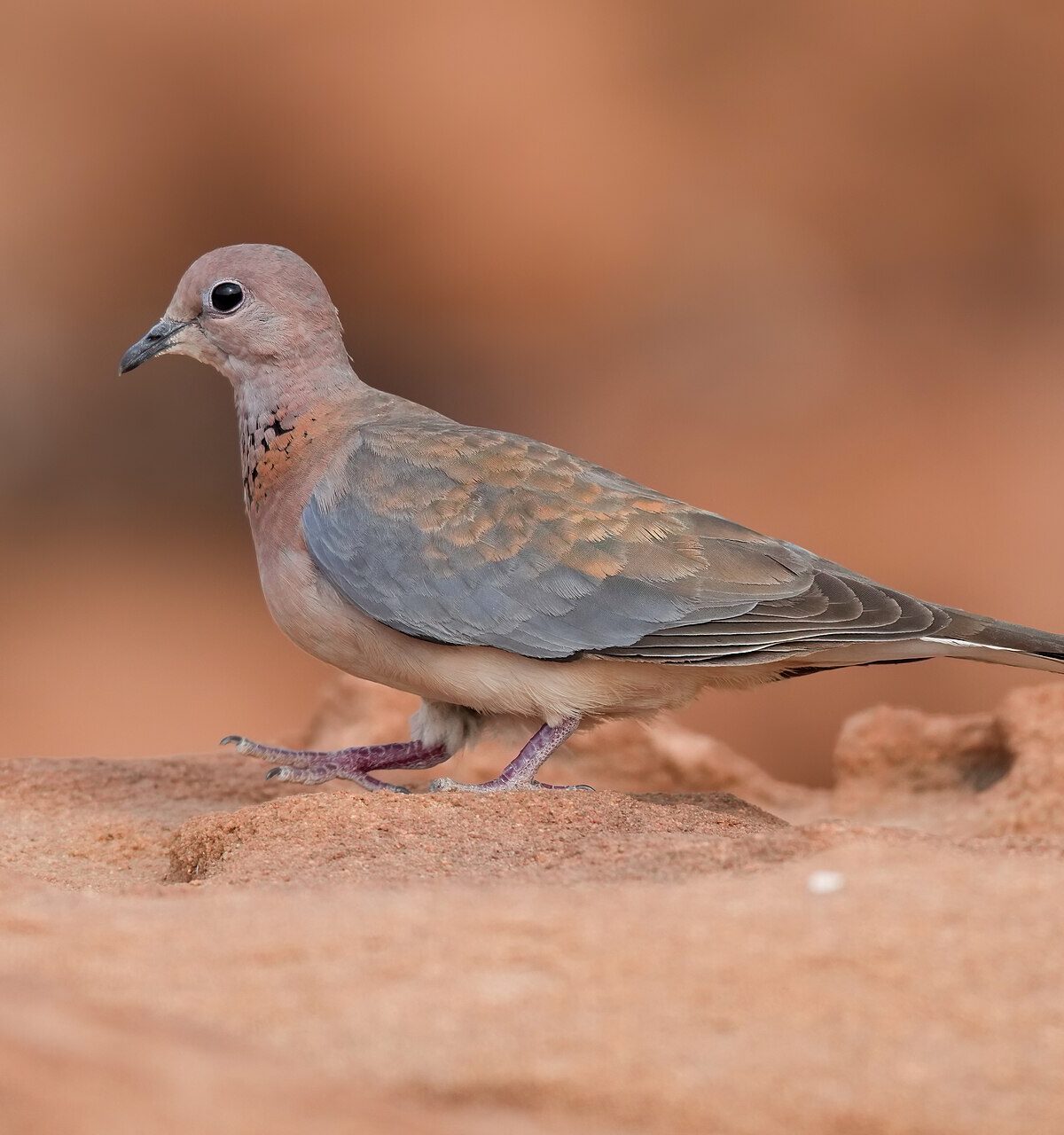
PALM DOVE
DESCRIPTION
Palm Dove is a small, slender dove characterized by its soft, pale plumage and distinctive long tail. It typically exhibits a gentle demeanor, often seen foraging on the ground or perched on low branches. This species is known for its cooing calls and is often found in pairs or small groups, contributing to its social behavior.
FUN FACTS
- Palm Doves are known for their unique courtship displays, which include bowing and cooing to attract mates
- They also have a fascinating nesting behavior, often using twigs and leaves to build their nests in trees or shrubs.|These doves are quite adaptable and can thrive in urban environments, often seen in parks and gardens where food is readily available
- Their gentle nature makes them a favorite among bird watchers and enthusiasts
QUICK INFO
Lifespan5-10 years in the wild
Average Weight150-200 g
Average Length25-30 cm
Diet TypeHerbivore
Social Structurepair, often seen in small groups during foraging
Activity PatternDiurnal
Breeding SeasonSpring to early summer
- Habitat
- Palm Doves inhabit open woodlands, savannas, and areas near human settlements. They prefer habitats with plenty of trees for perching and nesting.
- Biomes
- Tropical Rainforest, Savanna
- Native Range
- The native range of the Palm Dove includes parts of Africa and the Arabian Peninsula.
- Continent
- Africa, Asia
- Countries
- Egypt, Sudan, Saudi Arabia, Yemen
- Diet
- Palm Doves primarily feed on seeds, fruits, and grains, foraging on the ground for food. They may also consume small invertebrates occasionally.
- Diet Type
- Herbivore
- Favorite Food
- seeds, fruits
- Social Structure
- pair, often seen in small groups during foraging
- Activity Pattern
- Diurnal
- Group Size
- 2-10
- Territorial
- 0
 CR
CR
 LC
LC
150-200 g
Weight
25-30 cm
Length
- Coloration
- pale grayish-brown with a slightly darker crown and wings
- Lifespan
- 5-10 years in the wild
- Offspring per Birth
- 1-2
- Sexual Maturity
- 6-12 months
- Breeding Season
- Spring to early summer
LC
Least Concern
IUCN Red List Status
- Population Status
- The population of Palm Doves is currently stable, with no significant declines reported.
- Wild Population Estimate
- unknown
- Population Trend
- Stable
- Endangered
- 0
- Threats
- Main threats to Palm Doves include habitat loss due to deforestation and urbanization. Additionally, hunting in some regions poses a risk to their populations.
- Predators
- cats, hawks, snakes
- Defense Mechanisms
- Palm Doves rely on their ability to fly quickly and their camouflage to evade predators.
- Found in Zoos
- Uncommon