


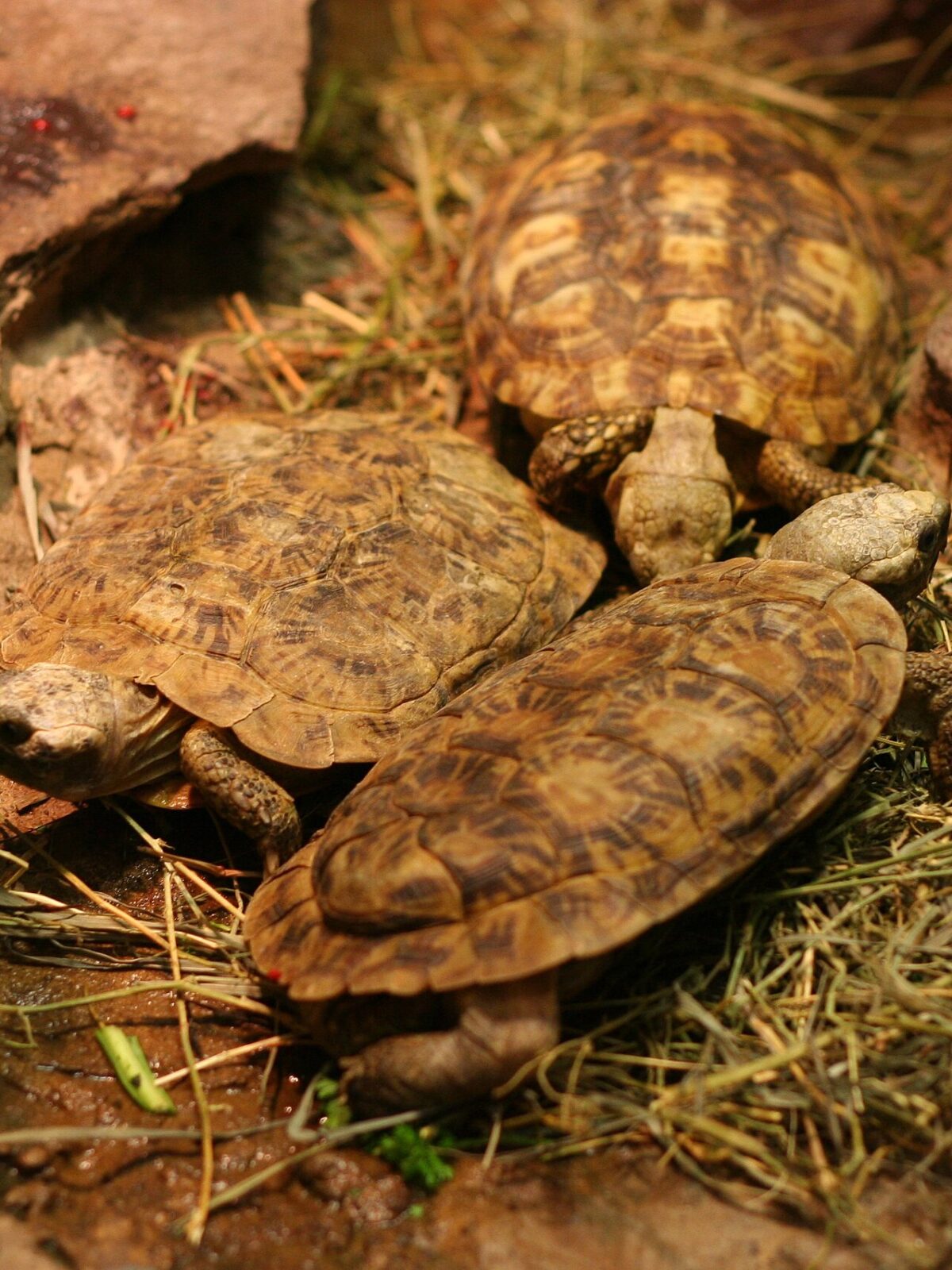
PANCAKE TORTOISE
DESCRIPTION
Also called the Flat Tortoise, the Pancake Tortoise is known for its unique, flattened shell that resembles a pancake, allowing it to squeeze into narrow crevices for protection. This species is primarily found in rocky habitats in East Africa, where it exhibits a remarkable ability to climb and navigate steep terrains. Pancake Tortoises are social creatures, often found basking together on rocks, and they communicate through a variety of vocalizations and body movements.
FUN FACTS
- Pancake Tortoises are unique among tortoises due to their flat shells, which allow them to fit into tight spaces and evade predators
- They are also known for their social behavior, often basking together in groups, which is unusual for tortoises.| These tortoises have a fascinating method of communication, using a variety of sounds and body movements to interact with one another, showcasing a level of social complexity not commonly seen in reptiles
QUICK INFO
Lifespan20-30 years in the wild, up to 50 in captivity
Average Weight1-2 kg
Average Length20-30 cm
Diet TypeHerbivore
Social StructureThey are generally social and can often be found in small groups, but they do not form long-term pair bonds.
Activity PatternDiurnal
Breeding SeasonSpring (March-May)
- Habitat
- Pancake Tortoises inhabit rocky outcrops and savannas, where they can find shelter in crevices. Their unique shell shape allows them to hide from predators in these rocky environments.
- Biomes
- Savanna, Grassland
- Native Range
- The Pancake Tortoise is native to the dry regions of East Africa, particularly in Tanzania and Kenya.
- Continent
- Africa
- Countries
- Tanzania, Kenya
- Diet
- Pancake Tortoises are herbivores, primarily feeding on a variety of grasses, leaves, and fruits. They have a preference for succulent plants, which provide hydration in their arid habitats.
- Diet Type
- Herbivore
- Favorite Food
- grasses, leaves, fruits
- Social Structure
- They are generally social and can often be found in small groups, but they do not form long-term pair bonds.
- Activity Pattern
- Diurnal
- Group Size
- 2-10
- Territorial
- 0
 LC
LC
1-2 kg
Weight
20-30 cm
Length
- Coloration
- The shell is typically a light brown or tan color with darker patterns, providing camouflage against rocky backgrounds.
- Sexual Dimorphism
- Males are generally smaller than females and have a more concave plastron.
- Lifespan
- 20-30 years in the wild, up to 50 in captivity
- Gestation Period
- 60-90 days
- Offspring per Birth
- 1-5
- Sexual Maturity
- 5-7 years
- Breeding Season
- Spring (March-May)
LC
Least Concern
IUCN Red List Status
- Population Status
- The Pancake Tortoise population is currently stable, but habitat loss poses a potential threat.
- Wild Population Estimate
- Unknown
- Population Trend
- Stable
- Endangered
- 0
- Threats
- Main threats include habitat destruction due to agriculture and human encroachment. Additionally, they are sometimes collected for the pet trade.
- Predators
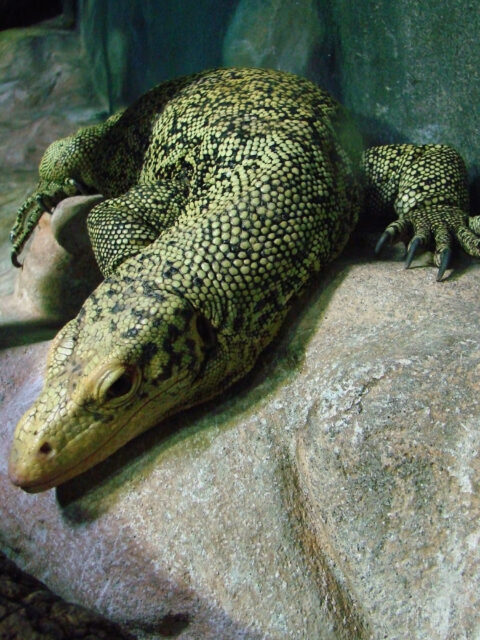
- Predators include birds of prey, monitor lizards, and domestic animals such as dogs.
- Defense Mechanisms
- Pancake Tortoises can hide in crevices and use their flattened shells to escape detection from predators.
- Found in Zoos
- Uncommon