


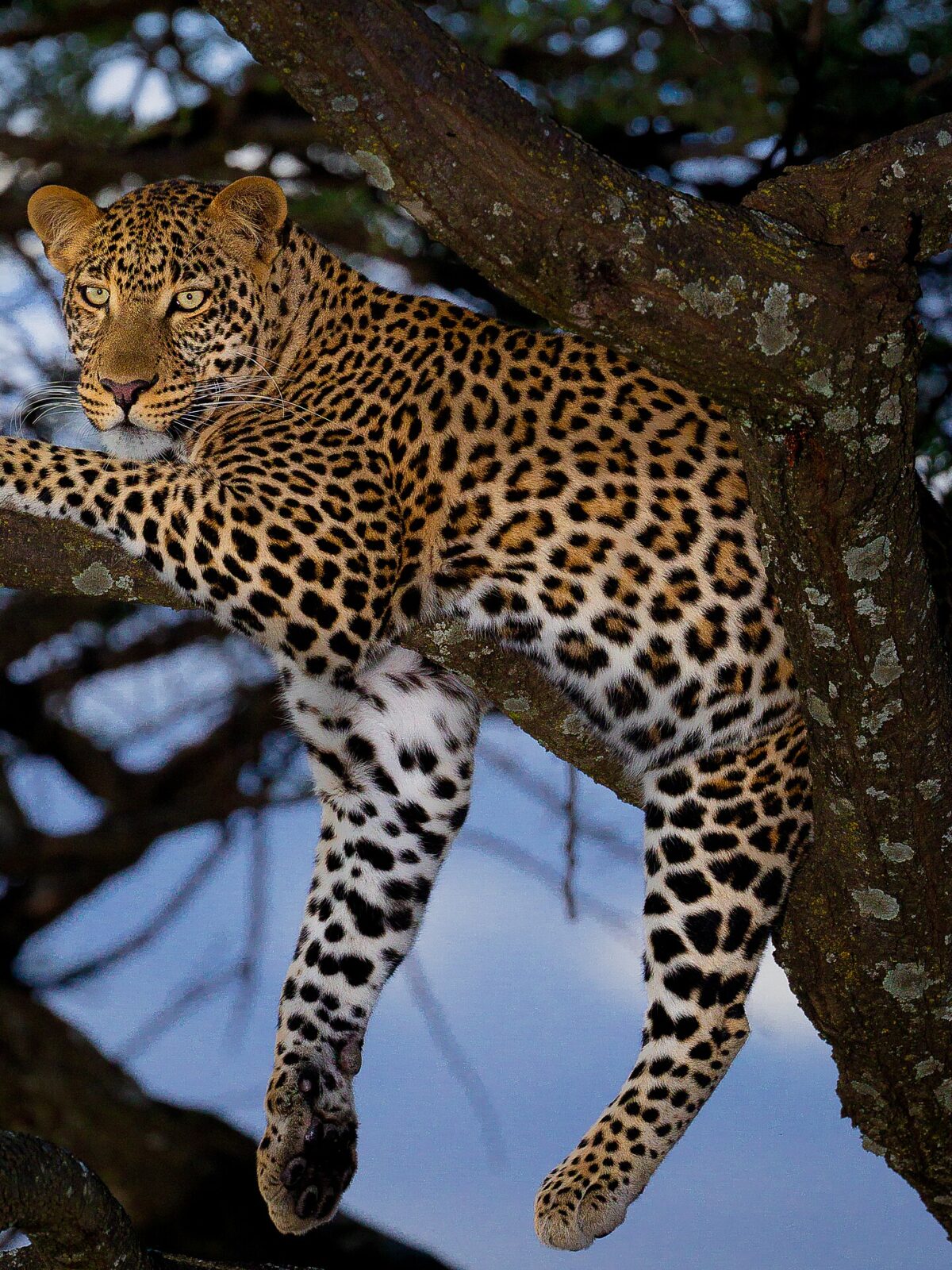
PANTHER
Panthera pardus
DESCRIPTION
The Panther, or Panthera pardus, is a large feline known for its distinctive coat pattern of rosettes and its powerful build. These solitary animals are highly adaptable, thriving in a variety of habitats from savannas to forests. Panthers are skilled climbers and often use trees to stalk prey or evade threats, showcasing their remarkable agility and strength.
FUN FACTS
- Panthers are known for their ability to adapt to various environments, which is why they can be found in diverse habitats across Africa and Asia
- Their unique coat pattern not only provides camouflage but also plays a role in social signaling among other panthers
- | The term 'black panther' refers to melanistic individuals of the species, which have a dark coat due to a genetic mutation
- These black panthers are often found in dense forest habitats where their coloration helps them blend into the shadows
QUICK INFO
Lifespan12-17 years in the wild, up to 20 years in captivi
Average Weight30-90 kg
Average Length1.2-2.0 m
Diet TypeCarnivore
Social StructureSolitary, with individuals maintaining large territories that they mark with scent.
Activity PatternNocturnal
Breeding SeasonYear-round, with peaks depending on the region
- Habitat
- Panthers inhabit a range of environments, including tropical rainforests, savannas, and mountainous regions. They prefer areas with dense vegetation that provide cover for stalking prey.
- Biomes
- Savanna, Tropical Rainforest, Temperate Forest, Grassland
- Native Range
- Panthers are native to sub-Saharan Africa and parts of Asia, including India and Southeast Asia.
- Continent
- Africa, Asia
- Countries
- India, Sri Lanka, Kenya, Tanzania, South Africa, Malaysia, Indonesia
- Diet
- Panthers are carnivorous and primarily hunt medium to large-sized ungulates, but they will also consume smaller mammals and birds when necessary. Their hunting strategy often involves stealth and ambush, taking advantage of their excellent camouflage.
- Diet Type
- Carnivore
- Favorite Food
- Deer, antelope, and smaller mammals
- Social Structure
- Solitary, with individuals maintaining large territories that they mark with scent.
- Activity Pattern
- Nocturnal
- Group Size
- 1
- Territorial
- 1
 LC
LC
30-90 kg
Weight
1.2-2.0 m
Length
- Coloration
- Typically golden-yellow with dark rosettes, but coloration can vary based on habitat.
- Sexual Dimorphism
- Males are generally larger than females.
- Lifespan
- 12-17 years in the wild, up to 20 years in captivi
- Gestation Period
- 90-105 days
- Offspring per Birth
- 1-4
- Sexual Maturity
- 2-3 years
- Breeding Season
- Year-round, with peaks depending on the region
VU
Vulnerable
IUCN Red List Status
- Population Status
- The population is currently declining due to habitat loss and poaching.
- Wild Population Estimate
- 250,000
- Population Trend
- Decreasing
- Endangered
- 1
- Threats
- Main threats include habitat destruction, poaching for their beautiful pelts, and conflicts with humans. As their natural habitats shrink, they are increasingly coming into contact with human populations.
- Conservation Program
- Various conservation programs are in place, including habitat protection and anti-poaching initiatives.
- Predators
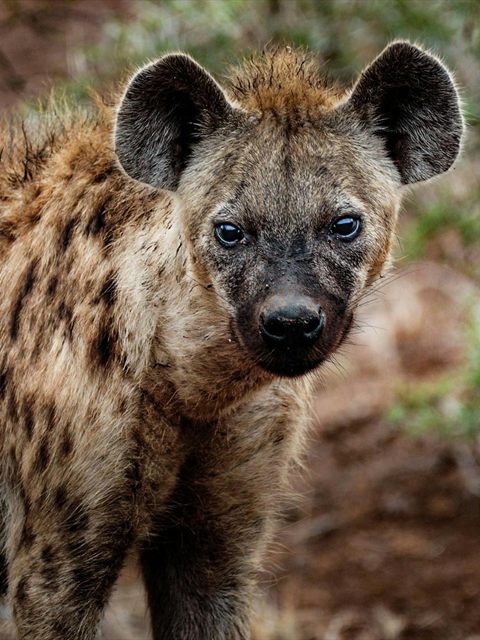
- Humans are the primary threat, but young panthers may be vulnerable to larger predators such as lions and hyenas.
- Defense Mechanisms
- Panthers rely on their stealth and agility to avoid detection, and they can also climb trees to escape threats.
- Found in Zoos
- Common