


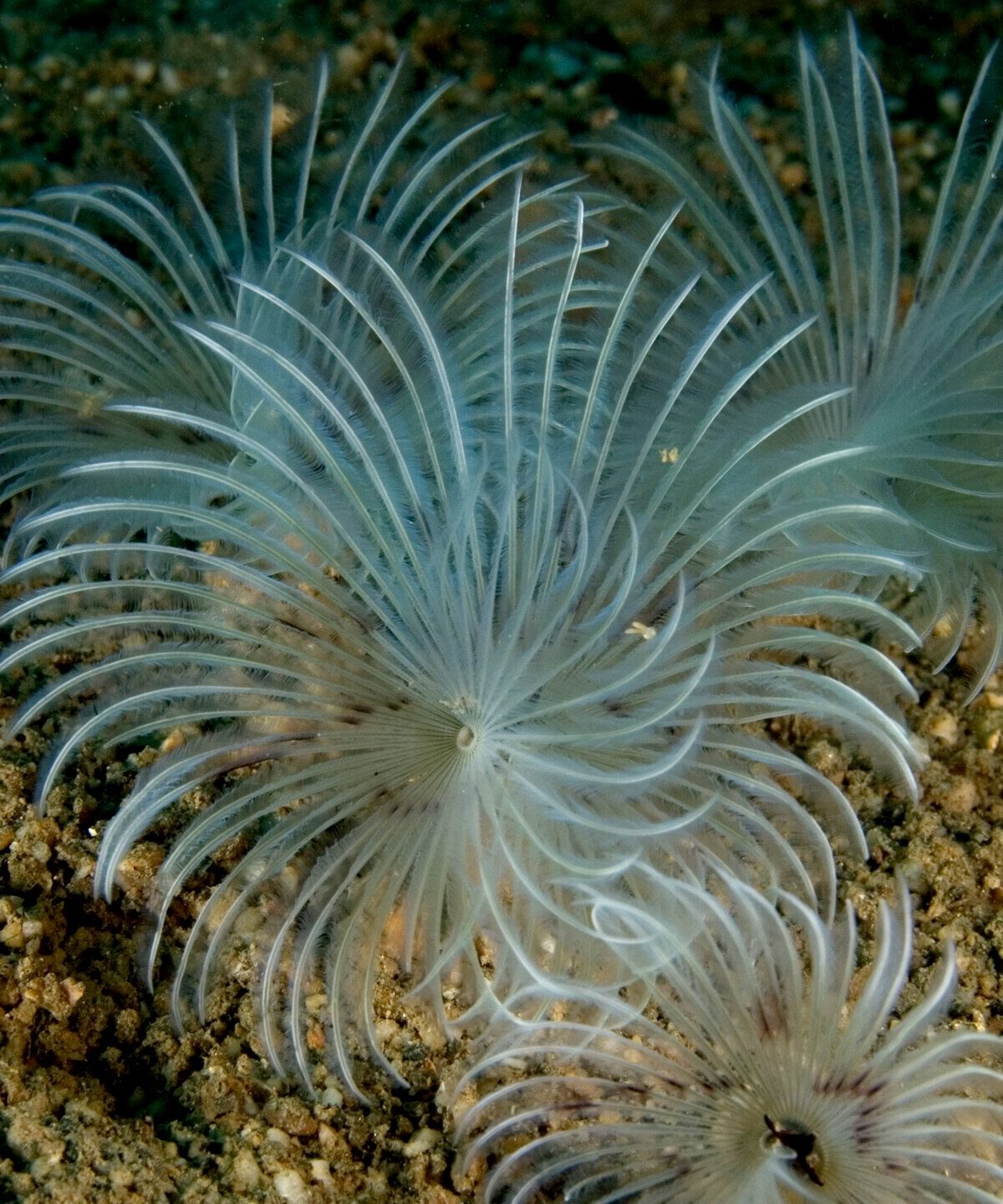
PEACOCK FEATHER WORM
Sabella spp.
DESCRIPTION
Peacock Feather Worm (Sabella spp.) is a marine annelid known for its strikingly beautiful, feather-like radioles that resemble a peacock's tail. These colorful appendages are used for both feeding and respiration, allowing the worm to filter plankton and organic particles from the water. Typically found in sandy or muddy substrates, these worms create protective tubes from sediment and mucus, which they inhabit throughout their lives.
FUN FACTS
- Peacock Feather Worms are not true worms but are classified as annelids, which are segmented worms
- Their beautiful radioles are not only for feeding but also play a role in respiration, making them essential for their survival in marine environments.| These worms can regenerate lost radioles, allowing them to recover from predation or damage
- This ability to regrow their feeding structures is crucial for maintaining their feeding efficiency and overall health
QUICK INFO
Lifespanup to 5 years in the wild
Average Lengthup to 30 cm
Diet TypeOmnivore
Social Structuresolitary, typically live alone in their tubes
Activity PatternDiurnal
Breeding Seasonvaries by region, often during warmer months
- Habitat
- These worms inhabit soft substrates such as sand and mud in shallow marine environments. They are often found in coastal areas, where they can create their tubes in the sediment.
- Biomes
- Coastal, Marine
- Native Range
- Peacock Feather Worms are found in various marine environments around the world, particularly in tropical and subtropical regions.
- Continent
- Asia, Africa, Australia, Americas, Europe
- Countries
- widely distributed in coastal waters globally
- Diet
- Peacock Feather Worms primarily feed on plankton and organic debris, which they capture using their radioles. They are filter feeders, using their feathery appendages to sift food particles from the water.
- Diet Type
- Omnivore
- Favorite Food
- plankton, organic debris
- Social Structure
- solitary, typically live alone in their tubes
- Activity Pattern
- Diurnal
- Group Size
- 1
- Territorial
- 0
 LC
LC
up to 30 cm
Length
- Coloration
- vibrant colors, often with shades of blue, green, and purple
- Lifespan
- up to 5 years in the wild
- Sexual Maturity
- 1-2 years
- Breeding Season
- varies by region, often during warmer months
LC
Least Concern
IUCN Red List Status
- Population Status
- Population status is generally stable, but local conditions can affect numbers.
- Population Trend
- Stable
- Endangered
- 0
- Threats
- Main threats include habitat destruction due to coastal development and pollution. These factors can degrade the quality of their habitats and reduce food availability.
- Predators
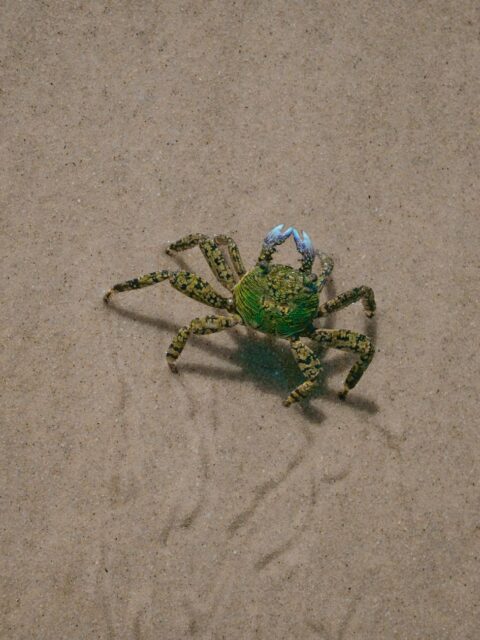
- Various fish species, crabs, and other marine predators may prey on Peacock Feather Worms.
- Defense Mechanisms
- They can retract into their tubes quickly to avoid predation, and their colorful radioles may also serve as a distraction.
- Found in Zoos
- Rare