


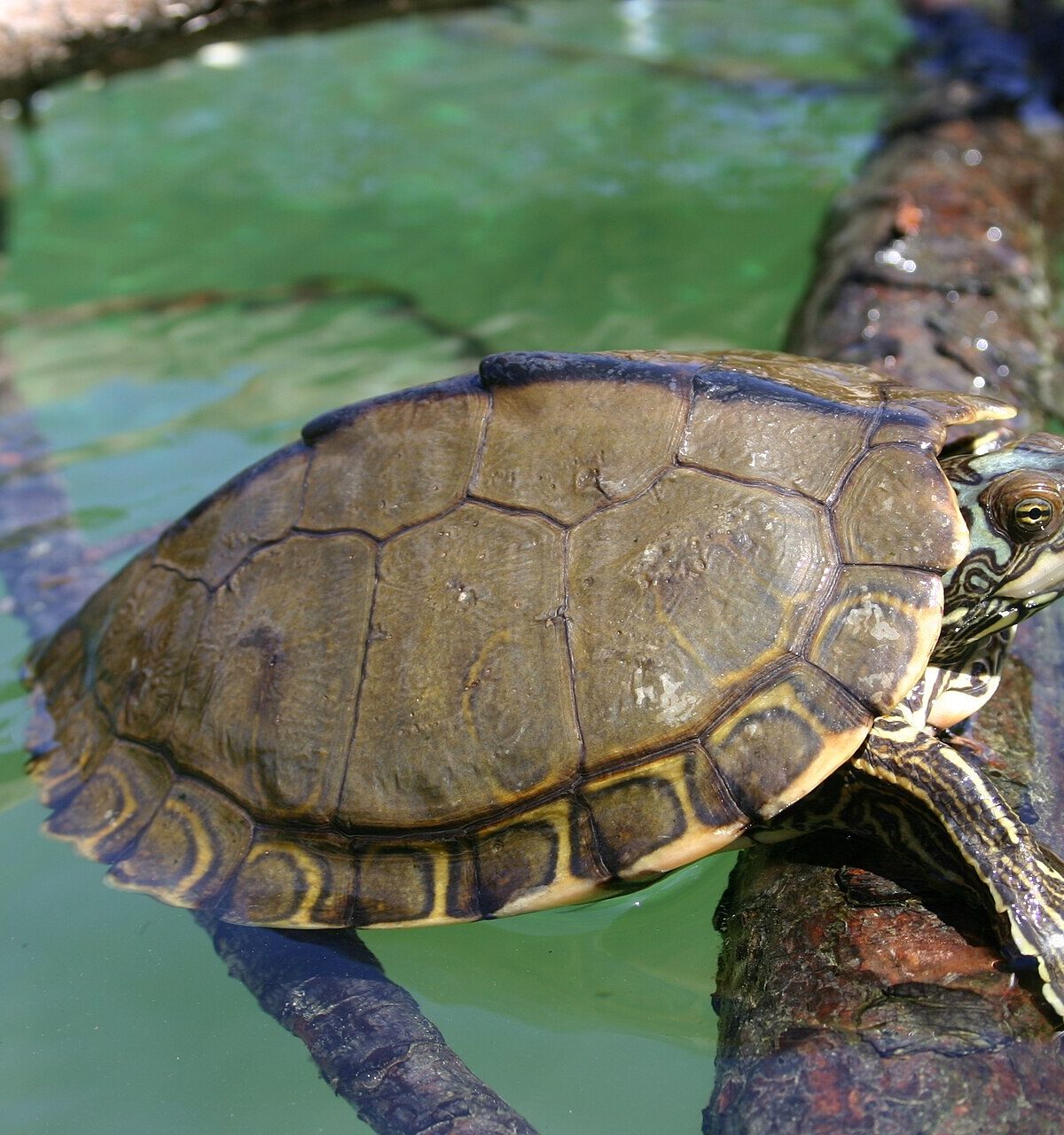
PEARL RIVER MAP TURTLE
Graptemys pearlensis
DESCRIPTION
Pearl River Map Turtle (Graptemys pearlensis) is a distinctive freshwater turtle known for its striking shell patterns and coloration. It features a dark carapace adorned with yellow or white lines that resemble a map, which provides excellent camouflage among the riverbed rocks and vegetation. This species is primarily found in the Pearl River system, where it exhibits a preference for slow-moving waters and basking sites on logs or rocks.
FUN FACTS
- Pearl River Map Turtles are known for their unique shell patterns, which can vary significantly among individuals, making each turtle visually distinct
- This species plays a crucial role in its ecosystem by helping to control invertebrate populations and contributing to the overall health of freshwater habitats.|These turtles are excellent swimmers and can hold their breath for extended periods while foraging underwater
- Their ability to bask in the sun helps regulate their body temperature, which is essential for their metabolism and overall health
QUICK INFO
Lifespan20-30 years in the wild
Average Weight1-2 kg
Average Length20-30 cm
Diet TypeOmnivore
Social Structuresolitary, typically found alone or in small groups during basking
Activity PatternDiurnal
Breeding SeasonSpring (April-June)
- Habitat
- This species inhabits freshwater rivers and streams, particularly those with slow currents and abundant vegetation. It prefers areas with ample basking sites and submerged structures for shelter.
- Biomes
- Freshwater, Riverine
- Native Range
- The Pearl River Map Turtle is native to the Pearl River system, which spans parts of Mississippi and Louisiana in the United States.
- Continent
- North America
- Countries
- United States
- Diet
- The Pearl River Map Turtle primarily feeds on aquatic invertebrates, such as insects and crustaceans, as well as some plant material. Its diet is adapted to its habitat, allowing it to thrive in the diverse ecosystems of the Pearl River.
- Diet Type
- Omnivore
- Favorite Food
- aquatic invertebrates, insects
- Social Structure
- solitary, typically found alone or in small groups during basking
- Activity Pattern
- Diurnal
- Group Size
- 1-5
- Territorial
- 0
 LC
LC
 VU
VU
1-2 kg
Weight
20-30 cm
Length
- Coloration
- dark carapace with yellow or white lines
- Sexual Dimorphism
- males are generally smaller than females
- Lifespan
- 20-30 years in the wild
- Offspring per Birth
- 3-12
- Sexual Maturity
- 4-5 years
- Breeding Season
- Spring (April-June)
VU
Vulnerable
IUCN Red List Status
- Population Status
- The population of Pearl River Map Turtles is currently considered vulnerable due to habitat loss and other environmental pressures.
- Wild Population Estimate
- unknown
- Population Trend
- Decreasing
- Endangered
- 1
- Threats
- Main threats include habitat destruction due to urban development, pollution, and competition with invasive species. These factors have contributed to a decline in their populations.
- Predators
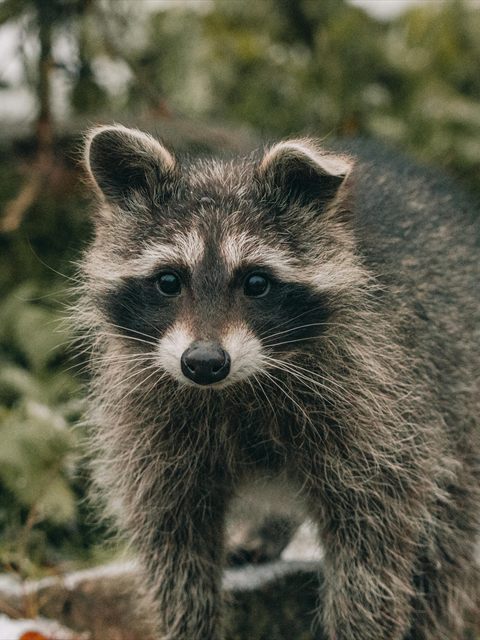
- Raccoons, birds of prey, and large fish are known to prey on the eggs and juvenile turtles.
- Defense Mechanisms
- When threatened, Pearl River Map Turtles can quickly retreat into the water or hide among rocks and vegetation.
- Found in Zoos
- Uncommon