


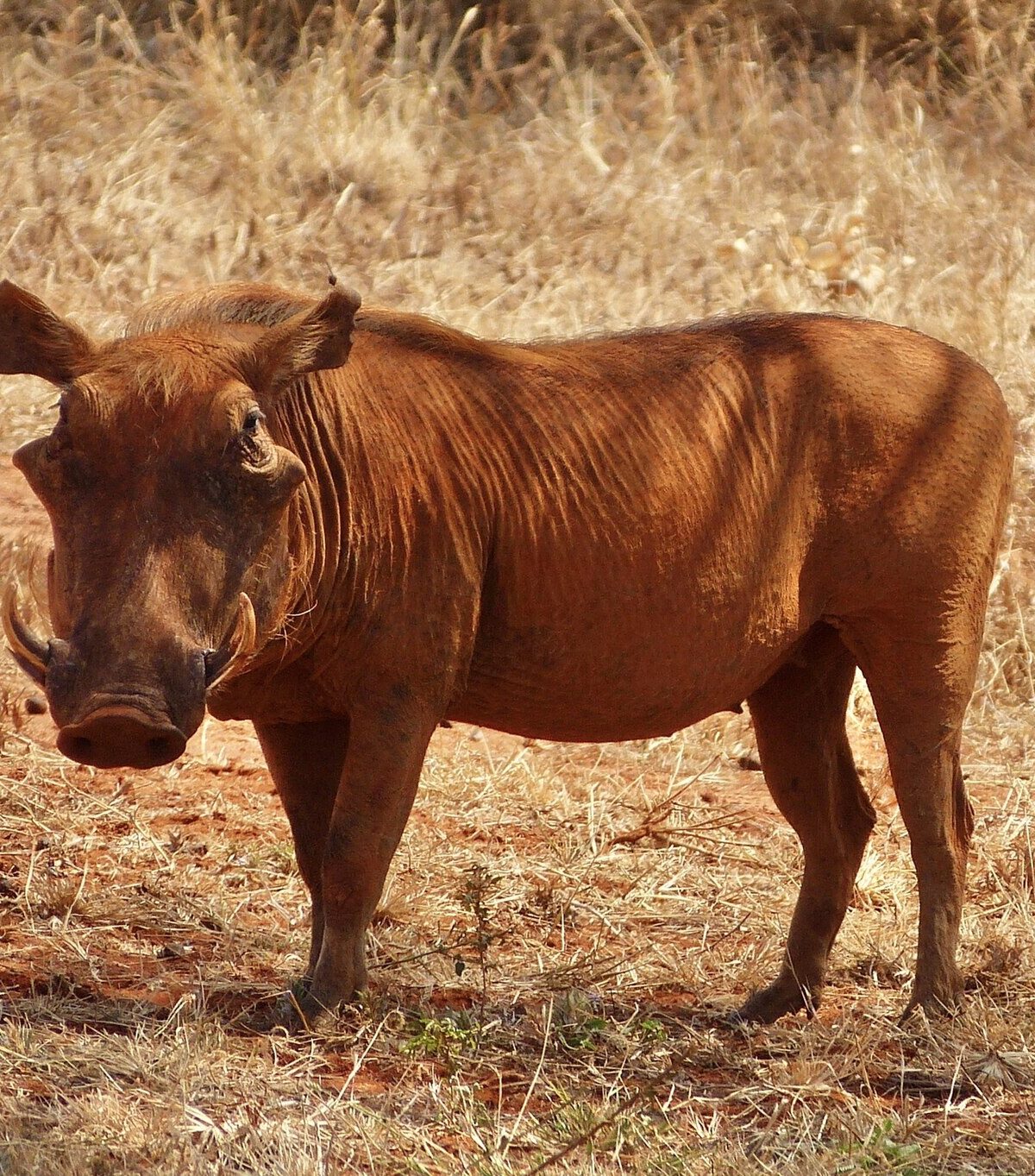
PENCIL-EARED WARTHOG
Phacochoerus aethiopicus
DESCRIPTION
Pencil-Eared Warthog (Phacochoerus aethiopicus) is commonly known as the Desert Warthog due to its adaptation to arid environments. This species is characterized by its distinctive long, pencil-like ears and a relatively slender body compared to other warthogs. They are social animals, often found in small groups, and are known for their foraging behavior, primarily rooting in the ground for food.
FUN FACTS
- Pencil-Eared Warthogs are known for their unique social structure, where females often form matrilineal groups that help raise the young together
- Additionally, they have a fascinating behavior of wallowing in mud, which helps them regulate their body temperature and protect their skin from parasites.|These warthogs have a remarkable ability to adapt to their environment, allowing them to thrive in both dry and wet conditions
- Their long ears not only give them their name but also enhance their hearing, helping them detect predators from a distance
QUICK INFO
Lifespan10-15 years in the wild, up to 20 in captivity
Average Weight50-100 kg
Average Length1.2-1.5 m
Diet TypeHerbivore
Social Structuregroup — they typically live in small family groups led by a dominant female.
Activity PatternDiurnal
Breeding SeasonYear-round, with peaks depending on local conditions
- Habitat
- This species inhabits savannas, grasslands, and scrublands, often in areas with sparse vegetation. They prefer regions where they can easily find food and water sources.
- Biomes
- Savanna, Grassland
- Native Range
- Pencil-Eared Warthogs are native to parts of East Africa, particularly in countries like Kenya and Tanzania.
- Continent
- Africa
- Countries
- Kenya, Tanzania
- Diet
- Pencil-Eared Warthogs primarily feed on grasses, roots, and tubers, using their snouts to dig into the soil. They are opportunistic feeders and will also consume fruits and other plant materials when available.
- Diet Type
- Herbivore
- Favorite Food
- grasses, roots, tubers
- Social Structure
- group — they typically live in small family groups led by a dominant female.
- Activity Pattern
- Diurnal
- Group Size
- 3-10
- Territorial
- 0
 LC
LC
 LC
LC
50-100 kg
Weight
1.2-1.5 m
Length
0.8 m at shoulder
Height (Shoulder)
- Coloration
- They have a coarse, bristly coat that is usually a grayish-brown color.
- Sexual Dimorphism
- Males are generally larger than females and have more prominent tusks.
- Lifespan
- 10-15 years in the wild, up to 20 in captivity
- Gestation Period
- 150 days
- Offspring per Birth
- 2-4
- Sexual Maturity
- 2-3 years
- Breeding Season
- Year-round, with peaks depending on local conditions
LC
Least Concern
IUCN Red List Status
- Population Status
- The population of Pencil-Eared Warthogs is currently stable, but they face habitat loss in some areas.
- Wild Population Estimate
- 10,000-15,000
- Population Trend
- Stable
- Endangered
- 0
- Threats
- Main threats include habitat destruction due to agriculture and human encroachment. Additionally, they are sometimes hunted for bushmeat.
- Predators
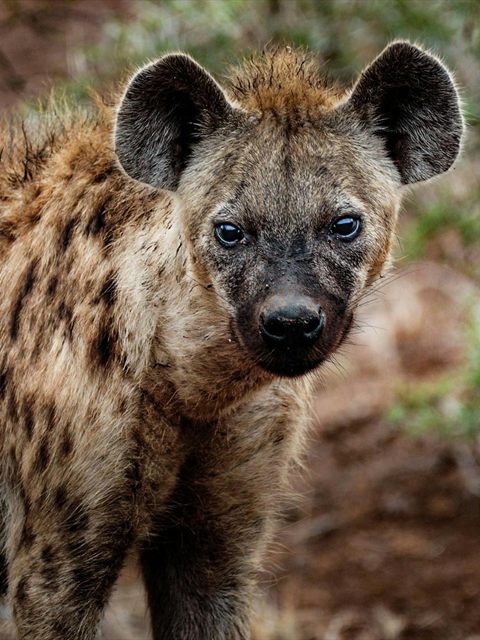
- Lions, hyenas, and crocodiles are known predators of Pencil-Eared Warthogs.
- Defense Mechanisms
- They rely on their speed and agility to escape predators, and can also use their tusks for defense if cornered.
- Compatible Animals
- None
- Found in Zoos
- Uncommon