


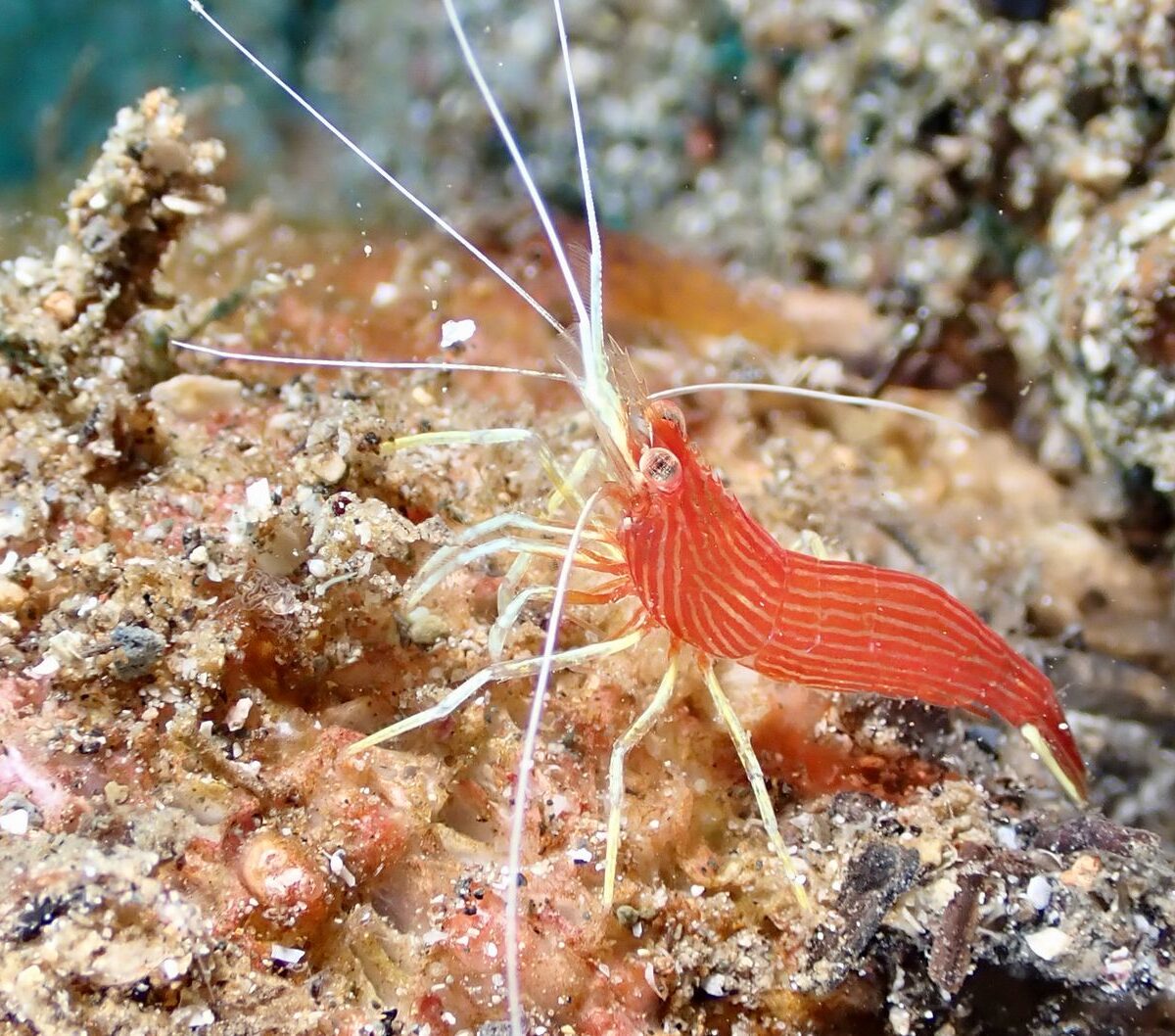
PEPPERMINT SHRIMP
DESCRIPTION
Also called Skunk Shrimp and Cleaner Shrimp, Peppermint Shrimp is a small, colorful marine crustacean known for its striking red and white banded coloration. They are typically found in coral reefs and are recognized for their cleaning behavior, where they remove parasites and dead tissue from fish. This symbiotic relationship benefits both the shrimp and the fish, as the shrimp gain food while the fish receive grooming services.
FUN FACTS
- Peppermint Shrimp are often used in aquariums for their cleaning abilities, helping to maintain the health of tank inhabitants
- They are also known for their vibrant colors, which can vary significantly between individuals, making them a popular choice for marine enthusiasts.|These shrimp have a unique way of communicating with each other through body language and color changes, which can indicate their mood or readiness to mate
- Their cleaning behavior is not only beneficial for fish but also helps to maintain the overall health of the reef ecosystem
QUICK INFO
Lifespan3-5 years in the wild, up to 7 years in captivity
Average Weight1-2 g
Average Length4-5 cm
Diet TypeOmnivore
Social StructureThey are often found in pairs or small groups, indicating a social structure that allows for cooperative cleaning.
Activity PatternDiurnal
Breeding SeasonYear-round in tropical regions
- Habitat
- Peppermint Shrimp inhabit warm, shallow waters of coral reefs, often hiding in crevices or among anemones. They thrive in environments rich in biodiversity.
- Biomes
- Coral Reef
- Native Range
- Native to the tropical and subtropical waters of the Indo-Pacific region.
- Continent
- Asia, Australia, Africa
- Countries
- Indonesia, Philippines, Australia, Maldives, Red Sea
- Diet
- Peppermint Shrimp primarily feeds on detritus, algae, and small parasites found on fish. They play a crucial role in the ecosystem by helping to maintain the health of reef fish.
- Diet Type
- Omnivore
- Favorite Food
- algae, detritus, parasites
- Social Structure
- They are often found in pairs or small groups, indicating a social structure that allows for cooperative cleaning.
- Activity Pattern
- Diurnal
- Group Size
- 2-10
- Territorial
- 0
 LC
LC
1-2 g
Weight
4-5 cm
Length
- Coloration
- Red and white banded coloration with a distinctive pattern.
- Sexual Dimorphism
- Males are generally smaller than females and may have different coloration patterns.
- Lifespan
- 3-5 years in the wild, up to 7 years in captivity
- Gestation Period
- 30 days
- Offspring per Birth
- 20-30
- Sexual Maturity
- 6-12 months
- Breeding Season
- Year-round in tropical regions
LC
Least Concern
IUCN Red List Status
- Population Status
- Population status is generally stable, but local declines may occur due to habitat loss.
- Wild Population Estimate
- Not specifically estimated, but generally considered abundant in suitable habitats.
- Population Trend
- Stable
- Endangered
- 0
- Threats
- Main threats include habitat destruction due to coral reef degradation and pollution. Overfishing in some areas can also impact local populations.
- Predators
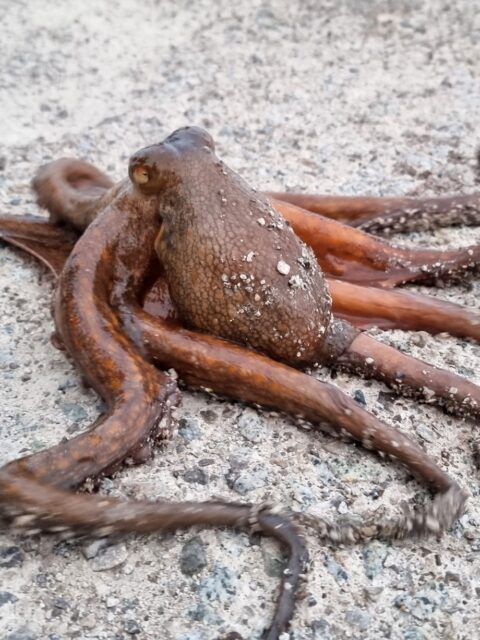
- Larger fish, octopuses, and some species of crabs are known predators of Peppermint Shrimp.
- Defense Mechanisms
- They can quickly retreat into crevices or anemones for protection from predators.
- Compatible Animals
- Clownfish, Gobies, other small reef fish
- Found in Zoos
- Common