


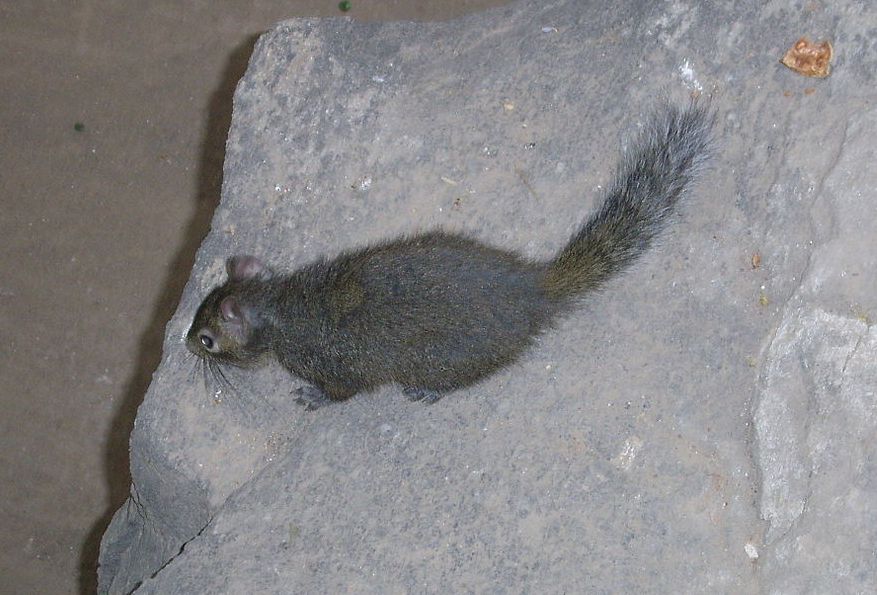
PERE DAVID'S ROCK SQUIRREL
Sciurotamias davidianus
DESCRIPTION
Pere David's Rock Squirrel (Sciurotamias davidianus) is commonly known as David's Squirrel and is characterized by its robust body and long bushy tail. This species exhibits a unique coloration, typically featuring a mix of gray and brown fur with a lighter underbelly. They are primarily found in rocky habitats and are known for their agile climbing abilities, often seen foraging among the rocks and trees.
FUN FACTS
- Pere David's Rock Squirrel is named after the French missionary and naturalist Père David, who first described the species in the 19th century
- They are known for their impressive climbing skills, often seen navigating steep rocky terrains with ease.| These squirrels have a unique social structure, often foraging in small groups, which helps them to be more vigilant against predators
- Their vocalizations include a range of chirps and whistles, which they use to communicate with each other
QUICK INFO
Lifespan5-10 years in the wild
Average Weight0.5-1 kg
Average Length30-40 cm
Diet TypeHerbivore
Social StructureThey are generally social animals, often found in small groups, but can also be solitary.
Activity PatternDiurnal
Breeding SeasonSpring (April-June)
- Habitat
- This species inhabits rocky areas, often in mountainous regions where they can find ample cover and foraging opportunities. They prefer habitats with a mix of vegetation and exposed rock.
- Biomes
- Temperate Forest, Mountain
- Native Range
- Pere David's Rock Squirrel is native to China, particularly in the regions of northern and central China.
- Continent
- Asia
- Countries
- China
- Diet
- Pere David's Rock Squirrel primarily feeds on a variety of plant materials, including seeds, nuts, and fruits. They may also consume some insects occasionally.
- Diet Type
- Herbivore
- Favorite Food
- seeds, nuts, fruits
- Social Structure
- They are generally social animals, often found in small groups, but can also be solitary.
- Activity Pattern
- Diurnal
- Group Size
- 2-10
- Territorial
- 1
 LC
LC

 LC
LC
0.5-1 kg
Weight
30-40 cm
Length
- Coloration
- Grayish-brown fur with a lighter underbelly
- Lifespan
- 5-10 years in the wild
- Gestation Period
- 30-35 days
- Offspring per Birth
- 2-5
- Sexual Maturity
- 1 year
- Breeding Season
- Spring (April-June)
LC
Least Concern
IUCN Red List Status
- Population Status
- The population of Pere David's Rock Squirrel is currently stable, but habitat loss poses a potential threat.
- Wild Population Estimate
- Unknown
- Population Trend
- Stable
- Endangered
- 0
- Threats
- Main threats include habitat destruction due to urbanization and agriculture. Additionally, they may face competition from invasive species.
- Predators
- Eagles, foxes, snakes
- Defense Mechanisms
- They use their agility to escape predators and can also freeze in place to avoid detection.
- Found in Zoos
- Uncommon