


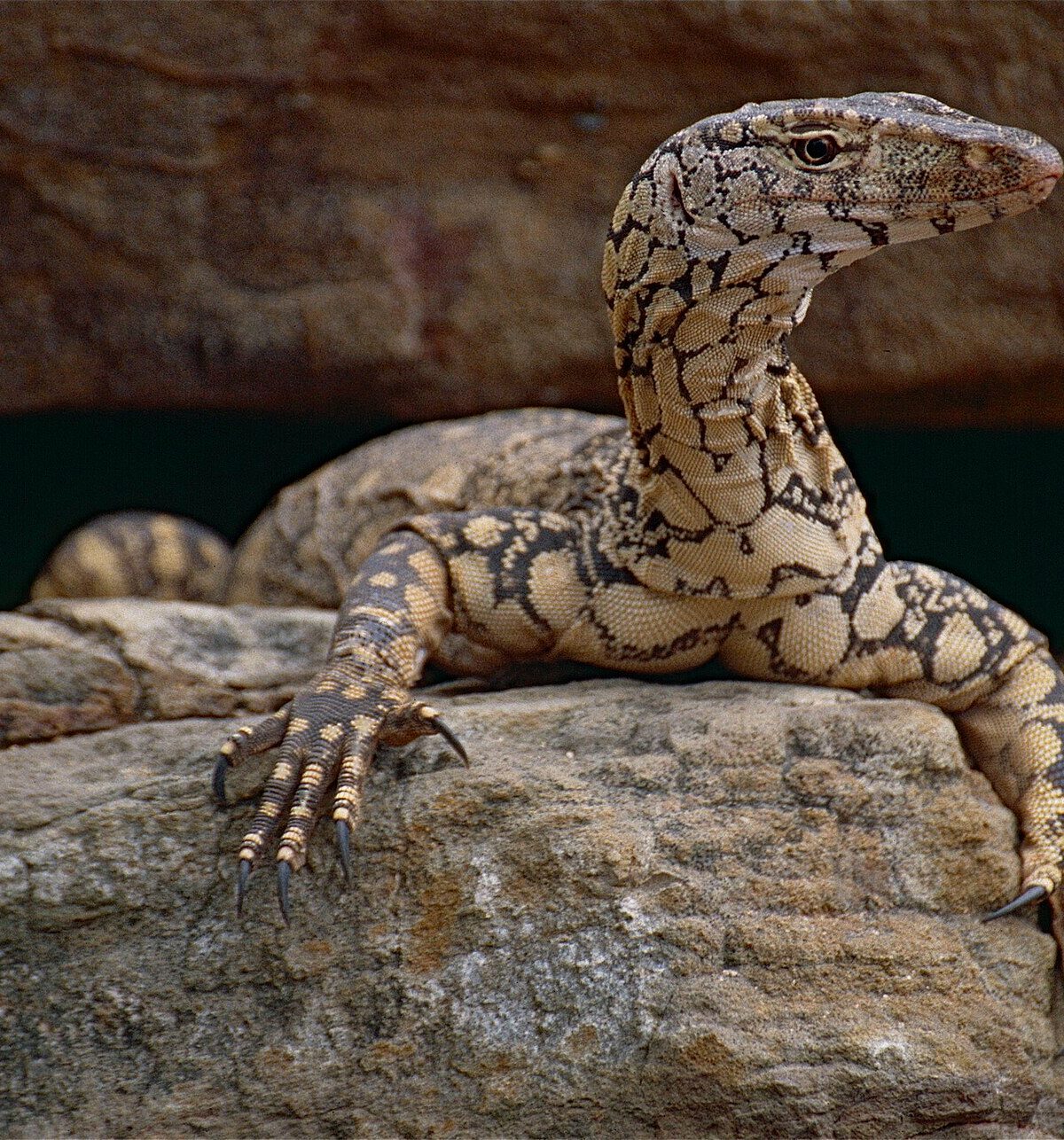
PERENTIE
Varanus giganteus
DESCRIPTION
Perentie (Varanus giganteus) is commonly known as the Giant Monitor or Goanna, and is the largest monitor lizard native to Australia. This impressive reptile can reach lengths of up to 2.5 meters and is characterized by its robust body, long tail, and a distinctive pattern of yellow and black scales. Perenties are primarily terrestrial and are known for their agility and speed, making them effective hunters in their arid and semi-arid habitats.
FUN FACTS
- Perentie is the largest monitor lizard in Australia and is known for its impressive speed and agility, which allows it to catch prey quickly
- They have a keen sense of smell and can detect food from a distance, making them effective hunters in their natural habitat.|Despite their size, Perenties are often elusive and can be difficult to spot in the wild
- They are also known for their intelligence and problem-solving abilities, which are quite remarkable for reptiles
QUICK INFO
Lifespanup to 20 years in the wild
Average Weight5-10 kg
Average Length1.8-2.5 m
Diet TypeCarnivore
Social Structuresolitary, typically found alone except during mating
Activity PatternDiurnal
Breeding SeasonSpring (September-November)
- Habitat
- Perenties inhabit a variety of environments, including deserts, rocky outcrops, and scrublands. They prefer areas with plenty of cover and access to sunlight for basking.
- Biomes
- Desert, Grassland, Savanna
- Native Range
- Perentie is native to Australia, particularly in the central and western regions.
- Continent
- Australia
- Countries
- Australia
- Diet
- Perenties are carnivorous and primarily feed on small mammals, birds, and reptiles. They are opportunistic hunters and will also scavenge when the opportunity arises.
- Diet Type
- Carnivore
- Favorite Food
- small mammals, birds, reptiles
- Social Structure
- solitary, typically found alone except during mating
- Activity Pattern
- Diurnal
- Group Size
- 1
- Territorial
- 1
 LC
LC
 VU
VU

5-10 kg
Weight
1.8-2.5 m
Length
- Coloration
- dark brown to black with yellow or cream-colored markings
- Sexual Dimorphism
- males are generally larger than females
- Lifespan
- up to 20 years in the wild
- Offspring per Birth
- 6-12
- Sexual Maturity
- 3-4 years
- Breeding Season
- Spring (September-November)
LC
Least Concern
IUCN Red List Status
- Population Status
- The population of Perentie is currently stable, but habitat loss poses a potential threat.
- Wild Population Estimate
- unknown
- Population Trend
- Stable
- Endangered
- 0
- Threats
- Main threats include habitat destruction due to land development and climate change. Additionally, they may face competition from invasive species.
- Predators
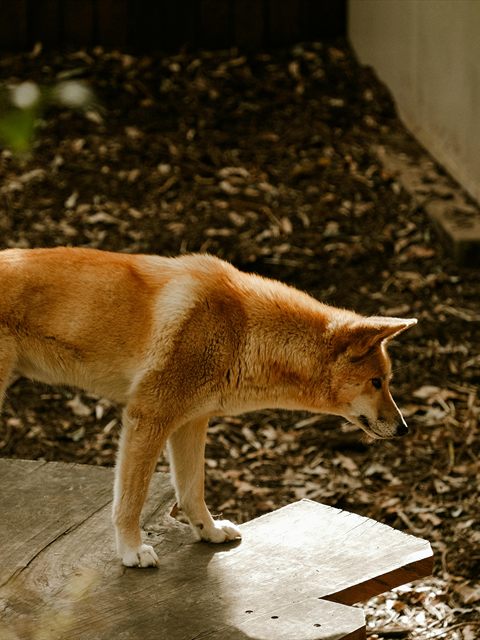
- dingoes, large birds of prey, and occasionally other large reptiles
- Defense Mechanisms
- Perenties can use their speed to escape threats and may also hiss or display aggressive postures when threatened.
- Found in Zoos
- Uncommon