


PERFECT LORIKEET
Trichoglossus rubritorquis
DESCRIPTION
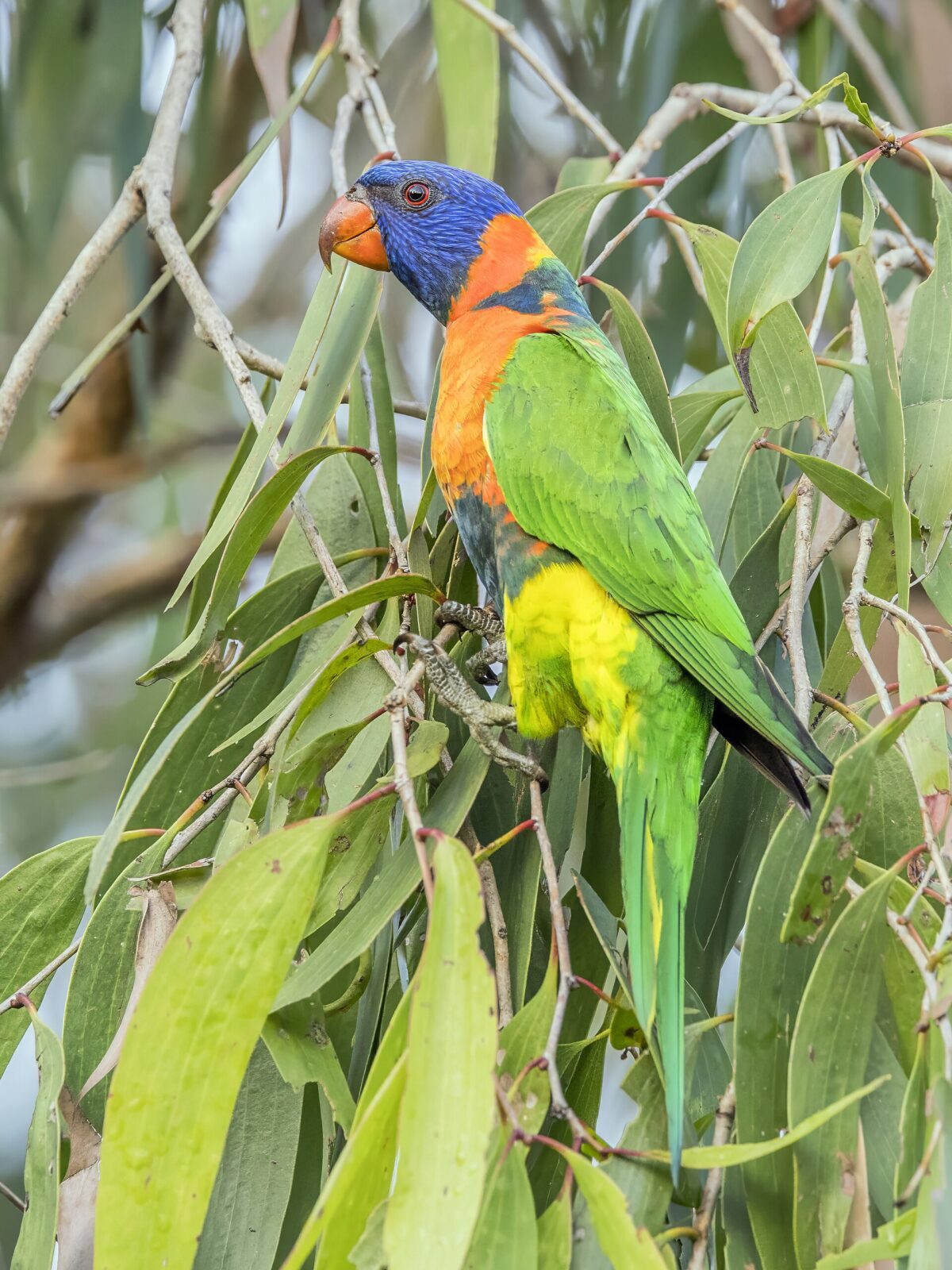
Perfect Lorikeet (Trichoglossus rubritorquis) is also known as the Red-crowned Lorikeet, characterized by its vibrant plumage and distinctive red crown. This small parrot exhibits a playful and social behavior, often seen in pairs or small groups as they forage for nectar and fruits. They inhabit a variety of forested areas, showcasing their adaptability to different ecological niches within their native range.
FUN FACTS
- Perfect Lorikeets are known for their exceptional vocal abilities, often mimicking sounds from their environment, including human speech
- They play a crucial role in their ecosystem as pollinators, helping to facilitate the reproduction of various flowering plants through their feeding habits
QUICK INFO
Lifespan10-15 years in the wild, up to 20 years in captivi
Average Weight100-150 g
Average Length25-30 cm
Diet TypeHerbivore
Social StructureThey are typically found in pairs or small groups, often forming loose flocks during foraging.
Activity PatternDiurnal
Breeding SeasonSpring to early summer
- Habitat
- These birds thrive in subtropical and tropical forests, often found in areas with abundant flowering plants. They prefer habitats that provide ample food sources and nesting sites.
- Biomes
- Tropical Rainforest, Subtropical Forest
- Native Range
- The native range of the Perfect Lorikeet includes parts of northern Australia and nearby islands.
- Continent
- Australia
- Countries
- Australia, Papua New Guinea
- Diet
- Perfect Lorikeets primarily feed on nectar, fruits, and flowers, utilizing their specialized tongues to extract food from blossoms.
- Diet Type
- Herbivore
- Favorite Food
- nectar, fruits, flowers
- Social Structure
- They are typically found in pairs or small groups, often forming loose flocks during foraging.
- Activity Pattern
- Diurnal
- Group Size
- 2-10
- Territorial
- 0
 LC
LC
100-150 g
Weight
25-30 cm
Length
- Coloration
- Bright green body with a red crown and blue underparts.
- Sexual Dimorphism
- Males and females are similar in appearance, making it difficult to distinguish between the sexes.
- Lifespan
- 10-15 years in the wild, up to 20 years in captivi
- Offspring per Birth
- 1-3
- Sexual Maturity
- 1-2 years
- Breeding Season
- Spring to early summer
LC
Least Concern
IUCN Red List Status
- Population Status
- The population of Perfect Lorikeets is currently stable, with no immediate threats to their survival.
- Wild Population Estimate
- Unknown
- Population Trend
- Stable
- Endangered
- 0
- Threats
- Habitat loss due to deforestation and urbanization poses a threat to their populations. Additionally, competition for food resources with other species can impact their survival.
- Predators
- Natural predators include birds of prey and snakes, which may target their nests or young.
- Defense Mechanisms
- They rely on their agility and ability to fly quickly to evade predators.
- Compatible Animals
- Other lorikeets, small parrots
- Found in Zoos
- Common