



PHILIPPINE DUCK
Anas luzonica
DESCRIPTION
The Philippine Duck (Anas luzonica) is a medium-sized duck characterized by its distinctive dark brown plumage with lighter mottling. It has a unique greenish-blue speculum on its wings, which is visible during flight. This species is known for its loud, quacking calls and is often found in pairs or small groups in its natural habitat.
FUN FACTS
- The Philippine Duck is known for its unique vocalizations, which can be heard from a distance and are often used to communicate with other ducks
- Additionally, this species plays a crucial role in its ecosystem by helping to control aquatic plant growth and providing food for various predators in its habitat
QUICK INFO
Lifespan10-15 years in the wild
Average Weight0.7-1.2 kg
Average Length50-60 cm
Diet TypeOmnivore
Social Structurepair or small group, often seen in pairs during breeding season
Activity PatternDiurnal
Breeding SeasonSpring to early summer
- Habitat
- The Philippine Duck inhabits freshwater wetlands, rice paddies, and marshes. It prefers areas with abundant vegetation and shallow water for foraging.
- Biomes
- Wetlands, Freshwater
- Native Range
- The Philippine Duck is native to the Philippines, particularly found on the islands of Luzon, Mindanao, and Palawan.
- Continent
- Asia
- Countries
- Philippines
- Diet
- The Philippine Duck primarily feeds on aquatic plants, seeds, and small invertebrates. It forages in shallow waters and mudflats, using its bill to sift through sediment for food.
- Diet Type
- Omnivore
- Favorite Food
- aquatic plants, seeds, invertebrates
- Social Structure
- pair or small group, often seen in pairs during breeding season
- Activity Pattern
- Diurnal
- Group Size
- 2-10
- Territorial
- 0
 LC
LC
 LC
LC
 VU
VU
0.7-1.2 kg
Weight
50-60 cm
Length
- Coloration
- dark brown with lighter mottling and a greenish-blue speculum
- Sexual Dimorphism
- males are slightly larger and have brighter coloration than females
- Lifespan
- 10-15 years in the wild
- Offspring per Birth
- 6-12
- Sexual Maturity
- 1 year
- Breeding Season
- Spring to early summer
EN
Endangered
IUCN Red List Status
- Population Status
- The population is currently declining due to habitat loss and hunting.
- Wild Population Estimate
- unknown
- Population Trend
- Decreasing
- Endangered
- 1
- Threats
- Main threats include habitat destruction due to agricultural expansion and hunting. Wetland drainage and pollution also significantly impact their populations.
- Predators
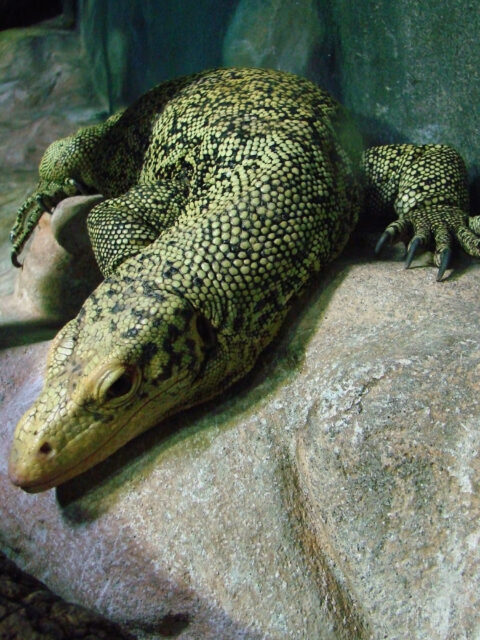
- monitor lizards, snakes, birds of prey, and domestic animals such as dogs
- Defense Mechanisms
- The Philippine Duck relies on its ability to quickly take flight and its camouflage to evade predators.
- Found in Zoos
- Uncommon