


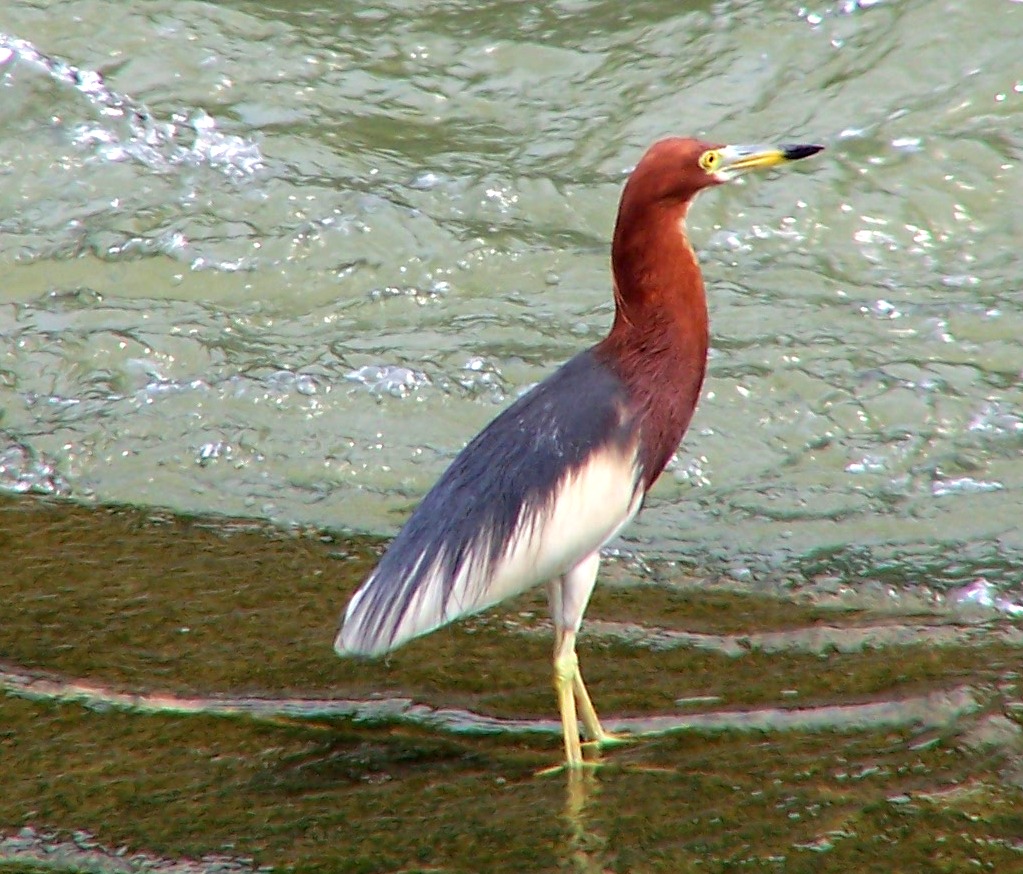
PHILIPPINE RED-BACKED HERON
Ardeola bacchus
DESCRIPTION
Philippine Red-Backed Heron (Ardeola bacchus) is a medium-sized heron characterized by its distinctive reddish-brown back and white underparts. This species exhibits a unique behavior of standing still for long periods while hunting, often waiting patiently for fish or other prey to come within striking distance. It is typically found in wetlands and coastal areas, where it plays a crucial role in the local ecosystem by controlling fish populations.
FUN FACTS
- The Philippine Red-Backed Heron is known for its unique hunting style, where it can stand motionless for extended periods, waiting for the perfect moment to strike at its prey
- This heron is also a skilled flyer, capable of covering large distances when searching for new feeding grounds or during migration.| Interestingly, the Philippine Red-Backed Heron is often seen in rice fields, where it helps control pest populations, making it a beneficial species for local agriculture
QUICK INFO
Lifespan10-15 years in the wild
Average Weight0.5-1 kg
Average Length60-70 cm
Diet TypePiscivore
Social Structuresolitary, pairs during breeding season
Activity PatternDiurnal
Breeding SeasonSpring to early summer
- Habitat
- This heron inhabits freshwater and brackish wetlands, including rice paddies, marshes, and coastal areas. It prefers habitats with abundant vegetation for nesting and hunting.
- Biomes
- Wetlands, Coastal
- Native Range
- The species is native to the Philippines and is primarily found on various islands within the archipelago.
- Continent
- Asia
- Countries
- Philippines
- Diet
- The Philippine Red-Backed Heron primarily feeds on small fish, amphibians, and invertebrates. It uses its sharp beak to catch prey in shallow waters.
- Diet Type
- Piscivore
- Favorite Food
- small fish
- Social Structure
- solitary, pairs during breeding season
- Activity Pattern
- Diurnal
- Group Size
- 1-2
- Territorial
- 1
 VU
VU
 LC
LC
 LC
LC
0.5-1 kg
Weight
60-70 cm
Length
- Coloration
- Reddish-brown back with white underparts and a yellowish neck.
- Lifespan
- 10-15 years in the wild
- Offspring per Birth
- 2-4
- Sexual Maturity
- 2-3 years
- Breeding Season
- Spring to early summer
LC
Least Concern
IUCN Red List Status
- Population Status
- The population of the Philippine Red-Backed Heron is currently stable, but habitat loss poses a potential threat.
- Wild Population Estimate
- 5,000-10,000
- Population Trend
- Stable
- Endangered
- 0
- Threats
- Main threats include habitat destruction due to agricultural expansion and pollution of wetland areas. Climate change also poses a risk to their breeding habitats.
- Predators
- Large birds of prey, snakes, and some mammals may prey on the Philippine Red-Backed Heron, especially its eggs and chicks.
- Defense Mechanisms
- They rely on camouflage and stealth to avoid predators, often remaining motionless in their environment.
- Found in Zoos
- Rare