


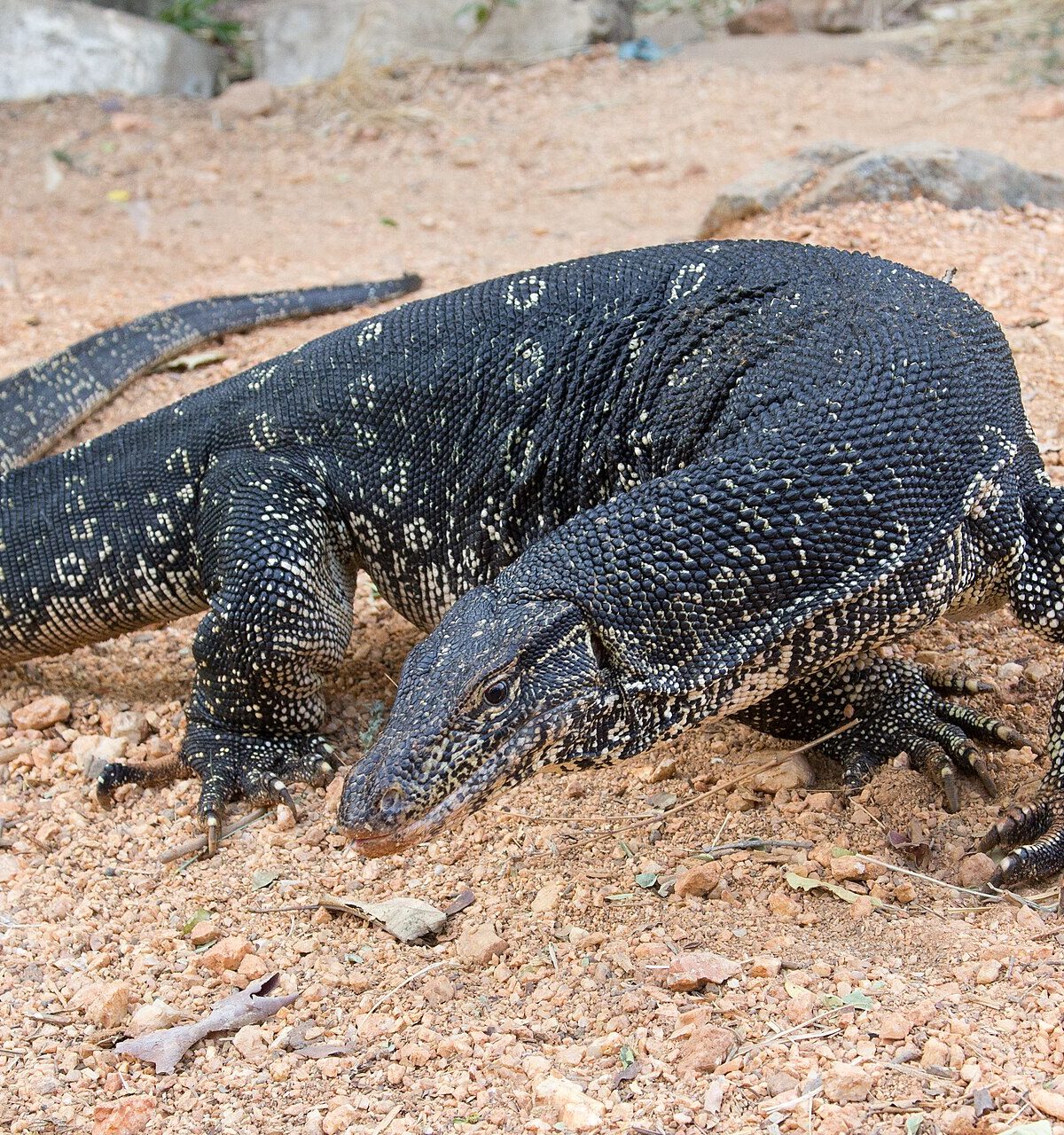
PHILIPPINE WATER MONITOR
Varanus salvator
DESCRIPTION
The Philippine Water Monitor, or Varanus salvator, is a large lizard known for its elongated body and powerful limbs. It typically exhibits a dark brown or black coloration with yellow or cream spots, which helps it blend into its natural habitat. This species is semi-aquatic, often found near water bodies, and is known for its strong swimming abilities and adaptability to various environments.
FUN FACTS
- The Philippine Water Monitor is an excellent swimmer, capable of holding its breath for up to 30 minutes while diving underwater
- They are also known for their intelligence, often using tools to access food, such as using sticks to poke at insects in tree bark.| These lizards have a unique method of communication, using body language and hissing sounds to convey their mood and intentions
- Their keen sense of smell allows them to detect food from a distance, making them effective hunters
QUICK INFO
Lifespan10-15 years in the wild, up to 20 years in captivi
Average Weight10-15 kg
Average Length1.5-2.5 m
Diet TypeCarnivore
Social Structuresolitary
Activity PatternDiurnal
Breeding SeasonSpring (March-May)
- Habitat
- This species thrives in a range of habitats, including mangroves, swamps, and riverbanks. It prefers areas with abundant water sources, which provide both food and shelter.
- Biomes
- Tropical Rainforest, Wetlands
- Native Range
- The Philippine Water Monitor is native to the Philippines and can also be found in parts of Southeast Asia.
- Continent
- Asia
- Countries
- Philippines, Indonesia, Malaysia, Thailand
- Diet
- The Philippine Water Monitor is primarily carnivorous, feeding on a variety of prey including fish, amphibians, small mammals, and birds. It is also known to scavenge on carrion when the opportunity arises.
- Diet Type
- Carnivore
- Favorite Food
- fish, small mammals, birds
- Social Structure
- solitary
- Activity Pattern
- Diurnal
- Group Size
- 1-3
- Territorial
- 1
 VU
VU
 VU
VU
10-15 kg
Weight
1.5-2.5 m
Length
- Coloration
- dark brown or black with yellow or cream spots
- Sexual Dimorphism
- males are generally larger than females
- Lifespan
- 10-15 years in the wild, up to 20 years in captivi
- Offspring per Birth
- 10-20
- Sexual Maturity
- 2-3 years
- Breeding Season
- Spring (March-May)
LC
Least Concern
IUCN Red List Status
- Population Status
- The population is currently stable, but habitat loss poses a potential threat.
- Wild Population Estimate
- unknown
- Population Trend
- Stable
- Endangered
- 0
- Threats
- Main threats include habitat destruction due to urbanization and pollution. Additionally, hunting for their skin and meat poses a risk to local populations.
- Predators
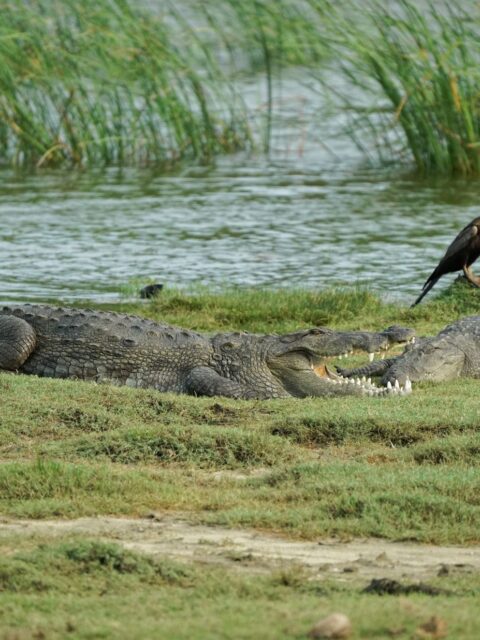
- large birds of prey, crocodiles, and larger mammals
- Defense Mechanisms
- When threatened, the Philippine Water Monitor can escape quickly into the water or climb trees. It may also hiss and display aggressive postures.
- Found in Zoos
- Common