



PIG-NOSED TURTLE
Carettochelys insculpta
DESCRIPTION
The Pig-Nosed Turtle, or Carettochelys insculpta, is a unique freshwater turtle known for its distinctive pig-like snout and flipper-like limbs. This species has a smooth, leathery shell that is typically olive to brown in color, providing excellent camouflage in its natural habitat. They are primarily found in rivers and lakes, where they exhibit a range of behaviors including basking on riverbanks and foraging for food underwater.
FUN FACTS
- The Pig-Nosed Turtle is one of the few turtle species that has flipper-like limbs, which makes it an excellent swimmer
- Unlike many other turtles, they are known to be quite social during basking periods, often seen in small groups on riverbanks
- | This species has a unique respiratory system that allows it to breathe through its cloaca, enabling it to stay submerged for extended periods while foraging for food
- Their distinctive snout is not just for show; it helps them forage for food in the muddy riverbeds where they live
QUICK INFO
Lifespan20-30 years in the wild
Average Weight10-15 kg
Average Length60-70 cm
Diet TypeOmnivore
Social Structuresolitary, occasionally seen in small groups during basking
Activity PatternDiurnal
Breeding SeasonSpring to early summer
- Habitat
- These turtles inhabit freshwater environments such as rivers, lakes, and swamps, often preferring areas with abundant vegetation. They are typically found in slow-moving waters where they can easily forage for food.
- Biomes
- Freshwater, Wetlands
- Native Range
- The Pig-Nosed Turtle is native to the freshwater systems of northern Australia and New Guinea.
- Continent
- Australia, Asia
- Countries
- Australia, Papua New Guinea, Indonesia
- Diet
- Pig-Nosed Turtles are omnivorous, feeding on a variety of aquatic plants, fruits, and small animals. Their diet can include insects, crustaceans, and fish, making them adaptable to different food sources.
- Diet Type
- Omnivore
- Favorite Food
- aquatic plants, fruits, insects
- Social Structure
- solitary, occasionally seen in small groups during basking
- Activity Pattern
- Diurnal
- Group Size
- 1-5
- Territorial
- 0
 LC
LC
 VU
VU
 VU
VU
10-15 kg
Weight
60-70 cm
Length
- Coloration
- olive to brown with a smooth, leathery shell
- Sexual Dimorphism
- males are generally smaller than females
- Lifespan
- 20-30 years in the wild
- Offspring per Birth
- 1-20
- Sexual Maturity
- 5-7 years
- Breeding Season
- Spring to early summer
VU
Vulnerable
IUCN Red List Status
- Population Status
- The population of Pig-Nosed Turtles is currently declining due to habitat loss and hunting.
- Wild Population Estimate
- unknown
- Population Trend
- Decreasing
- Endangered
- 1
- Threats
- Main threats include habitat destruction due to agriculture and urban development, as well as hunting for their meat and shells. Pollution and climate change also pose significant risks to their survival.
- Predators
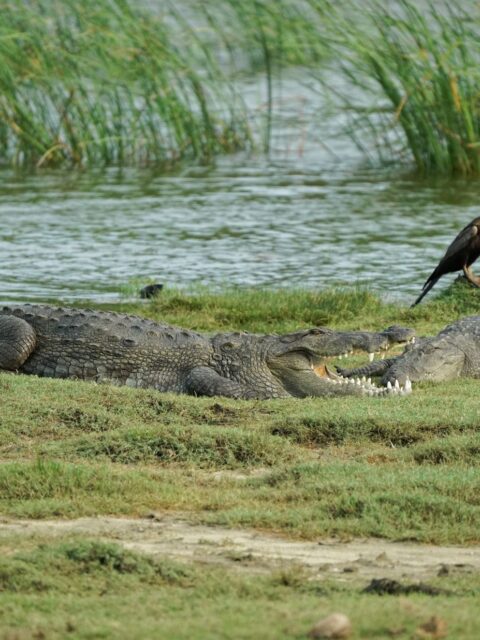
- large fish, birds of prey, and crocodiles
- Defense Mechanisms
- They can quickly retreat into the water and are capable of hiding among vegetation.
- Found in Zoos
- Uncommon