


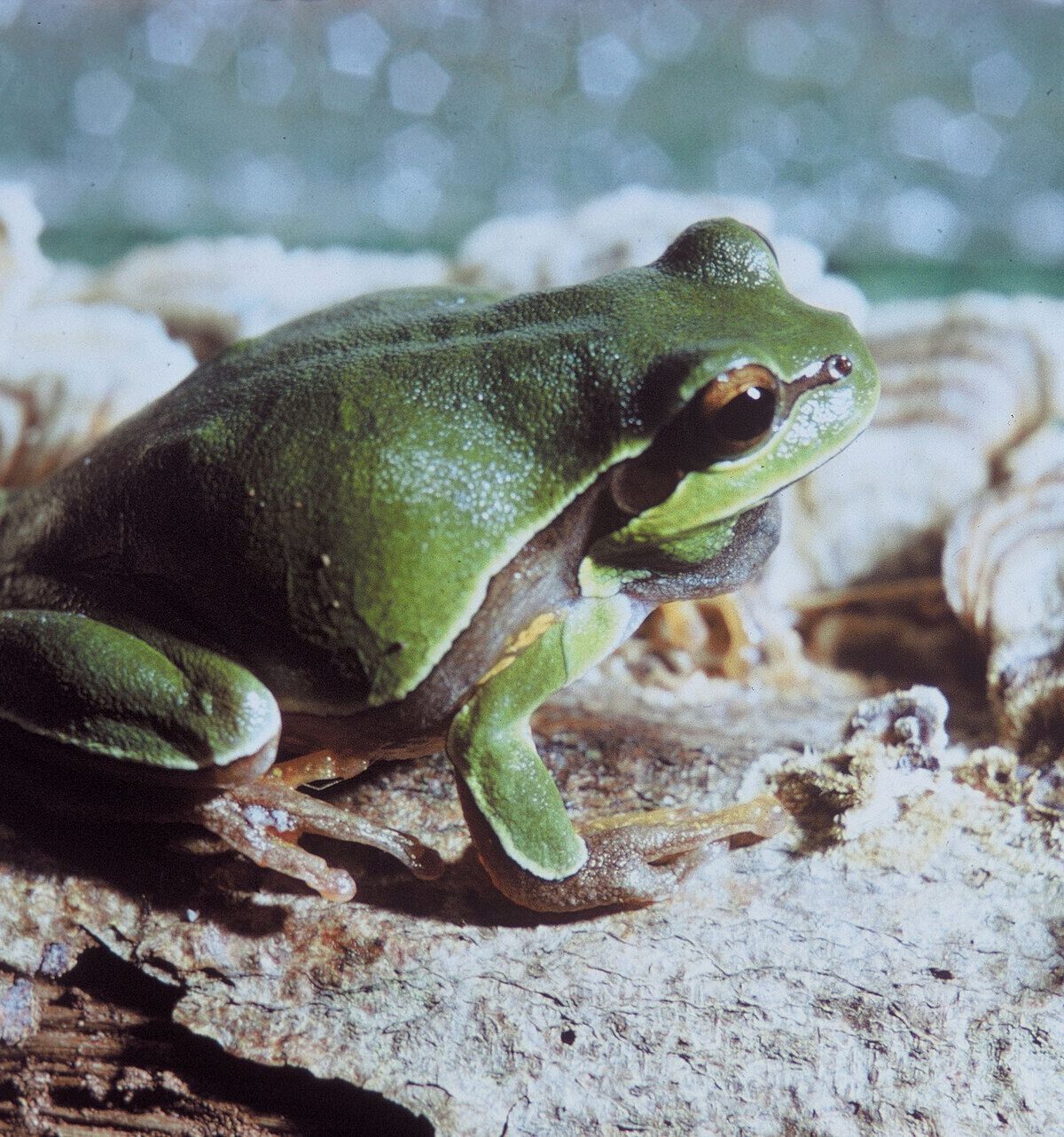
PINE BARRENS TREEFROG
Hyla andersonii
DESCRIPTION
Pine Barrens Treefrog (Hyla andersonii), also known as Anderson's Treefrog, is a small amphibian characterized by its vibrant green coloration and distinctive dark spots. This species is primarily found in the Pine Barrens region of New Jersey and parts of the southeastern United States, where it inhabits sandy soils and wetlands. The Pine Barrens Treefrog is known for its unique vocalizations, which are used during mating season, and its ability to thrive in fire-adapted ecosystems.
FUN FACTS
- Pine Barrens Treefrogs are known for their unique breeding calls, which can be heard during the spring months
- These calls are not only important for attracting mates but also serve as a way to establish territory among males
- | This species has adapted to thrive in fire-prone ecosystems, where periodic fires can help maintain the open habitats they require for breeding
- Their ability to survive in such environments highlights the resilience of this fascinating amphibian
QUICK INFO
Lifespan5-10 years in the wild
Average Length2-3 inches
Diet TypeInsectivore
Social Structuresolitary
Activity PatternNocturnal
Breeding SeasonSpring (April-June)
- Habitat
- This species prefers habitats that include pine forests, wetlands, and areas with sandy soils. It is often found near temporary ponds where it breeds.
- Biomes
- Temperate Forest, Wetland
- Native Range
- The Pine Barrens Treefrog is native to the Pine Barrens region of New Jersey and parts of the southeastern United States.
- Continent
- North America
- Countries
- United States
- Diet
- The Pine Barrens Treefrog primarily feeds on small invertebrates, including insects and spiders. Its diet is crucial for its growth and reproductive success.
- Diet Type
- Insectivore
- Favorite Food
- small insects
- Social Structure
- solitary
- Activity Pattern
- Nocturnal
- Group Size
- 1-5
- Territorial
- 0
 LC
LC
 VU
VU
2-3 inches
Length
- Coloration
- vibrant green with dark spots
- Sexual Dimorphism
- males are typically smaller and have more pronounced vocal sacs than females
- Lifespan
- 5-10 years in the wild
- Offspring per Birth
- 10-50 eggs
- Sexual Maturity
- 1-2 years
- Breeding Season
- Spring (April-June)
EN
Endangered
IUCN Red List Status
- Population Status
- The population of Pine Barrens Treefrog is currently declining due to habitat loss and environmental changes.
- Wild Population Estimate
- unknown
- Population Trend
- Decreasing
- Endangered
- 1
- Threats
- Main threats include habitat destruction due to urban development and changes in land use. Additionally, climate change poses a risk to their wetland habitats.
- Conservation Program
- Conservation efforts are underway to protect their habitats and monitor populations.
- Predators
- snakes, birds, and larger amphibians
- Defense Mechanisms
- Pine Barrens Treefrogs can blend into their surroundings due to their coloration, providing camouflage from predators.
- Found in Zoos
- Uncommon