


PINK BACKED PELICAN
Pelecanus rufescens
DESCRIPTION
The Pink Backed Pelican is a large waterbird characterized by its distinctive pinkish hue on the back and a long, large bill with a pronounced pouch. Adults typically have a white body with a pinkish tinge on the wings and back, while their legs are yellowish. They are social birds, often seen in groups, and are known for their cooperative hunting behavior, where they work together to herd fish into shallow waters.
FUN FACTS
- The Pink Backed Pelican is known for its impressive fishing technique, where it can dive and scoop up fish with its bill
- They can consume large quantities of fish in a single day, sometimes up to 2-3 kg, showcasing their efficiency as piscivores
- | These pelicans are also known for their elaborate courtship displays, which include synchronized swimming and bill clapping, making their mating rituals quite a spectacle in the wild
QUICK INFO
Lifespan15-25 years in the wild
Average Weight4-7 kg
Average Length1.2-1.8 m
Diet TypePiscivore
Social StructureThey are typically found in groups, especially during feeding and nesting, where they may form colonies.
Activity PatternDiurnal
Breeding SeasonSpring to early summer
- Habitat
- Pink Backed Pelicans inhabit freshwater and coastal wetlands, including lakes, rivers, and estuaries. They prefer areas with abundant fish and suitable nesting sites, often near human settlements.
- Biomes
- Wetlands, Coastal
- Native Range
- They are native to parts of Africa and South Asia, particularly in regions around lakes and rivers.
- Continent
- Africa, Asia
- Countries
- Egypt, Sudan, Kenya, Tanzania, India, Bangladesh
- Diet
- The Pink Backed Pelican primarily feeds on fish, which it catches using its large bill and pouch. They may also consume small amphibians and crustaceans when fish are scarce.
- Diet Type
- Piscivore
- Favorite Food
- fish
- Social Structure
- They are typically found in groups, especially during feeding and nesting, where they may form colonies.
- Activity Pattern
- Diurnal
- Group Size
- 10-50
- Territorial
- 0
 DD
DD
 VU
VU
4-7 kg
Weight
1.2-1.8 m
Length
- Coloration
- The plumage is predominantly white with a pinkish hue on the back and wings.
- Lifespan
- 15-25 years in the wild
- Offspring per Birth
- 1-3
- Sexual Maturity
- 3-4 years
- Breeding Season
- Spring to early summer
LC
Least Concern
IUCN Red List Status
- Population Status
- The population is currently stable, but local declines may occur due to habitat loss.
- Wild Population Estimate
- 50,000-100,000
- Population Trend
- Stable
- Endangered
- 0
- Threats
- Main threats include habitat destruction due to agriculture and urban development, as well as pollution in their aquatic environments. Climate change also poses a risk to their breeding sites.
- Predators
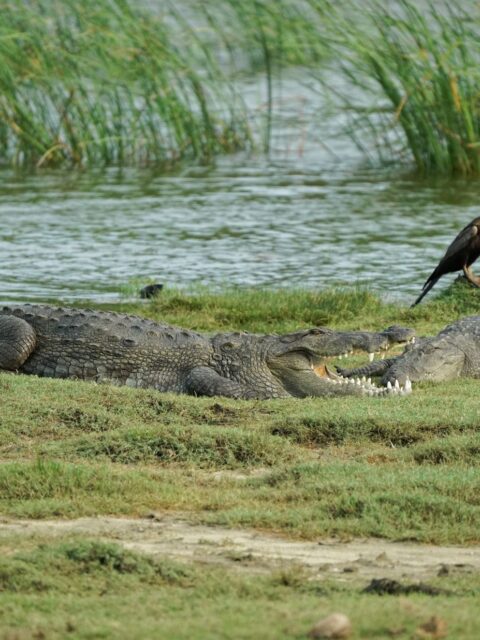
- Large raptors, crocodiles, and humans can pose threats to eggs and young pelicans.
- Defense Mechanisms
- They may use their size and group behavior to deter predators, and they can also take flight to escape threats.
- Compatible Animals
- other waterbirds, such as herons and ducks
- Found in Zoos
- Uncommon