


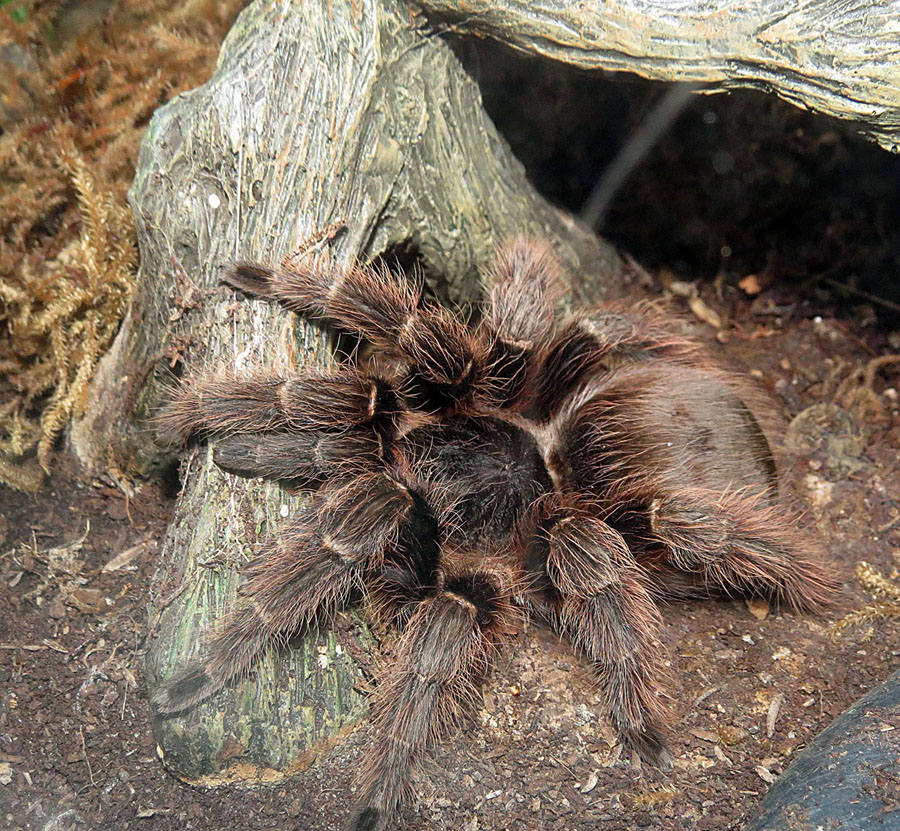
PINK ZEBRA BEAUTY
Eupalaestrus campestratus
DESCRIPTION
Pink Zebra Beauty (Eupalaestrus campestratus) is commonly known as the Pink Zebra Tarantula due to its striking coloration and unique appearance. This species features a combination of pink and black stripes on its legs, giving it a distinctive look that is popular among tarantula enthusiasts. In terms of behavior, it is known to be relatively docile compared to other tarantula species, making it a suitable choice for beginners in the hobby.
FUN FACTS
- The Pink Zebra Beauty is known for its unique coloration, which can vary among individuals, making each one quite distinct
- Additionally, they are often kept as pets due to their relatively calm demeanor, but they still require proper care and handling to thrive.|These tarantulas are fascinating for their burrowing behavior, as they create intricate tunnels in the substrate of their enclosures
- This not only provides them with a safe retreat but also mimics their natural habitat, allowing them to exhibit more natural behaviors
QUICK INFO
Lifespan10-12 years in captivity
Average Length5-6 inches
Diet TypeInsectivore
Social Structuresolitary
Activity PatternNocturnal
- Habitat
- This species is typically found in dry, sandy environments, often in burrows or under rocks. They prefer warm climates and are often located in areas with sparse vegetation.
- Biomes
- Savanna, Grassland
- Native Range
- Eupalaestrus campestratus is native to the grasslands and savannas of South America, particularly in regions of Brazil.
- Continent
- South America
- Countries
- Brazil
- Diet
- Pink Zebra Beauties primarily feed on insects, such as crickets and mealworms. They are opportunistic feeders and will consume a variety of small invertebrates.
- Diet Type
- Insectivore
- Favorite Food
- crickets, mealworms
- Social Structure
- solitary
- Activity Pattern
- Nocturnal
- Group Size
- 1
- Territorial
- 0
 VU
VU

5-6 inches
Length
- Coloration
- pink and black striped legs with a brownish carapace
- Sexual Dimorphism
- Females are generally larger than males.
- Lifespan
- 10-12 years in captivity
- Offspring per Birth
- 50-100
- Sexual Maturity
- 2-3 years
LC
Least Concern
IUCN Red List Status
- Population Status
- The population status of Pink Zebra Beauties is currently stable in their natural habitat.
- Population Trend
- Stable
- Endangered
- 0
- Threats
- The main threats to this species include habitat loss due to agricultural expansion and collection for the pet trade. However, they are not currently considered endangered.
- Predators
- Birds, small mammals, and larger reptiles are known to prey on Pink Zebra Beauties.
- Defense Mechanisms
- They can use their urticating hairs as a defense mechanism, which can irritate the skin of potential predators.
- Found in Zoos
- Uncommon