


PLATYPUS
DESCRIPTION
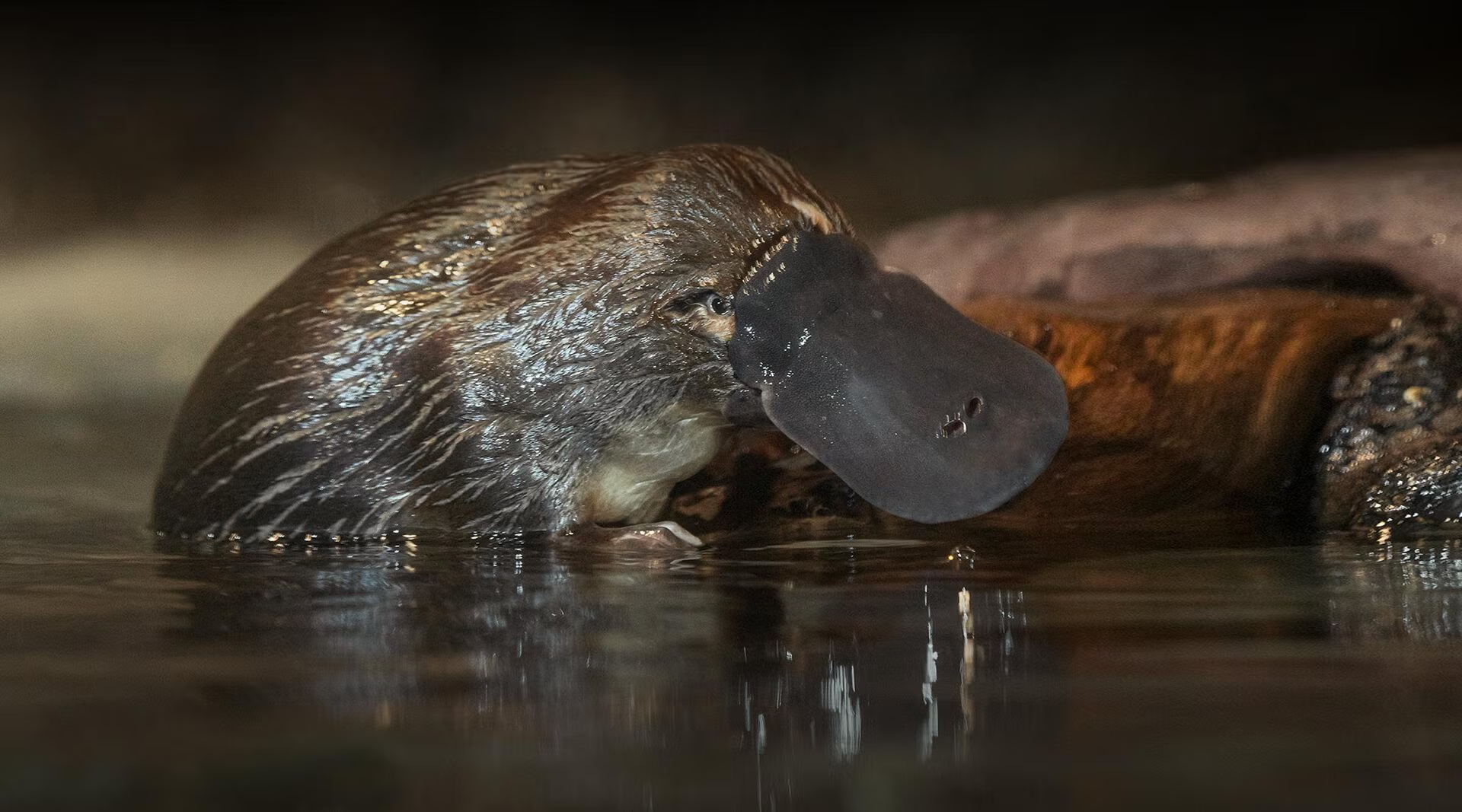
The platypus is a unique mammal known for its distinctive appearance, featuring a duck-bill, webbed feet, and a flat tail. It is one of the few monotremes, meaning it lays eggs instead of giving live birth. Platypuses are semi-aquatic and are primarily found in freshwater environments, where they exhibit fascinating foraging behaviors, using electroreception to locate prey underwater.
FUN FACTS
- The platypus is one of the only mammals that produces venom, which is delivered through spurs on the male's hind legs
- This venom can cause severe pain and swelling in humans, showcasing the platypus's unique adaptations in the animal kingdom
- | Interestingly, the platypus is one of the few mammals that lay eggs instead of giving birth to live young, making it a fascinating subject of study in evolutionary biology
- The eggs are incubated in a burrow, and the mother nurses the young with milk secreted from mammary glands
QUICK INFO
Lifespan10-17 years in the wild, up to 20 years in captivi
Average Weight1.5-2.4 kg
Average Length43-50 cm
Diet TypeInsectivore
Social Structuresolitary, typically only come together for breeding
Activity PatternCrepuscular
Breeding SeasonSpring (August-October)
- Habitat
- Platypuses inhabit freshwater rivers, streams, and lakes, often in areas with dense vegetation. They require clean water and suitable burrowing sites for nesting.
- Biomes
- Freshwater, Temperate Forest
- Native Range
- The platypus is native to eastern Australia, including Tasmania.
- Continent
- Australia
- Countries
- Australia, Tasmania
- Diet
- Platypuses primarily feed on aquatic invertebrates, such as insects, crustaceans, and worms. They hunt by foraging in the mud at the bottom of rivers and streams.
- Diet Type
- Insectivore
- Favorite Food
- insects, crustaceans, worms
- Social Structure
- solitary, typically only come together for breeding
- Activity Pattern
- Crepuscular
- Group Size
- 1
- Territorial
- 0
 LC
LC
 LC
LC
1.5-2.4 kg
Weight
43-50 cm
Length
- Coloration
- The platypus has a brown, waterproof fur coat that helps it stay warm in cold water.
- Sexual Dimorphism
- Males have venomous spurs on their hind legs, while females do not.
- Lifespan
- 10-17 years in the wild, up to 20 years in captivi
- Gestation Period
- 10 days
- Offspring per Birth
- 1-3
- Sexual Maturity
- 2 years
- Breeding Season
- Spring (August-October)
LC
Least Concern
IUCN Red List Status
- Population Status
- The platypus population is currently stable, but habitat destruction poses a risk.
- Wild Population Estimate
- 100,000+
- Population Trend
- Stable
- Endangered
- 0
- Threats
- Main threats include habitat loss due to urban development and pollution of waterways. Climate change also poses a potential risk to their freshwater habitats.
- Predators
- Eagles, snakes, and large fish are known predators of the platypus.
- Defense Mechanisms
- Platypuses can use their venomous spurs to defend themselves against predators.
- Found in Zoos
- Uncommon