


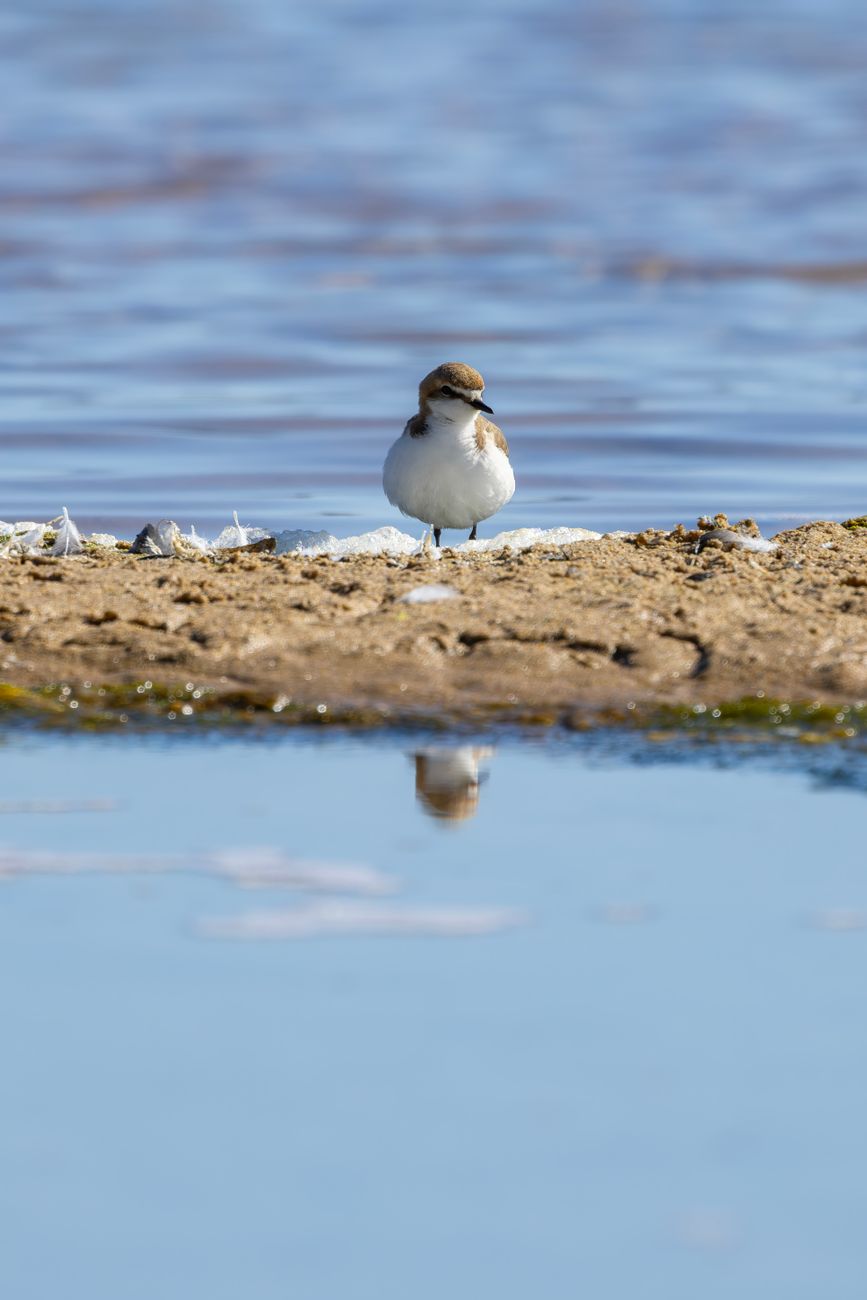
PLOVER
DESCRIPTION
Plover is commonly known as the Kildeer and Dotterel. These birds are characterized by their short, stocky bodies, long legs, and distinctive round heads. They often have a striking pattern of black, white, and brown plumage, which helps them blend into their surroundings, making them effective at avoiding predators.
FUN FACTS
- Plovers are known for their unique nesting behavior, where they create shallow scrapes in the ground to lay their eggs, often camouflaging them with surrounding materials
- | The Kildeer, a type of plover, is famous for its loud, distinctive call that can be heard from a distance, often described as sounding like 'kildee'
QUICK INFO
Lifespan3-5 years in the wild, up to 10 years in captivity
Average Weight150-300 g
Average Length20-30 cm
Diet TypeOmnivore
Social StructurePlovers can be solitary or found in small groups, especially during migration or in feeding areas.
Activity PatternDiurnal
Breeding SeasonSpring to early summer
- Habitat
- Plovers are typically found in open areas such as beaches, mudflats, and grasslands. They prefer habitats with loose soil or sand where they can easily find food.
- Biomes
- Coastal, Grassland, Wetland
- Native Range
- Plovers are found across various regions, including North America, Europe, Asia, and parts of Africa.
- Continent
- North America, Europe, Asia, Africa
- Countries
- United States, Canada, United Kingdom, Australia, India
- Diet
- Plovers primarily feed on insects, crustaceans, and small invertebrates found in their habitat. They forage by running and stopping to peck at the ground.
- Diet Type
- Omnivore
- Favorite Food
- insects, small invertebrates
- Social Structure
- Plovers can be solitary or found in small groups, especially during migration or in feeding areas.
- Activity Pattern
- Diurnal
- Group Size
- 2-10
- Territorial
- 1

 LC
LC
 VU
VU
 LC
LC
150-300 g
Weight
20-30 cm
Length
- Coloration
- Typically brown and white with black markings on the head and neck.
- Sexual Dimorphism
- Males and females are similar in appearance, but males may have slightly brighter plumage during the breeding season.
- Lifespan
- 3-5 years in the wild, up to 10 years in captivity
- Offspring per Birth
- 3-4
- Sexual Maturity
- 1-2 years
- Breeding Season
- Spring to early summer
LC
Least Concern
IUCN Red List Status
- Population Status
- Some species of plovers are common, while others are experiencing population declines due to habitat loss.
- Wild Population Estimate
- 100,000-1,000,000
- Population Trend
- Decreasing
- Endangered
- 0
- Threats
- Main threats include habitat destruction due to urban development and agriculture, as well as predation by domestic animals. Climate change also poses a risk to their breeding habitats.
- Predators
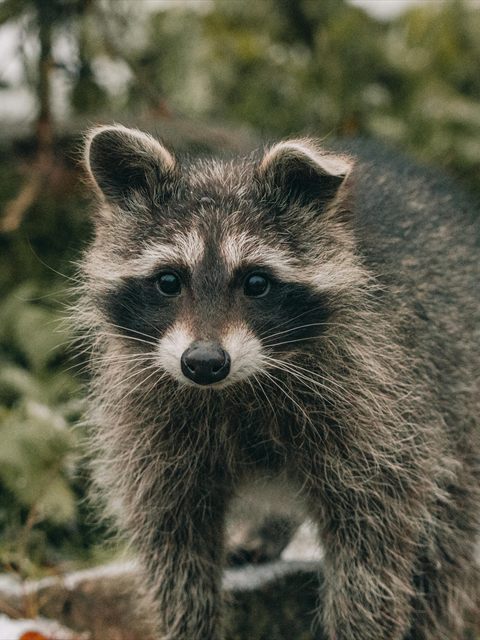
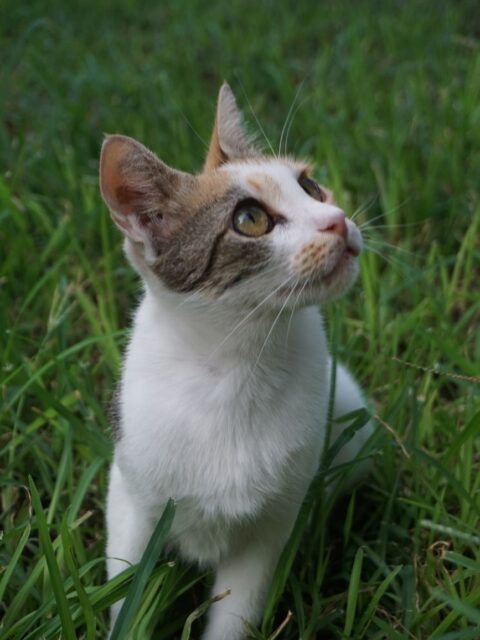
- Foxes, raccoons, birds of prey, and domestic cats.
- Defense Mechanisms
- Plovers use distraction displays to lead predators away from their nests, often feigning injury to draw attention away.
- Found in Zoos
- Uncommon