


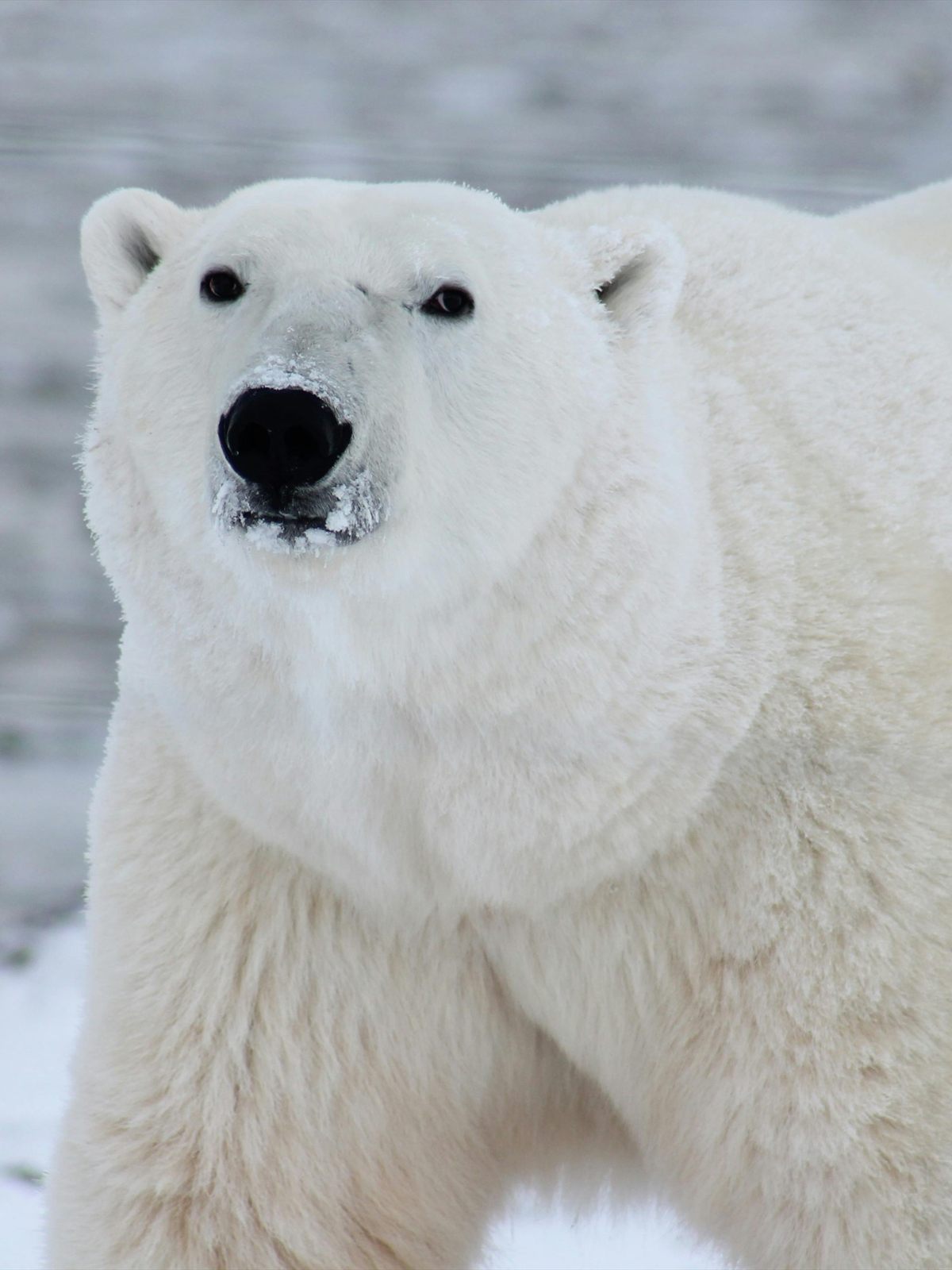
POLAR BEAR
Ursus maritimus
DESCRIPTION
The polar bear (Ursus maritimus) is a large carnivorous bear species native to the Arctic region. It is well adapted to life on sea ice and is known for its thick white fur and layer of fat that insulates it from the cold.
FUN FACTS
- Polar bears can swim for days without stopping | Their fur is not actually white but transparent and reflects light | They have a keen sense of smell and can detect seals nearly a mile away
QUICK INFO
Lifespan20-25 years in the wild, up to 30 in captivity
Average Weight350-700 kg
Average Length2.4-3 m
Diet TypeCarnivore
Social Structuresolitary, primarily live alone except for mothers with cubs
Activity PatternDiurnal
Breeding SeasonSpring (March-May)
- Habitat
- Polar bears inhabit the circumpolar Arctic, primarily on sea ice, where they hunt for seals. They also use coastal areas and ice-covered waters for breeding and resting.
- Biomes
- Tundra, Polar
- Native Range
- The Arctic regions of the Northern Hemisphere, including parts of Canada, Alaska, Russia, Greenland, and Norway.
- Continent
- North America, Europe, Asia
- Countries
- Canada, United States, Russia, Greenland, Norway
- Diet
- Polar bears primarily feed on seals, particularly ringed and bearded seals. They are opportunistic hunters and will also scavenge on carcasses when necessary.
- Diet Type
- Carnivore
- Favorite Food
- seals
- Social Structure
- solitary, primarily live alone except for mothers with cubs
- Activity Pattern
- Diurnal
- Group Size
- 1-2
- Territorial
- 0
350-700 kg
Weight
2.4-3 m
Length
1.3 m at shoulder
Height (Shoulder)
- Coloration
- white to yellowish fur, with a black skin underneath
- Sexual Dimorphism
- males are larger than females
- Lifespan
- 20-25 years in the wild, up to 30 in captivity
- Gestation Period
- 195-265 days
- Offspring per Birth
- 1-3
- Sexual Maturity
- 4-5 years
- Breeding Season
- Spring (March-May)
VU
Vulnerable
IUCN Red List Status
- Population Status
- The polar bear population is currently estimated to be declining due to climate change and habitat loss.
- Wild Population Estimate
- 22,000-31,000
- Population Trend
- Decreasing
- Endangered
- 1
- Threats
- The main threats to polar bears include climate change, which is causing sea ice loss, and oil and gas exploration in their habitat. Additionally, pollution and human encroachment pose risks to their survival.
- Conservation Program
- Polar Bear Conservation Plan, various international agreements
- Defense Mechanisms
- Polar bears rely on their size, strength, and camouflage to avoid threats.
- Found in Zoos
- Common