


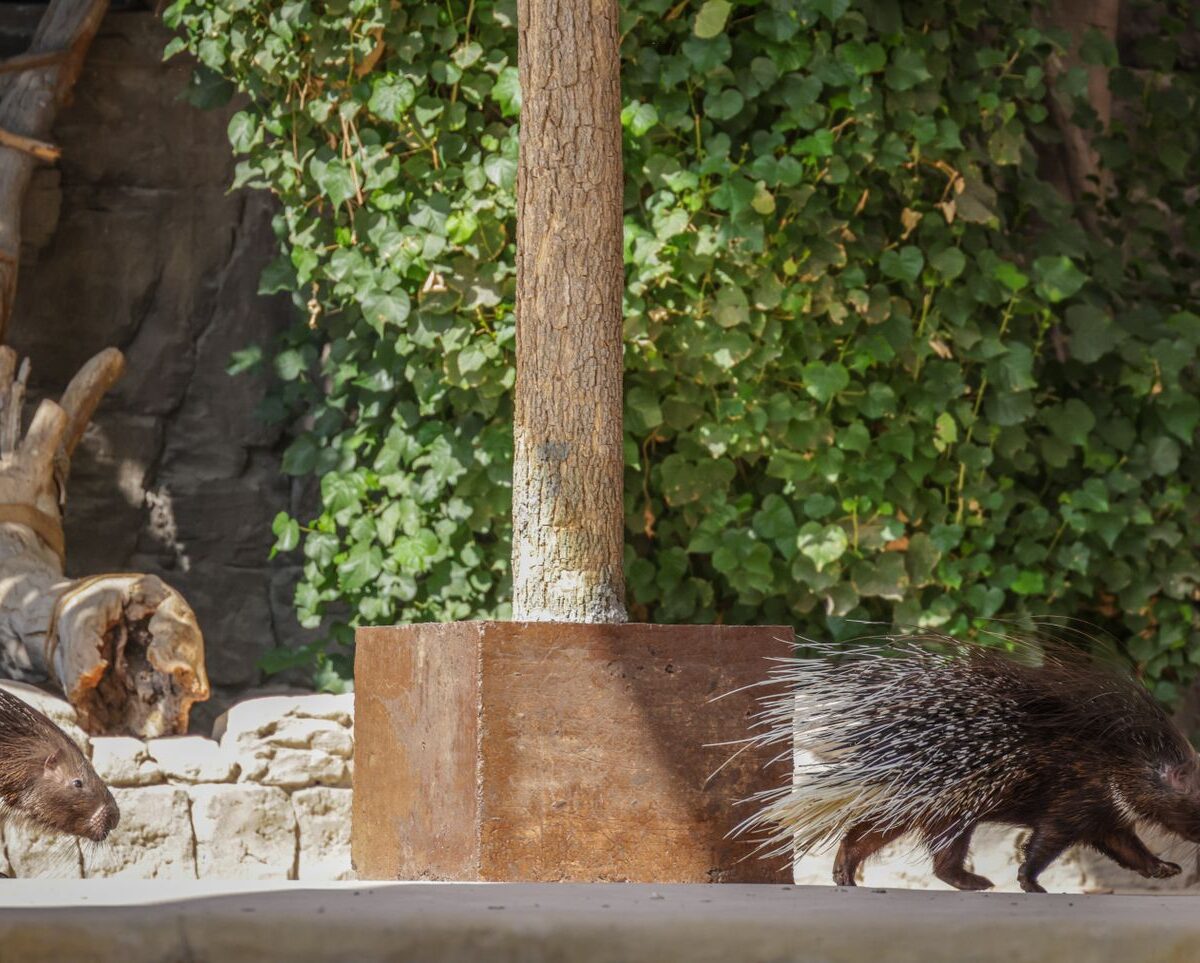
PORCUPINE
DESCRIPTION
Also called the North American Porcupine, this species is a large rodent known for its coat of sharp quills that serve as a defense mechanism against predators. Porcupines are primarily nocturnal and are often seen climbing trees, where they feed on leaves, bark, and fruits. They have a stocky body, short legs, and a distinctive quilled tail, which they can raise to deter threats.
FUN FACTS
- Porcupines are known for their unique defense mechanism: when threatened, they can raise their quills and even charge backward into predators, embedding quills into their attackers
- Additionally, porcupines have a special relationship with certain trees, as they help in the growth of trees by feeding on their bark, which can stimulate new growth.| Porcupines are excellent climbers and often spend time in trees, where they can find food and avoid ground predators
- Their quills are not poisonous, but they can cause significant injury if they penetrate the skin of an attacker
QUICK INFO
Lifespan7-10 years in the wild, up to 15 years in captivit
Average Weight5-27 kg
Average Length60-90 cm
Diet TypeHerbivore
Social StructureSolitary, with occasional pairings during breeding.
Activity PatternNocturnal
Breeding SeasonFall (September-November)
- Habitat
- Porcupines inhabit a variety of environments, including forests, woodlands, and shrublands. They are often found in areas with abundant trees, which provide both food and shelter.
- Biomes
- Temperate Forest, Boreal Forest
- Native Range
- Native to North America, ranging from Canada to northern Mexico.
- Continent
- North America
- Countries
- United States, Canada, Mexico
- Diet
- Porcupines are herbivores, primarily feeding on the bark of trees, leaves, and various fruits. They have a particular fondness for the inner bark of coniferous trees.
- Diet Type
- Herbivore
- Favorite Food
- Inner bark, leaves, fruits
- Social Structure
- Solitary, with occasional pairings during breeding.
- Activity Pattern
- Nocturnal
- Group Size
- 1-2
- Territorial
- 0

 LC
LC
LC
LC
5-27 kg
Weight
60-90 cm
Length
- Coloration
- Typically brown or black with lighter-colored quills.
- Sexual Dimorphism
- Males are generally larger than females.
- Lifespan
- 7-10 years in the wild, up to 15 years in captivit
- Gestation Period
- 210 days
- Offspring per Birth
- 1
- Sexual Maturity
- 15-18 months
- Breeding Season
- Fall (September-November)
LC
Least Concern
IUCN Red List Status
- Population Status
- The population is currently stable in many areas, although habitat loss poses a threat in some regions.
- Wild Population Estimate
- Unknown, but considered stable in many habitats.
- Population Trend
- Stable
- Endangered
- 0
- Threats
- Main threats include habitat destruction and vehicle collisions. In some areas, they are also hunted for their quills and meat.
- Predators
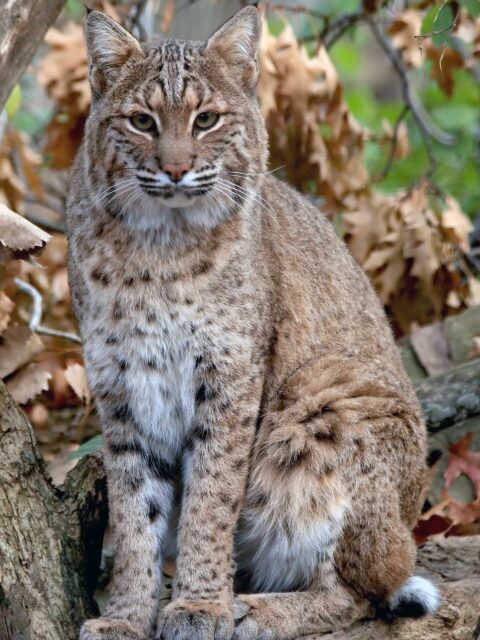
- Coyotes, bobcats, mountain lions, and great horned owls are known to prey on porcupines, although their quills provide significant protection.
- Defense Mechanisms
- Porcupines have a coat of sharp quills that they can raise when threatened, making them difficult for predators to attack.
- Found in Zoos
- Common