



POULTRY
DESCRIPTION
Poultry refers to domesticated birds that are raised for their eggs, meat, and feathers. Common examples include chickens, ducks, turkeys, and geese, which exhibit a variety of colors and sizes. These birds are social creatures, often found in flocks, and they play significant roles in agriculture and human culture.
FUN FACTS
- Chickens are known to have a complex social structure and can recognize over 100 different faces, both human and animal
- They also have a unique way of communicating, with over 30 different vocalizations that convey various messages
- | Ducks have waterproof feathers due to a special oil they produce, allowing them to stay dry while swimming
- They are also known for their distinctive quacking sounds, which can vary significantly between species, and they often form strong pair bonds during mating season
QUICK INFO
Lifespan5-10 years in captivity, varies by species
Average Weight1.5-4 kg
Average Length0.5-1 m
Diet TypeOmnivore
Social Structuregroup — they often live in flocks with a pecking order.
Activity PatternDiurnal
Breeding SeasonSpring (March-May)
- Habitat
- Poultry are typically found in domesticated environments such as farms and backyards. They require shelter for protection from predators and weather, along with access to open spaces for foraging.
- Biomes
- Agricultural, Temperate Forest
- Native Range
- Originally from various regions around the world, poultry species have been domesticated and are now found globally.
- Continent
- Asia, Europe, North America, Africa
- Countries
- United States, China, India, Brazil
- Diet
- Poultry are generally omnivorous, consuming a varied diet that includes grains, seeds, insects, and plants. Their diet can be supplemented with commercial feed to ensure they receive all necessary nutrients.
- Diet Type
- Omnivore
- Favorite Food
- grains, seeds, insects
- Social Structure
- group — they often live in flocks with a pecking order.
- Activity Pattern
- Diurnal
- Group Size
- 5-50
- Territorial
- 0

 LC
CR
LC
CR
 LC
LC
LC
LC
1.5-4 kg
Weight
0.5-1 m
Length
- Coloration
- varies widely, including white, brown, black, and speckled patterns
- Sexual Dimorphism
- males often have brighter plumage and larger sizes than females
- Lifespan
- 5-10 years in captivity, varies by species
- Offspring per Birth
- 5-12 eggs per clutch
- Sexual Maturity
- 5-6 months
- Breeding Season
- Spring (March-May)
LC
Least Concern
IUCN Red List Status
- Population Status
- Poultry populations are generally stable due to their domestication and agricultural importance.
- Population Trend
- Stable
- Endangered
- 0
- Threats
- Main threats include habitat loss and disease outbreaks, which can significantly impact poultry health and populations. Additionally, intensive farming practices can lead to welfare concerns.
- Predators
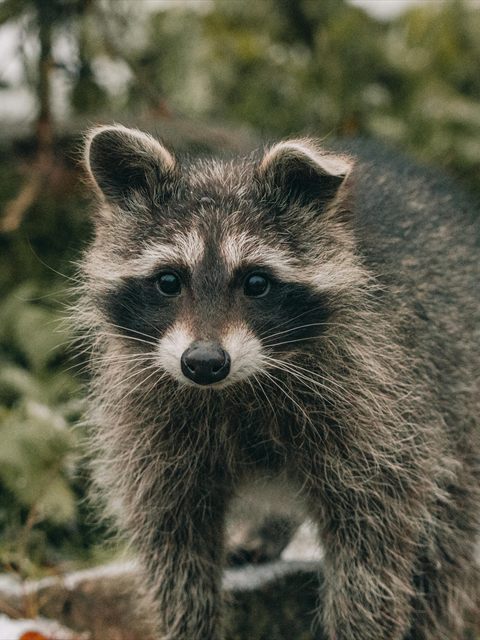
- foxes, raccoons, hawks, snakes, domestic dogs
- Defense Mechanisms
- Poultry often rely on flocking behavior for safety, using alarm calls to warn of predators and seeking shelter.
- Compatible Animals
- goats, sheep, rabbits, ducks
- Found in Zoos
- Uncommon