


PRAIRIE DOG
Cynomys ludovicianus
DESCRIPTION
Prairie dogs are small, burrowing rodents native to the grasslands of North America. They are known for their complex social structures and extensive underground burrow systems.
FUN FACTS
- Prairie dogs can communicate with each other using a complex system of vocalizations | They are considered a keystone species, as their burrowing activities benefit many other animals | Prairie dogs can dig burrows that extend up to 3 meters deep
QUICK INFO
Lifespan3-5 years in the wild, up to 8 years in captivity
Average Weight0.7-1.5 kg
Average Length30-40 cm
Diet TypeHerbivore
Social Structuregroup — they live in large colonies with complex social interactions.
Activity PatternDiurnal
Breeding SeasonSpring (March-April)
- Habitat
- Prairie dogs inhabit open grasslands and plains, where they create extensive burrow systems. These habitats provide them with food and protection from predators.
- Biomes
- Grassland, Savanna
- Native Range
- Prairie dogs are native to the central United States, particularly in the Great Plains region.
- Continent
- North America
- Countries
- United States, Canada, Mexico
- Diet
- Prairie dogs primarily eat grasses, seeds, and roots. They are herbivores and play a significant role in their ecosystem by maintaining the health of grasslands.
- Diet Type
- Herbivore
- Favorite Food
- grasses, seeds
- Social Structure
- group — they live in large colonies with complex social interactions.
- Activity Pattern
- Diurnal
- Group Size
- 10-40
- Territorial
- 1

 LC
CR
LC
CR
 LC
LC
0.7-1.5 kg
Weight
30-40 cm
Length
- Coloration
- light brown to yellowish with a slightly darker face and feet
- Lifespan
- 3-5 years in the wild, up to 8 years in captivity
- Gestation Period
- 30-35 days
- Offspring per Birth
- 3-5
- Sexual Maturity
- 1-2 years
- Breeding Season
- Spring (March-April)
LC
Least Concern
IUCN Red List Status
- Population Status
- Prairie dog populations have fluctuated due to habitat loss and disease, but they are still found in significant numbers in some areas.
- Wild Population Estimate
- approximately 10 million
- Population Trend
- Decreasing
- Endangered
- 0
- Threats
- Main threats include habitat destruction, disease, and extermination efforts due to conflicts with agriculture.
- Predators
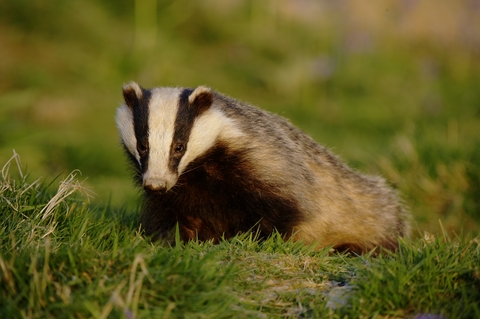
- coyotes, badgers, hawks, and eagles
- Defense Mechanisms
- They use alarm calls to warn others of predators and can quickly retreat into their burrows.
- Found in Zoos
- Uncommon