


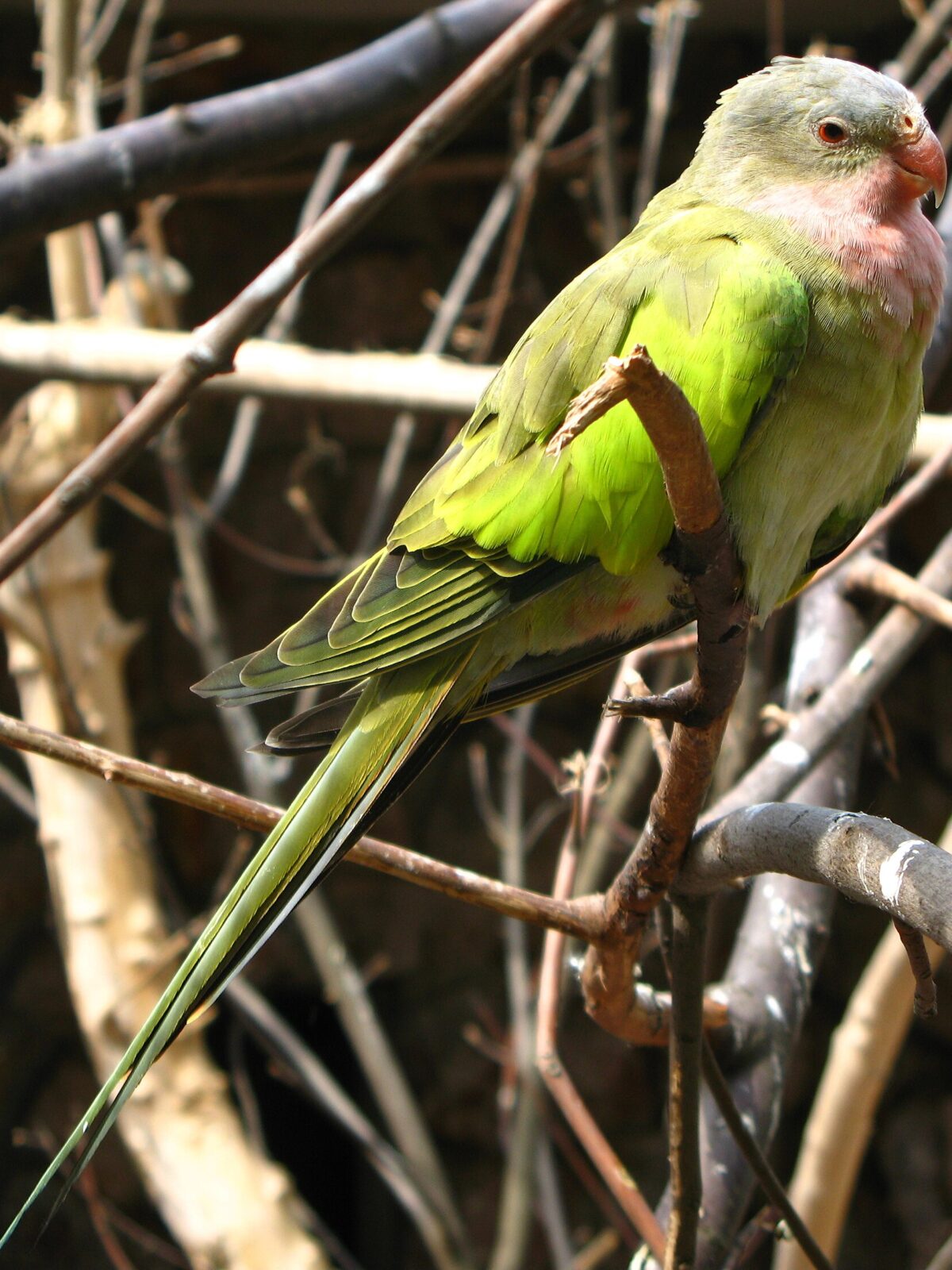
PRINCESS PARROT
Polytelis alexandrae
DESCRIPTION
Princess Parrot (Polytelis alexandrae) is also known as Alexandra's Parrot, a strikingly beautiful bird native to Australia. It features a vibrant green body with a distinctive blue and pink coloration on its wings and face, making it easily recognizable. This species is known for its playful and social behavior, often seen in pairs or small groups, and inhabits arid and semi-arid regions, where it forages for food.
FUN FACTS
- Princess Parrots are known for their exceptional vocal abilities, often mimicking sounds and phrases they hear in their environment
- They are also highly social birds, forming strong bonds with their mates and engaging in playful interactions with each other.| These parrots are often kept as pets due to their striking appearance and friendly nature, but they require ample space and social interaction to thrive
- In the wild, they are known to travel long distances in search of food, showcasing their adaptability to different environments
QUICK INFO
Lifespan15-20 years in the wild, up to 30 in captivity
Average Weight100-150 g
Average Length30-35 cm
Diet TypeHerbivore
Social StructureThey are typically found in pairs or small groups, showcasing a social structure that allows for interaction and bonding.
Activity PatternDiurnal
Breeding SeasonSpring (September-November)
- Habitat
- Princess Parrots inhabit open woodlands, scrublands, and grasslands, often near water sources. They prefer areas with scattered trees and shrubs that provide both food and nesting sites.
- Biomes
- Savanna, Grassland
- Native Range
- The native range of the Princess Parrot is primarily in central and western Australia.
- Continent
- Australia
- Countries
- Australia
- Diet
- Princess Parrots primarily feed on seeds, fruits, and flowers, showing a preference for grass seeds. They are known to forage on the ground and in trees, utilizing their strong beaks to crack open hard seeds.
- Diet Type
- Herbivore
- Favorite Food
- grass seeds, fruits, flowers
- Social Structure
- They are typically found in pairs or small groups, showcasing a social structure that allows for interaction and bonding.
- Activity Pattern
- Diurnal
- Group Size
- 2-10
- Territorial
- 0
 CR
CR
100-150 g
Weight
30-35 cm
Length
- Coloration
- Vibrant green body with blue and pink accents on wings and face.
- Sexual Dimorphism
- Males and females are similar in appearance, but males tend to have brighter coloration.
- Lifespan
- 15-20 years in the wild, up to 30 in captivity
- Offspring per Birth
- 3-5
- Sexual Maturity
- 1-2 years
- Breeding Season
- Spring (September-November)
LC
Least Concern
IUCN Red List Status
- Population Status
- The population of Princess Parrots is currently stable, but they are affected by habitat loss.
- Wild Population Estimate
- 10,000-20,000
- Population Trend
- Stable
- Endangered
- 0
- Threats
- Main threats include habitat destruction due to agriculture and urban development. Additionally, they face competition for food and nesting sites from invasive species.
- Predators
- Natural predators include birds of prey such as eagles and hawks, as well as snakes.
- Defense Mechanisms
- They rely on their ability to fly quickly and maneuver through trees to evade predators.
- Compatible Animals
- other parrot species, finches
- Found in Zoos
- Uncommon