


PRONGHORN
Antilocapra americana
DESCRIPTION
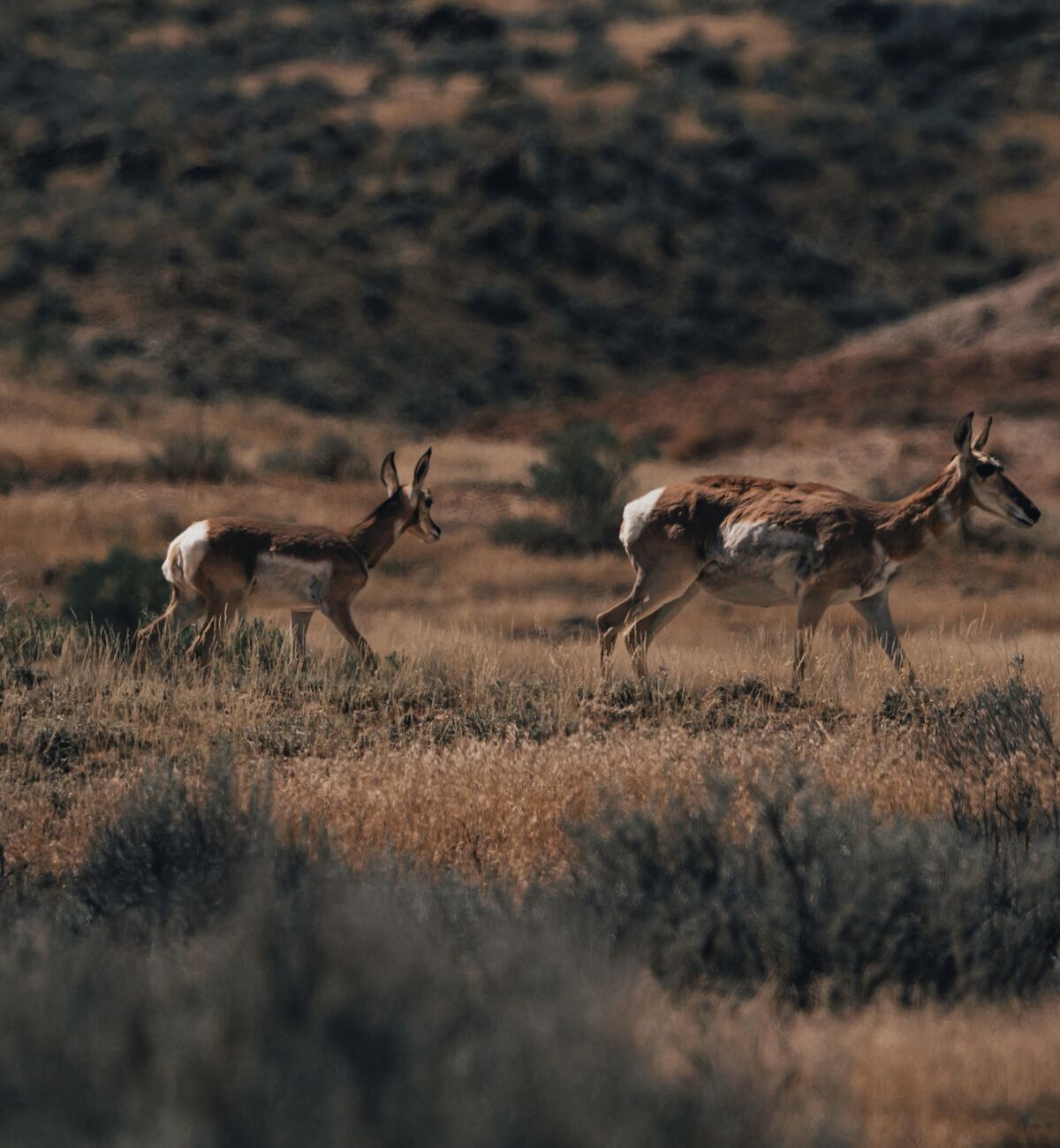
Pronghorn (Antilocapra americana) is commonly known as the American antelope, although it is not a true antelope. This species is characterized by its unique horns, which are shed and regrown annually, and its remarkable speed, making it one of the fastest land mammals in North America. Pronghorns are social animals, often found in herds, and they inhabit open plains and grasslands, where they can easily spot predators.
FUN FACTS
- Pronghorns are the second fastest land mammals in the world, capable of reaching speeds up to 55 miles per hour
- Unlike true antelopes, Pronghorns are the only surviving members of their family, Antilocapridae, and have unique adaptations that allow them to outrun predators in their open habitats
QUICK INFO
Lifespan10-15 years in the wild, up to 20 years in captivi
Average Weight40-65 kg
Average Length1.2-1.5 m
Diet TypeHerbivore
Social Structuregroup — Pronghorns often form small herds, typically consisting of females and their young, while males may be solitary or form bachelor groups.
Activity PatternDiurnal
Breeding SeasonFall (September-November)
- Habitat
- Pronghorns inhabit open grasslands, sagebrush plains, and desert areas. They prefer habitats that provide ample visibility to detect predators.
- Biomes
- Grassland, Desert
- Native Range
- Pronghorns are native to North America, primarily found in the western United States and parts of Canada and Mexico.
- Continent
- North America
- Countries
- United States, Canada, Mexico
- Diet
- Pronghorns are herbivores that primarily graze on grasses, forbs, and shrubs. They have a diverse diet that allows them to thrive in various habitats.
- Diet Type
- Herbivore
- Favorite Food
- grasses, forbs, shrubs
- Social Structure
- group — Pronghorns often form small herds, typically consisting of females and their young, while males may be solitary or form bachelor groups.
- Activity Pattern
- Diurnal
- Group Size
- 5-30
- Territorial
- 0
 LC
LC
 LC
LC
LC
LC
40-65 kg
Weight
1.2-1.5 m
Length
0.9-1.2 m at shoulder
Height (Shoulder)
- Coloration
- tan to light brown with white markings on the face and belly
- Sexual Dimorphism
- Males are larger and have distinct horns, while females lack horns.
- Lifespan
- 10-15 years in the wild, up to 20 years in captivi
- Gestation Period
- 240 days
- Offspring per Birth
- 1-2
- Sexual Maturity
- 1-2 years
- Breeding Season
- Fall (September-November)
LC
Least Concern
IUCN Red List Status
- Population Status
- The population of Pronghorns is currently stable, with healthy numbers in many areas.
- Wild Population Estimate
- 500,000-1,000,000
- Population Trend
- Stable
- Endangered
- 0
- Threats
- Main threats to Pronghorns include habitat loss due to agriculture and urban development, as well as predation by coyotes and mountain lions. Climate change also poses a potential risk to their habitat.
- Predators
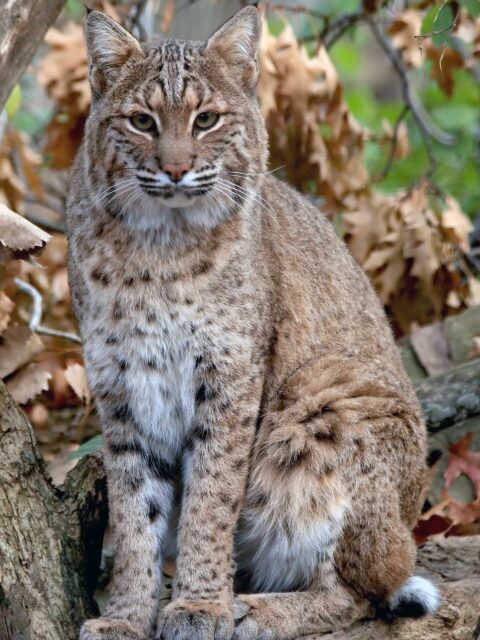
- Coyotes, mountain lions, bobcats, and occasionally wolves.
- Defense Mechanisms
- Pronghorns rely on their speed and keen eyesight to evade predators, often running at high speeds to escape threats.
- Compatible Animals
- none
- Found in Zoos
- Common