


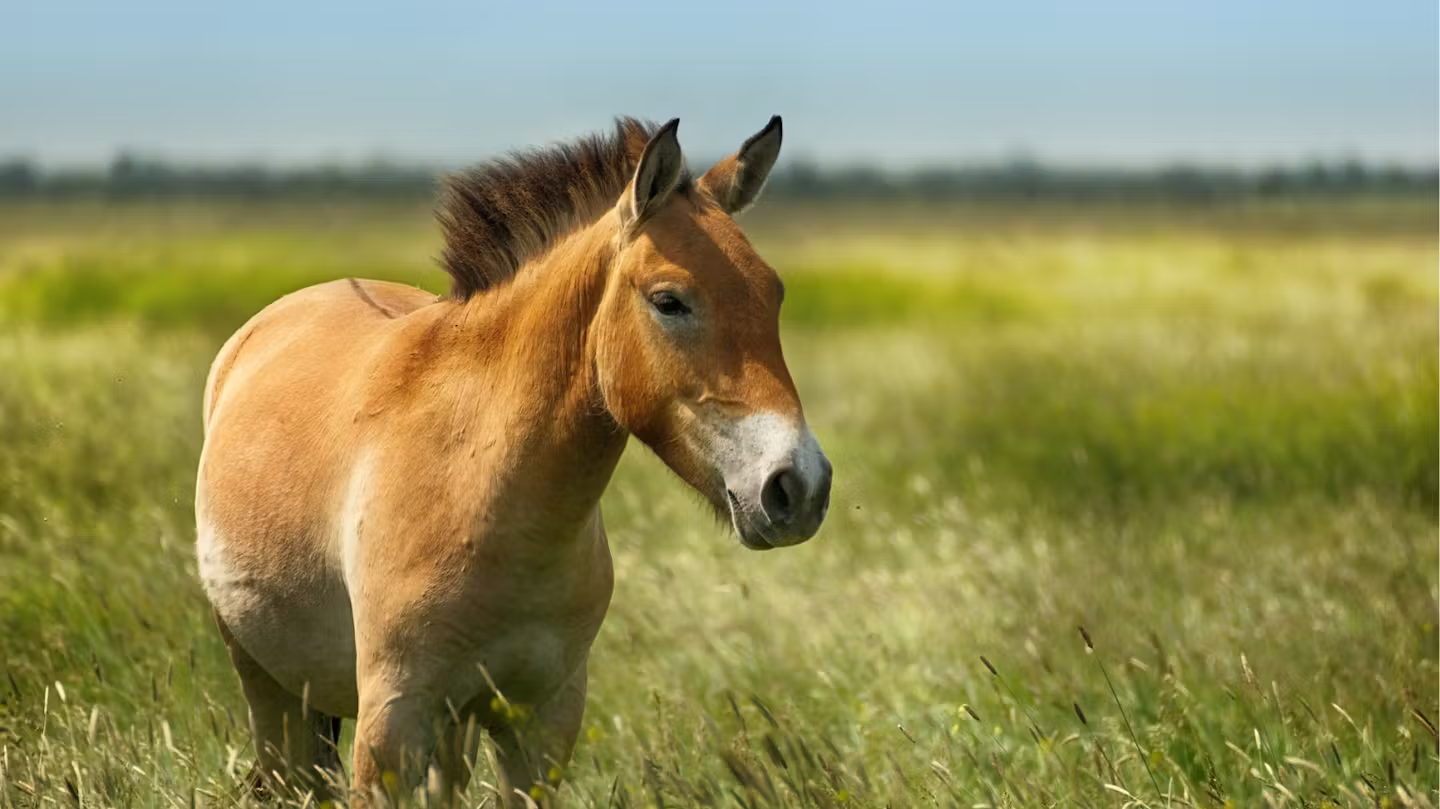
PRZEWALSKI'S HORSE
Equus ferus przewalskii
DESCRIPTION
Przewalski's Horse, also known as the Takhi, is the only true wild horse species that has never been domesticated. It is characterized by its stocky build, short legs, and a distinctive mane that stands erect.
FUN FACTS
- Przewalski's Horse is the last remaining truly wild horse species | They have a unique genetic makeup that distinguishes them from domestic horses | They were declared extinct in the wild in the 1960s but have been successfully reintroduced
QUICK INFO
Lifespan20-25 years in the wild, up to 30 in captivity
Average Weight300-400 kg
Average Length2.0-2.3 m
Diet TypeHerbivore
Social Structuregroup — typically consists of a harem led by a dominant stallion.
Activity PatternDiurnal
Breeding SeasonSpring (April-June)
- Habitat
- This species typically inhabits steppes, grasslands, and semi-desert regions. They require access to water sources and open areas for grazing.
- Biomes
- Grassland, Steppe, Desert
- Native Range
- Historically found in the steppes of Central Asia, particularly in Mongolia.
- Continent
- Asia
- Countries
- Mongolia, China
- Diet
- Przewalski's Horse is a herbivore that primarily grazes on grasses and other vegetation. It has adapted to survive in harsh environments with limited food resources.
- Diet Type
- Herbivore
- Favorite Food
- grasses, shrubs
- Social Structure
- group — typically consists of a harem led by a dominant stallion.
- Activity Pattern
- Diurnal
- Group Size
- 5-20
- Territorial
- 1
 LC
LC
 VU
VU
300-400 kg
Weight
2.0-2.3 m
Length
1.2 m at shoulder
Height (Shoulder)
- Coloration
- Light brown with a darker dorsal stripe and white underbelly.
- Sexual Dimorphism
- Males are generally larger and more robust than females.
- Lifespan
- 20-25 years in the wild, up to 30 in captivity
- Gestation Period
- 11 months
- Offspring per Birth
- 1
- Sexual Maturity
- 3-4 years
- Breeding Season
- Spring (April-June)
CR
Critically Endangered
IUCN Red List Status
- Population Status
- Once extinct in the wild, Przewalski's Horse has been reintroduced and is now recovering, though still considered endangered.
- Wild Population Estimate
- 2,000-3,000
- Population Trend
- Increasing
- Endangered
- 1
- Threats
- Main threats include habitat loss, competition with livestock, and genetic bottlenecks due to small population sizes.
- Conservation Program
- Breeding programs in zoos and reintroduction efforts in Mongolia.
- Predators
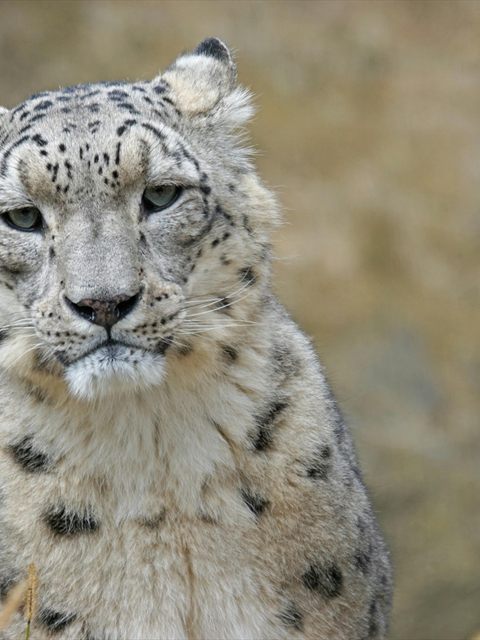
- Wolves, snow leopards
- Defense Mechanisms
- They rely on their speed and agility to escape predators, and they often stay in groups for protection.
- Compatible Animals
- none
- Found in Zoos
- Common