


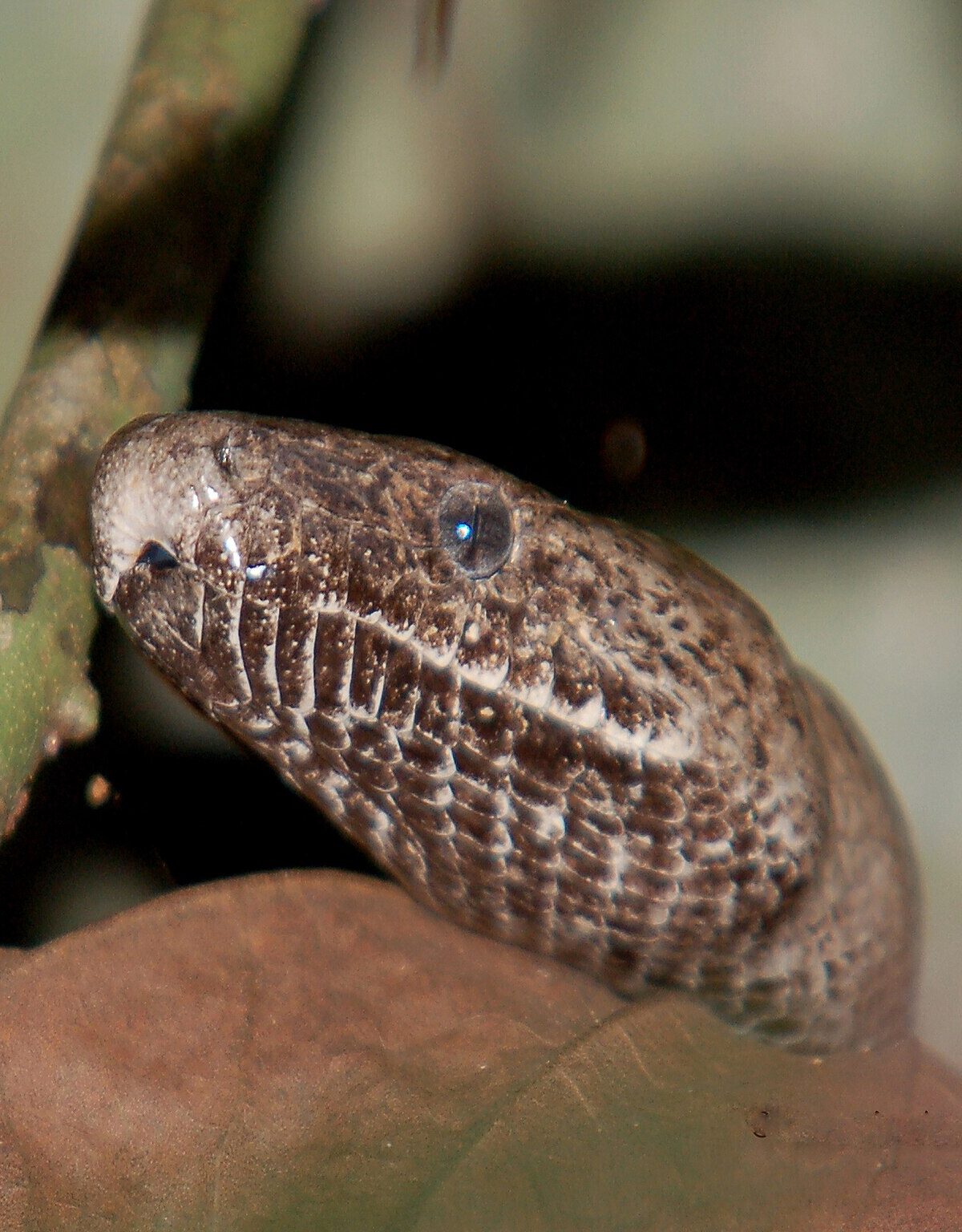
PUERTO RICAN BOA
Epicrates inornatus
DESCRIPTION
Puerto Rican Boa (Epicrates inornatus) is a non-venomous snake native to Puerto Rico, characterized by its robust body and distinctive coloration that ranges from brown to gray with darker blotches. This species is primarily nocturnal, often found in trees or on the ground, showcasing a semi-arboreal lifestyle. Its ecological role includes controlling rodent populations, making it an important species in its native habitat.
FUN FACTS
- Puerto Rican Boas are known for their impressive climbing abilities, often found resting on branches or in trees
- They play a crucial role in their ecosystem by controlling the populations of small mammals and birds, which helps maintain the balance of their habitat.|These snakes are also known for their unique reproductive strategy, as they give birth to live young rather than laying eggs, which is relatively rare among snakes
- This adaptation allows them to thrive in the humid environments of Puerto Rico
QUICK INFO
Lifespan15-20 years in the wild, up to 30 in captivity
Average Weight2-4 kg
Average Length1.5-2.5 m
Diet TypeCarnivore
Social Structuresolitary
Activity PatternNocturnal
Breeding SeasonSpring (March-May)
- Habitat
- This species inhabits a variety of environments, including tropical forests, shrublands, and agricultural areas. They are often found in both lowland and mountainous regions, adapting well to different habitats.
- Biomes
- Tropical Rainforest, Subtropical Forest
- Native Range
- Endemic to Puerto Rico, found throughout the island.
- Continent
- North America
- Countries
- Puerto Rico
- Diet
- Puerto Rican Boas primarily feed on small mammals, birds, and occasionally reptiles. They are constrictors, subduing their prey by wrapping around it and suffocating it before consumption.
- Diet Type
- Carnivore
- Favorite Food
- small mammals, birds
- Social Structure
- solitary
- Activity Pattern
- Nocturnal
- Group Size
- 1
- Territorial
- 0
 VU
VU
2-4 kg
Weight
1.5-2.5 m
Length
- Coloration
- brown to gray with darker blotches
- Sexual Dimorphism
- females are generally larger than males
- Lifespan
- 15-20 years in the wild, up to 30 in captivity
- Offspring per Birth
- 10-30
- Sexual Maturity
- 2-3 years
- Breeding Season
- Spring (March-May)
LC
Least Concern
IUCN Red List Status
- Population Status
- The population is currently stable, but habitat loss poses a potential threat.
- Wild Population Estimate
- unknown
- Population Trend
- Stable
- Endangered
- 0
- Threats
- Main threats include habitat destruction due to urbanization and agriculture, as well as predation by invasive species. Conservation efforts are needed to ensure their habitat remains protected.
- Predators
- birds of prey, feral cats, and other larger snakes
- Defense Mechanisms
- When threatened, Puerto Rican Boas may remain motionless or attempt to escape. They can also hiss loudly to deter potential predators.
- Found in Zoos
- Uncommon