


PUERTO RICAN CRESTED TOAD
Peltophryne lemur
DESCRIPTION
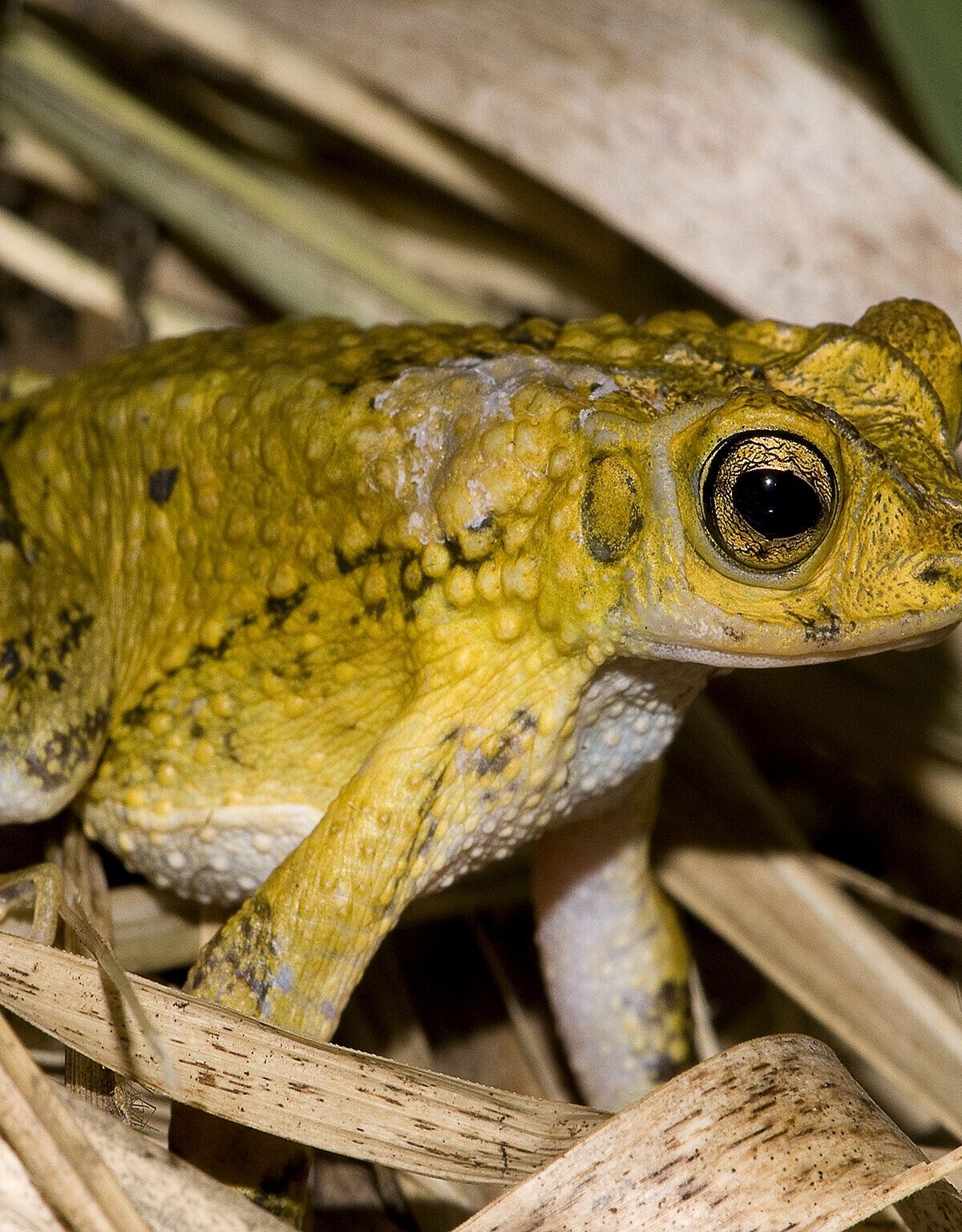
Puerto Rican Crested Toad (Peltophryne lemur) is a distinctive amphibian known for its unique crest along the head and back, which gives it a striking appearance. This toad exhibits a rough, warty skin texture that is typical of many toad species, and its coloration ranges from brown to olive green, often with darker spots. Behaviorally, it is primarily nocturnal, emerging at night to forage and breed, and it plays a crucial role in the ecosystem by controlling insect populations.
FUN FACTS
- The Puerto Rican Crested Toad is the only native toad species in Puerto Rico, making it a unique part of the island's biodiversity
- Conservationists have been working to raise awareness about this species, as it serves as an indicator of environmental health in its native habitat.|These toads are known for their loud mating calls, which can be heard during the breeding season, creating a symphony of sounds that fills the night air in their natural habitat
QUICK INFO
Lifespan5-10 years in the wild
Average Length5-10 cm
Diet TypeInsectivore
Social Structuresolitary, with temporary pairings during breeding
Activity PatternNocturnal
Breeding SeasonSpring to early summer
- Habitat
- This species is typically found in subtropical or tropical dry forests and moist lowland forests. It prefers areas with ample vegetation and access to water bodies for breeding.
- Biomes
- Tropical Rainforest, Subtropical Forest
- Native Range
- The Puerto Rican Crested Toad is endemic to Puerto Rico, primarily inhabiting the western and central regions of the island.
- Continent
- North America
- Countries
- Puerto Rico
- Diet
- The Puerto Rican Crested Toad primarily feeds on insects and other small invertebrates. Its diet helps maintain the balance of the local ecosystem by regulating pest populations.
- Diet Type
- Insectivore
- Favorite Food
- insects, small invertebrates
- Social Structure
- solitary, with temporary pairings during breeding
- Activity Pattern
- Nocturnal
- Group Size
- 1-2
- Territorial
- 0
 VU
VU
 LC
LC

5-10 cm
Length
- Coloration
- brown to olive green with darker spots
- Sexual Dimorphism
- males are generally smaller than females
- Lifespan
- 5-10 years in the wild
- Offspring per Birth
- up to 1,000 eggs
- Sexual Maturity
- 2-3 years
- Breeding Season
- Spring to early summer
CR
Critically Endangered
IUCN Red List Status
- Population Status
- The population of Puerto Rican Crested Toads has significantly declined due to habitat loss and disease.
- Wild Population Estimate
- 1,000-5,000
- Population Trend
- Decreasing
- Endangered
- 1
- Threats
- Main threats include habitat destruction due to urban development and agriculture, as well as the spread of the chytrid fungus, which has devastated amphibian populations worldwide.
- Conservation Program
- Conservation efforts include habitat restoration and captive breeding programs to help increase population numbers.
- Predators
- birds, snakes, small mammals
- Defense Mechanisms
- The toad secretes toxins from its skin as a defense mechanism against predators.
- Found in Zoos
- Uncommon