


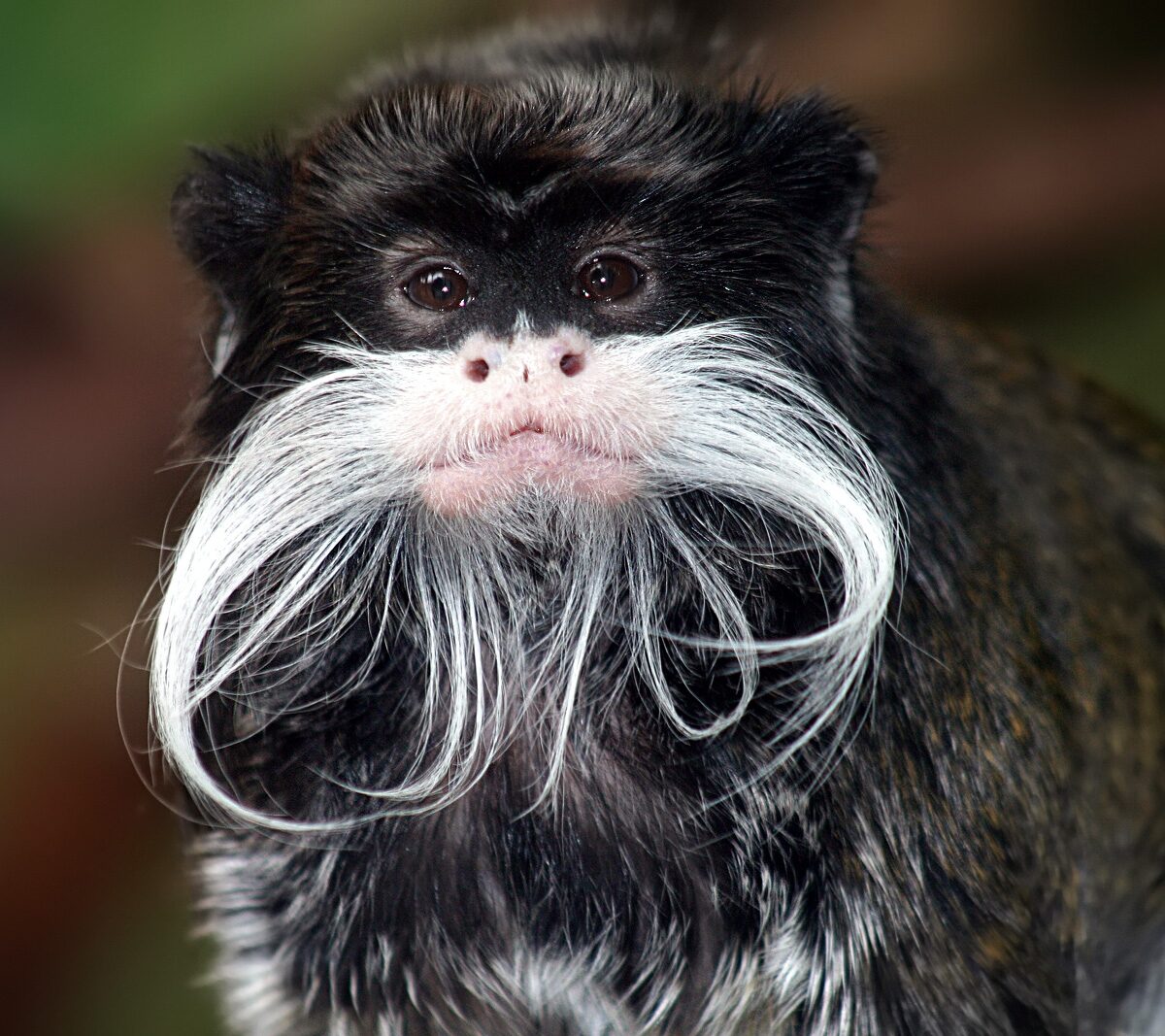
PYGMY TAMARIN
Saguinus pygmaeus
DESCRIPTION
Pygmy Tamarin (Saguinus pygmaeus), also known as the Dwarf Tamarin, is a small primate characterized by its diminutive size and distinctive fur. These tamarins have a soft, dense coat that is typically a mix of brown and black, with a white face and a long, bushy tail. They are highly social animals, often found in small family groups, and are known for their playful behavior and vocalizations, which include a variety of chirps and whistles.
FUN FACTS
- Pygmy Tamarins are one of the smallest primates in the world, weighing only about 100-150 grams
- They have a unique social structure where older siblings often help care for younger ones, showcasing a strong family bond
- | These tamarins are known for their vocal communication, using a variety of sounds to convey messages to each other, which is essential for maintaining group cohesion in their dense forest habitat
QUICK INFO
Lifespan10-15 years in the wild, up to 20 years in captivi
Average Weight100-150 g
Average Length25-30 cm
Diet TypeOmnivore
Social Structuregroup — they typically live in small family groups of 3-8 individuals.
Activity PatternDiurnal
Breeding SeasonYear-round
- Habitat
- These tamarins inhabit tropical rainforests, particularly in areas with dense vegetation. They are arboreal, spending most of their time in the trees.
- Biomes
- Tropical Rainforest
- Native Range
- Pygmy Tamarins are native to the Amazon rainforest, specifically in parts of Brazil and Peru.
- Continent
- South America
- Countries
- Brazil, Peru
- Diet
- Pygmy Tamarins primarily feed on fruits, insects, and small vertebrates. They are known to forage in trees, using their dexterous hands to extract food from crevices.
- Diet Type
- Omnivore
- Favorite Food
- fruits, insects
- Social Structure
- group — they typically live in small family groups of 3-8 individuals.
- Activity Pattern
- Diurnal
- Group Size
- 3-8
- Territorial
- 1
 VU
VU
 LC
LC
100-150 g
Weight
25-30 cm
Length
- Coloration
- brown and black fur with a white face
- Sexual Dimorphism
- males and females are similar in size and appearance
- Lifespan
- 10-15 years in the wild, up to 20 years in captivi
- Gestation Period
- 140 days
- Offspring per Birth
- 1-2
- Sexual Maturity
- 1-2 years
- Breeding Season
- Year-round
LC
Least Concern
IUCN Red List Status
- Population Status
- The population of Pygmy Tamarins is currently stable, but they face habitat loss due to deforestation.
- Wild Population Estimate
- Unknown
- Population Trend
- Stable
- Endangered
- 0
- Threats
- The main threats to Pygmy Tamarins include habitat destruction due to logging and agricultural expansion. Additionally, they are sometimes captured for the pet trade.
- Predators
- Birds of prey, snakes, and larger mammals can pose threats to Pygmy Tamarins.
- Defense Mechanisms
- They use their agility to escape predators and often rely on their social structure to alert each other of danger.
- Found in Zoos
- Uncommon