


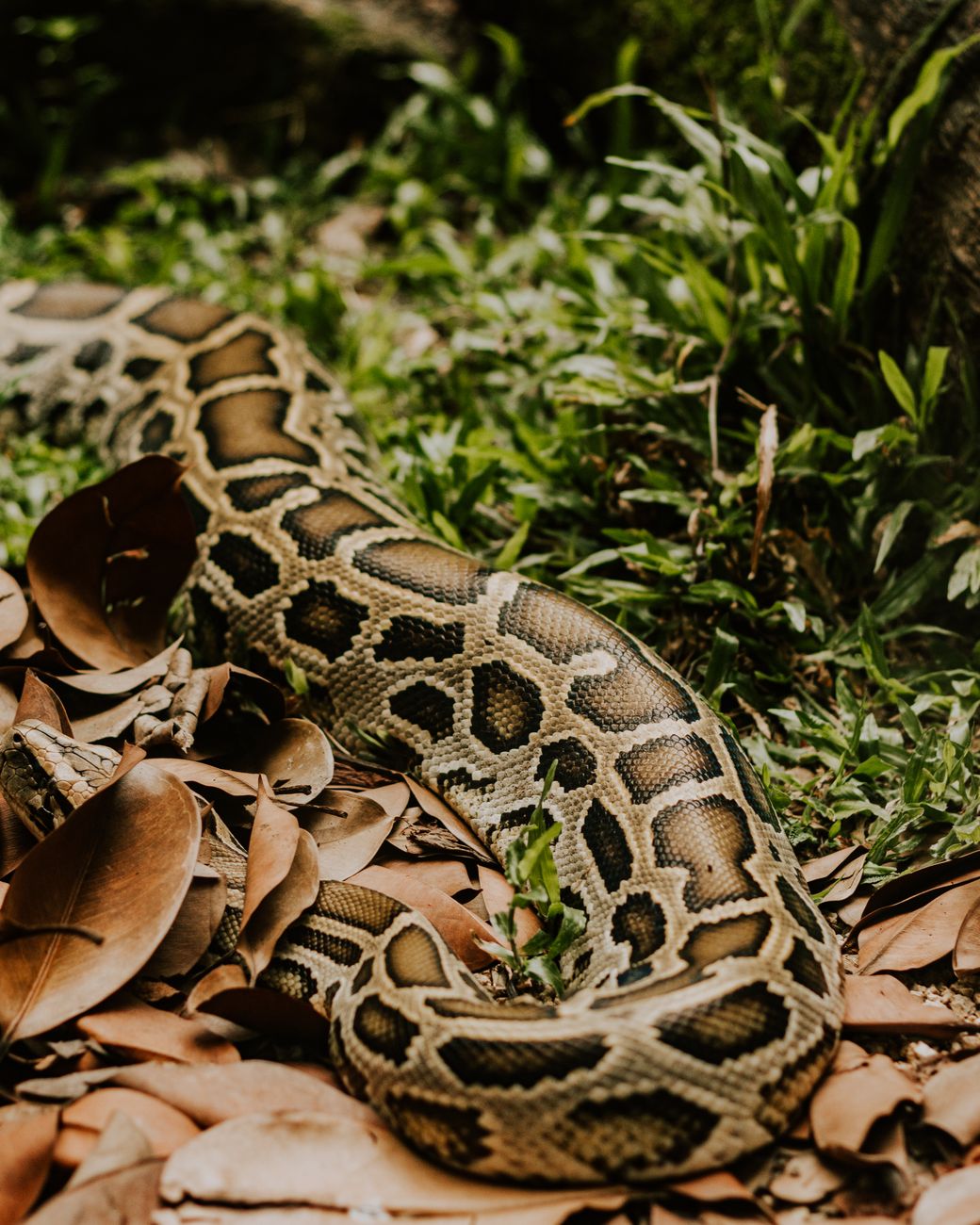
PYTHON
DESCRIPTION
Also called Royal Python and Ball Python, this species is known for its distinctive coloration and patterns, which can vary widely among individuals. Pythons are non-venomous constrictors, using their powerful bodies to subdue prey by wrapping around it and suffocating it. They are primarily nocturnal and are often found in a variety of habitats, showcasing their adaptability in the wild.
FUN FACTS
- Pythons are known for their ability to consume prey much larger than their head due to their highly flexible jaws
- They can go weeks or even months without eating after a large meal, depending on the size of the prey consumed.| The Ball Python is particularly popular in the pet trade due to its manageable size and docile nature
- They come in a variety of morphs, showcasing different colors and patterns, making them highly sought after by reptile enthusiasts
QUICK INFO
Lifespan20-30 years in captivity, 10-15 years in the wild
Average Weight3-7 kg
Average Length1.5-2.5 m
Diet TypeCarnivore
Social Structuresolitary, typically found alone except during mating season
Activity PatternNocturnal
Breeding SeasonSpring (March-May)
- Habitat
- Pythons inhabit a range of environments, including tropical forests, savannas, and grasslands. They often prefer areas with ample cover for ambushing prey.
- Biomes
- Tropical Rainforest, Savanna, Grassland
- Native Range
- Pythons are native to Africa, Asia, and Australia, with different species adapted to various regions.
- Continent
- Africa, Asia, Australia
- Countries
- Nigeria, India, Indonesia, Australia
- Diet
- Pythons primarily eat small to medium-sized mammals and birds. They are ambush predators, relying on stealth to capture their prey.
- Diet Type
- Carnivore
- Favorite Food
- Rodents, birds
- Social Structure
- solitary, typically found alone except during mating season
- Activity Pattern
- Nocturnal
- Group Size
- 1
- Territorial
- 0
 VU
VU
 VU
VU
3-7 kg
Weight
1.5-2.5 m
Length
- Coloration
- Typically features a pattern of dark brown or black with lighter brown or yellow markings.
- Sexual Dimorphism
- Males are generally smaller than females.
- Lifespan
- 20-30 years in captivity, 10-15 years in the wild
- Offspring per Birth
- 6-30
- Sexual Maturity
- 2-3 years
- Breeding Season
- Spring (March-May)
LC
Least Concern
IUCN Red List Status
- Population Status
- Population status varies by species, with some being common and others facing threats.
- Wild Population Estimate
- Unknown
- Population Trend
- Stable
- Endangered
- 0
- Threats
- Habitat loss and poaching for the pet trade are significant threats to some python species. Additionally, climate change may impact their habitats and prey availability.
- Predators
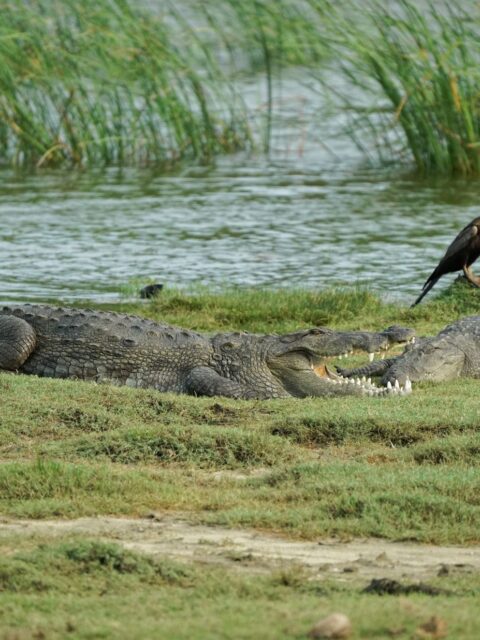
- Large birds of prey, crocodiles, and larger mammals may prey on juvenile pythons.
- Defense Mechanisms
- Pythons can camouflage effectively within their environment, and when threatened, they may hiss or strike.
- Found in Zoos
- Common