


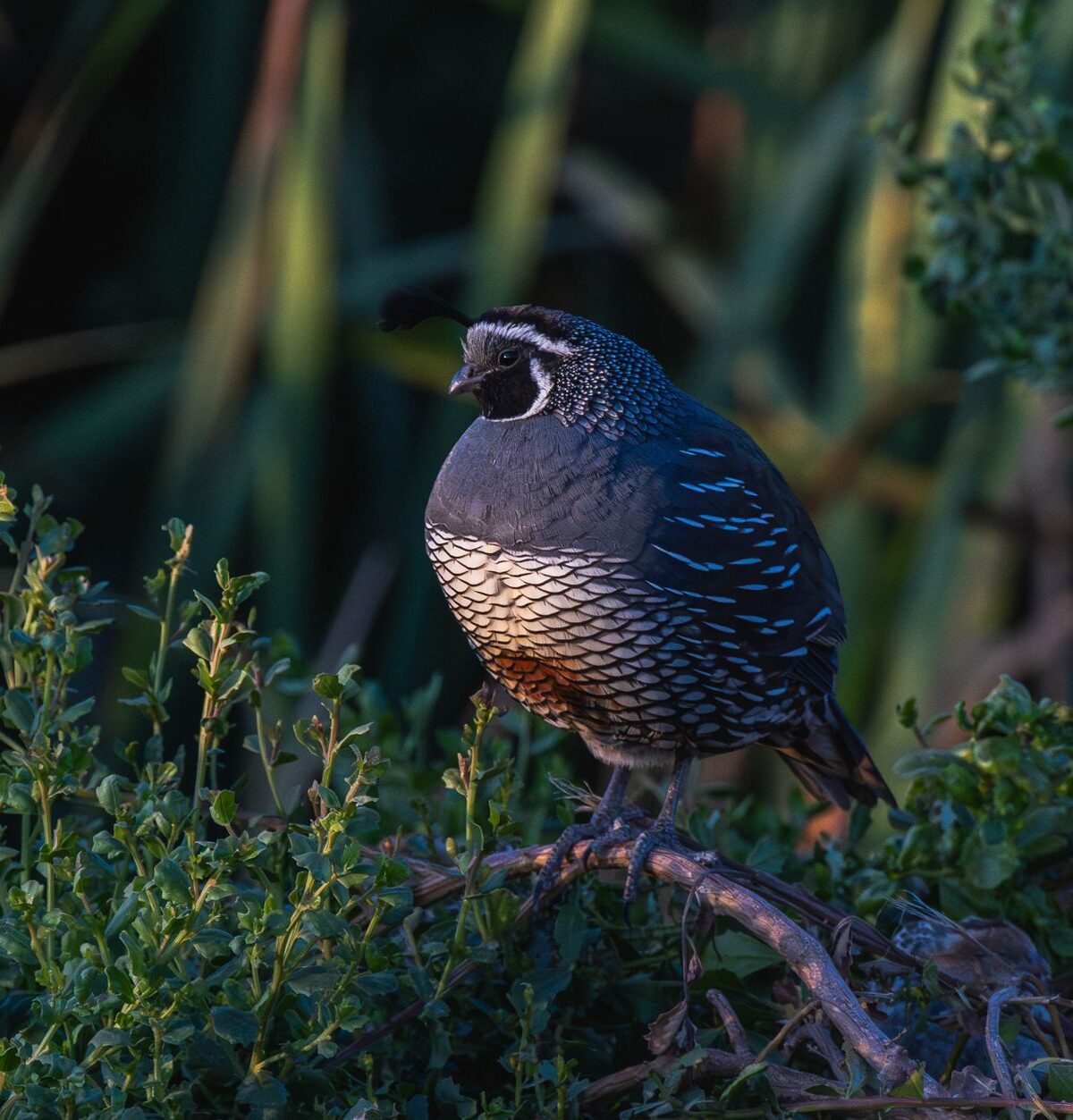
QUAIL
DESCRIPTION
Quail is commonly known as Coturnix and California Quail, among others. These small, plump birds are characterized by their rounded bodies, short tails, and distinctive plumage, which often features intricate patterns and colors that provide excellent camouflage in their natural habitats. Quail are social birds, often found in coveys, and are known for their distinctive calls and behaviors, which include a series of whistles and coos that serve as communication among flock members.
FUN FACTS
- Quail are known for their unique mating rituals, which include elaborate displays and vocalizations by males to attract females
- Interestingly, quail can also recognize individual calls of their flock members, which helps maintain social bonds within their coveys.|In some cultures, quail eggs are considered a delicacy and are often used in gourmet dishes
- These eggs are smaller than chicken eggs and have a speckled appearance, making them visually appealing as well
QUICK INFO
Lifespan2-5 years in the wild, up to 10 years in captivity
Average Weight100-200 g
Average Length20-30 cm
Diet TypeOmnivore
Social StructureQuail typically live in groups, known as coveys, which provide safety in numbers. These groups can vary in size depending on the species and environmental conditions.
Activity PatternDiurnal
Breeding SeasonSpring to early summer
- Habitat
- Quail inhabit a variety of environments, including grasslands, scrublands, and agricultural fields. They prefer areas with dense cover for nesting and protection from predators.
- Biomes
- Grassland, Temperate Forest, Agricultural Land
- Native Range
- Quail are native to various regions across North America, Europe, and Asia, with some species also found in parts of Africa.
- Continent
- North America, Europe, Asia
- Countries
- United States, Canada, Mexico, Japan, Italy
- Diet
- Quail primarily feed on seeds, grains, and various plant materials, but they also consume insects and small invertebrates, especially during the breeding season. Their diet varies based on the availability of food sources in their habitat.
- Diet Type
- Omnivore
- Favorite Food
- seeds, grains, insects
- Social Structure
- Quail typically live in groups, known as coveys, which provide safety in numbers. These groups can vary in size depending on the species and environmental conditions.
- Activity Pattern
- Diurnal
- Group Size
- 5-30
- Territorial
- 0

 LC
CR
LC
CR
 LC
LC
 LC
LC
100-200 g
Weight
20-30 cm
Length
- Coloration
- Quail exhibit a range of colors, often featuring brown, gray, and buff tones with intricate patterns that help them blend into their surroundings.
- Sexual Dimorphism
- Males often have more vibrant coloration and distinctive markings compared to females.
- Lifespan
- 2-5 years in the wild, up to 10 years in captivity
- Offspring per Birth
- 8-12 eggs
- Sexual Maturity
- 6-8 weeks
- Breeding Season
- Spring to early summer
LC
Least Concern
IUCN Red List Status
- Population Status
- Quail populations vary by species and region, with some species experiencing declines due to habitat loss.
- Wild Population Estimate
- 1,000,000+
- Population Trend
- Decreasing
- Endangered
- 0
- Threats
- Main threats to quail include habitat destruction due to agricultural expansion and urban development, as well as predation by domestic animals and natural predators. Climate change also poses a risk to their habitats.
- Predators
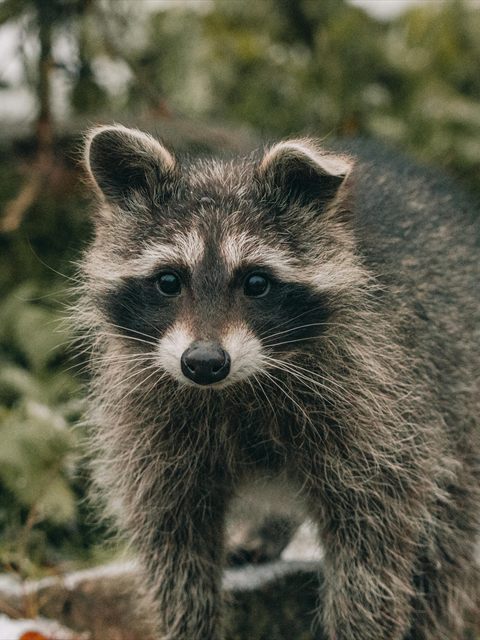
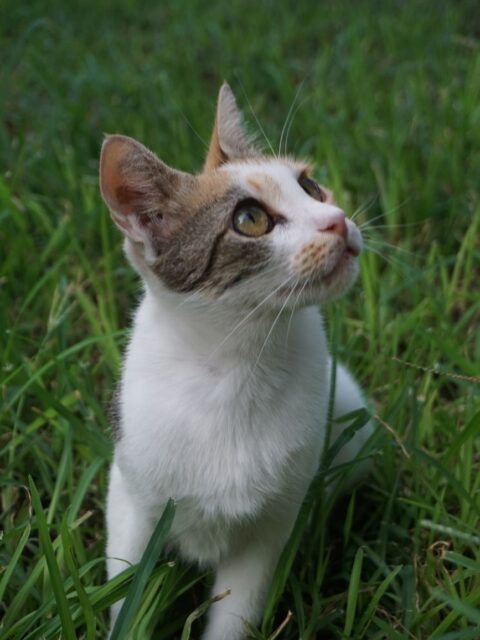
- Foxes, raccoons, hawks, snakes, domestic cats, and dogs.
- Defense Mechanisms
- Quail rely on their camouflage and ability to run quickly to escape predators, often freezing in place to avoid detection.
- Found in Zoos
- Uncommon