


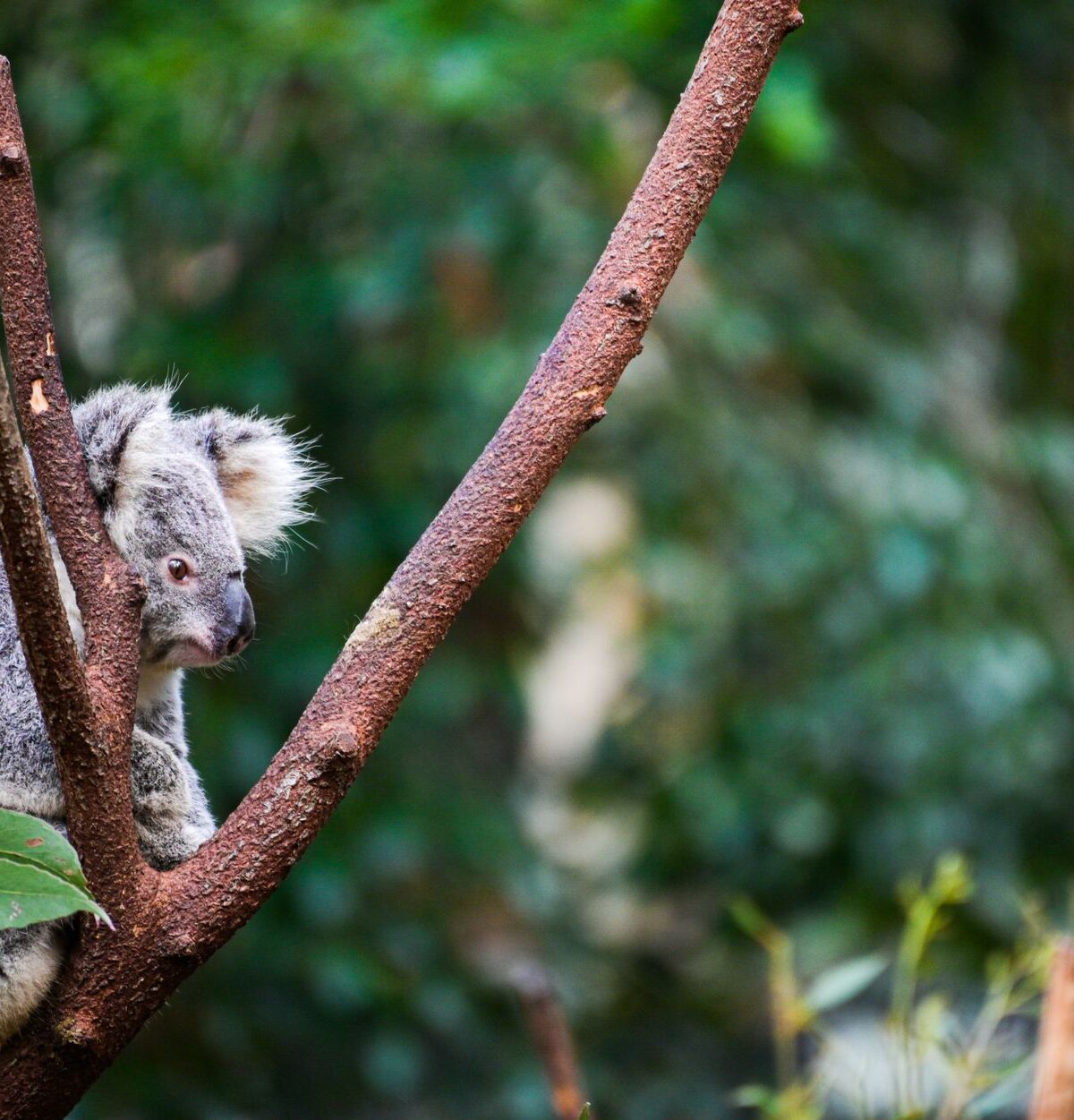
QUEENSLAND KOALA
DESCRIPTION
Queensland Koala, also known as the Koala, is a marsupial native to Australia, characterized by its large, round face, fluffy ears, and a stout body covered in thick, greyish fur. These animals are primarily arboreal, spending most of their time in eucalyptus trees, where they are well-adapted to a life of climbing and resting. Their behavior is generally solitary, and they are known for their distinctive vocalizations, especially during the breeding season, which can be heard echoing through their forest habitats.
FUN FACTS
- Koalas have a unique digestive system that allows them to break down the tough eucalyptus leaves they consume, which are toxic to most other animals
- They have a low metabolic rate, allowing them to conserve energy, which is why they sleep for up to 18 hours a day
- | Despite their cute appearance, Koalas can be quite aggressive, especially males during the breeding season, and they have sharp claws that can inflict serious injuries if they feel threatened
QUICK INFO
Lifespan10-18 years in the wild, up to 20 years in captivi
Average Weight8-14 kg
Average Length60-85 cm
Diet TypeHerbivore
Social Structuresolitary, with individuals typically living alone except during mating season.
Activity PatternNocturnal
Breeding SeasonSpring to early summer (September to January)
- Habitat
- Queensland Koalas inhabit eucalyptus forests and woodlands, where they can find their preferred food sources. They require a habitat that provides both food and shelter from predators.
- Biomes
- Tropical Rainforest, Temperate Forest
- Native Range
- Queensland Koalas are found in the eastern coastal regions of Australia, particularly in Queensland.
- Continent
- Australia
- Countries
- Australia
- Diet
- Queensland Koalas are herbivores that primarily feed on eucalyptus leaves, which are low in nutrients and high in fibrous content. They have a specialized digestive system that allows them to detoxify the chemicals found in these leaves.
- Diet Type
- Herbivore
- Favorite Food
- Eucalyptus leaves
- Social Structure
- solitary, with individuals typically living alone except during mating season.
- Activity Pattern
- Nocturnal
- Group Size
- 1
- Territorial
- 1
 LC
LC
 LC
LC
8-14 kg
Weight
60-85 cm
Length
- Coloration
- greyish fur with white patches on the ears and chest
- Sexual Dimorphism
- males are generally larger than females
- Lifespan
- 10-18 years in the wild, up to 20 years in captivi
- Gestation Period
- 35 days
- Offspring per Birth
- 1
- Sexual Maturity
- 2-3 years
- Breeding Season
- Spring to early summer (September to January)
VU
Vulnerable
IUCN Red List Status
- Population Status
- The population of Queensland Koalas is currently under threat due to habitat loss and disease.
- Wild Population Estimate
- 50,000-100,000
- Population Trend
- Decreasing
- Endangered
- 1
- Threats
- Main threats to Queensland Koalas include habitat destruction due to urban development and agriculture, as well as diseases such as chlamydia. Climate change also poses a significant risk by affecting their food sources and habitat.
- Conservation Program
- Various conservation programs are in place, including habitat restoration and protection initiatives.
- Predators
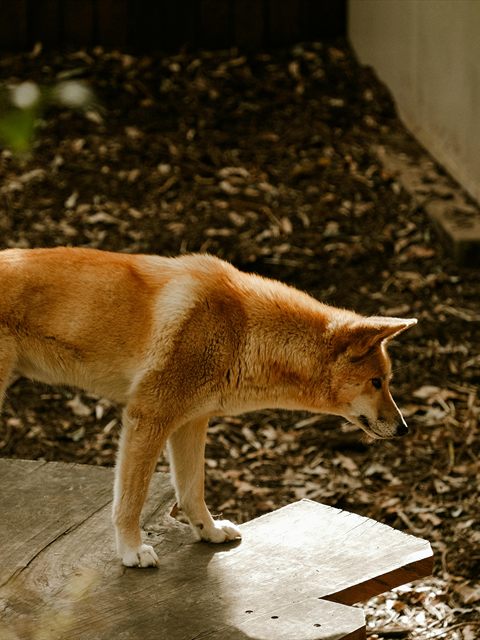
- Dingoes, domestic dogs, and large birds of prey such as eagles.
- Defense Mechanisms
- Queensland Koalas rely on their ability to climb high into trees to escape predators, and they can also use their sharp claws for defense if threatened.
- Found in Zoos
- Common