


RACCOON DOG
Nyctereutes procyonoides
DESCRIPTION
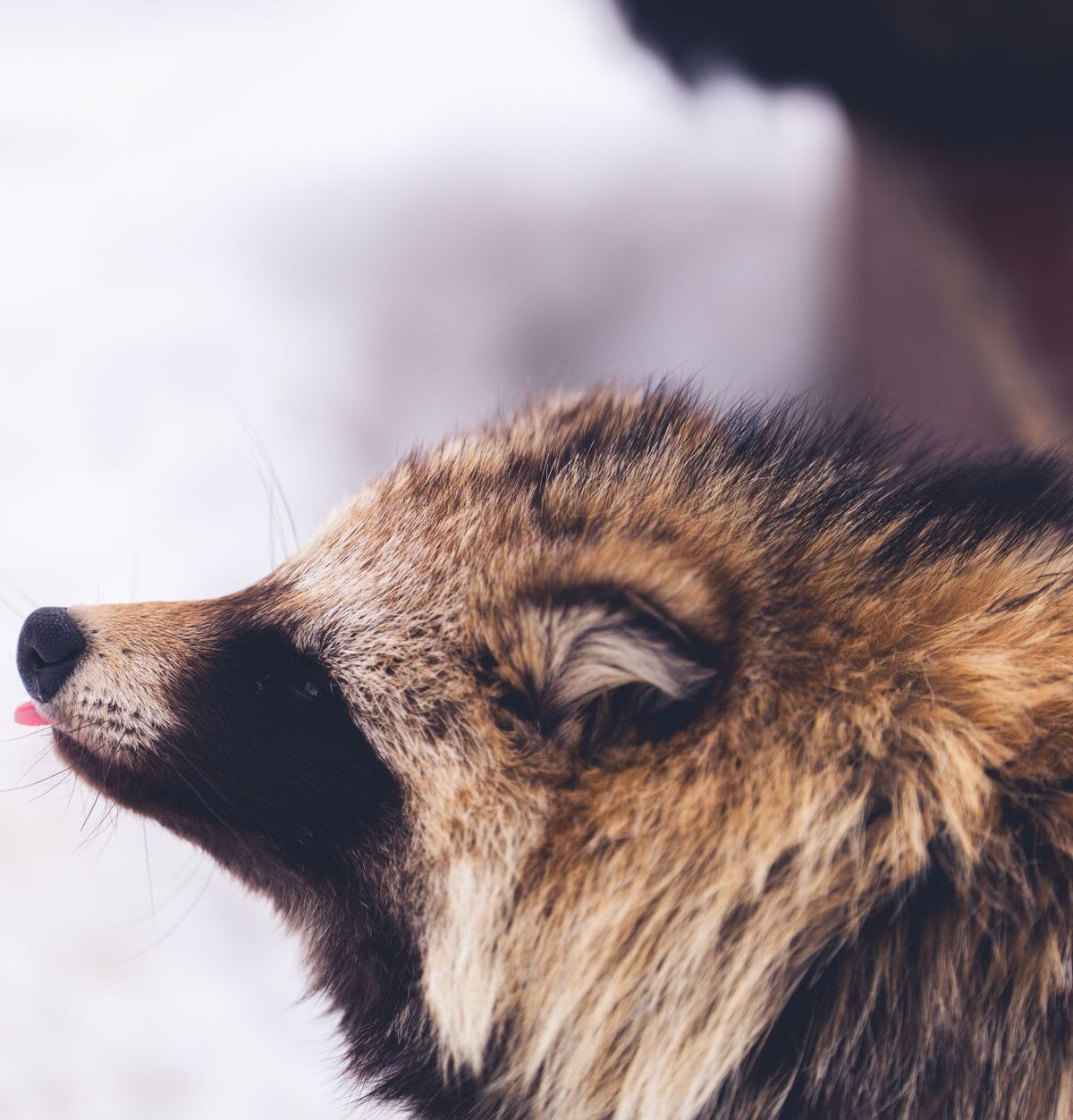
Raccoon Dog (Nyctereutes procyonoides), also known as Tanuki, is a unique canid species that resembles a raccoon due to its facial markings and bushy tail. This medium-sized mammal has a stocky build, with a thick fur coat that varies in color from grayish-brown to reddish-brown, often with a lighter underbelly. Raccoon Dogs are known for their adaptability, inhabiting a range of environments from forests to urban areas, and they exhibit a mix of nocturnal and diurnal behaviors.
FUN FACTS
- Raccoon Dogs are unique among canids because they can climb trees, a behavior not typically seen in other members of the family
- They are also known for their cultural significance in Japan, where they are often depicted in folklore and are considered symbols of good fortune.|Raccoon Dogs have a distinctive vocalization that resembles a mix of a bark and a howl, which they use to communicate with each other
- Interestingly, they are also known to engage in a behavior called 'playing dead' when threatened, which can confuse potential predators
QUICK INFO
Lifespan5-7 years in the wild, up to 10 years in captivity
Average Weight5-10 kg
Average Length50-70 cm
Diet TypeOmnivore
Social Structuresolitary, pairs during breeding season
Activity PatternCrepuscular
Breeding SeasonWinter (January-March)
- Habitat
- Raccoon Dogs thrive in diverse habitats, including forests, grasslands, and urban areas. They prefer regions with ample cover and access to food sources.
- Biomes
- Temperate Forest, Grassland, Urban
- Native Range
- Originally native to East Asia, Raccoon Dogs have expanded their range into parts of Europe and have been introduced to other regions.
- Continent
- Asia, Europe
- Countries
- Japan, China, Korea, Russia, Poland
- Diet
- Raccoon Dogs are omnivorous, feeding on a varied diet that includes fruits, insects, small mammals, and carrion. They are opportunistic feeders and will scavenge when necessary.
- Diet Type
- Omnivore
- Favorite Food
- fruits, insects, small mammals
- Social Structure
- solitary, pairs during breeding season
- Activity Pattern
- Crepuscular
- Group Size
- 1-2
- Territorial
- 0
 LC
LC
 VU
VU
5-10 kg
Weight
50-70 cm
Length
- Coloration
- grayish-brown to reddish-brown with lighter underbelly
- Sexual Dimorphism
- males are generally larger than females
- Lifespan
- 5-7 years in the wild, up to 10 years in captivity
- Gestation Period
- 63-65 days
- Offspring per Birth
- 4-6
- Sexual Maturity
- 10-12 months
- Breeding Season
- Winter (January-March)
LC
Least Concern
IUCN Red List Status
- Population Status
- The population of Raccoon Dogs is currently stable in many areas, although they face threats in some regions.
- Wild Population Estimate
- unknown
- Population Trend
- Stable
- Endangered
- 0
- Threats
- Main threats include habitat loss and hunting. In some areas, they are also affected by diseases such as rabies.
- Predators
- Wolves, foxes, large birds of prey, and humans.
- Defense Mechanisms
- Raccoon Dogs can use their agility to escape predators and may also play dead when threatened.
- Found in Zoos
- Uncommon