


RACCOON
Procyon lotor
DESCRIPTION
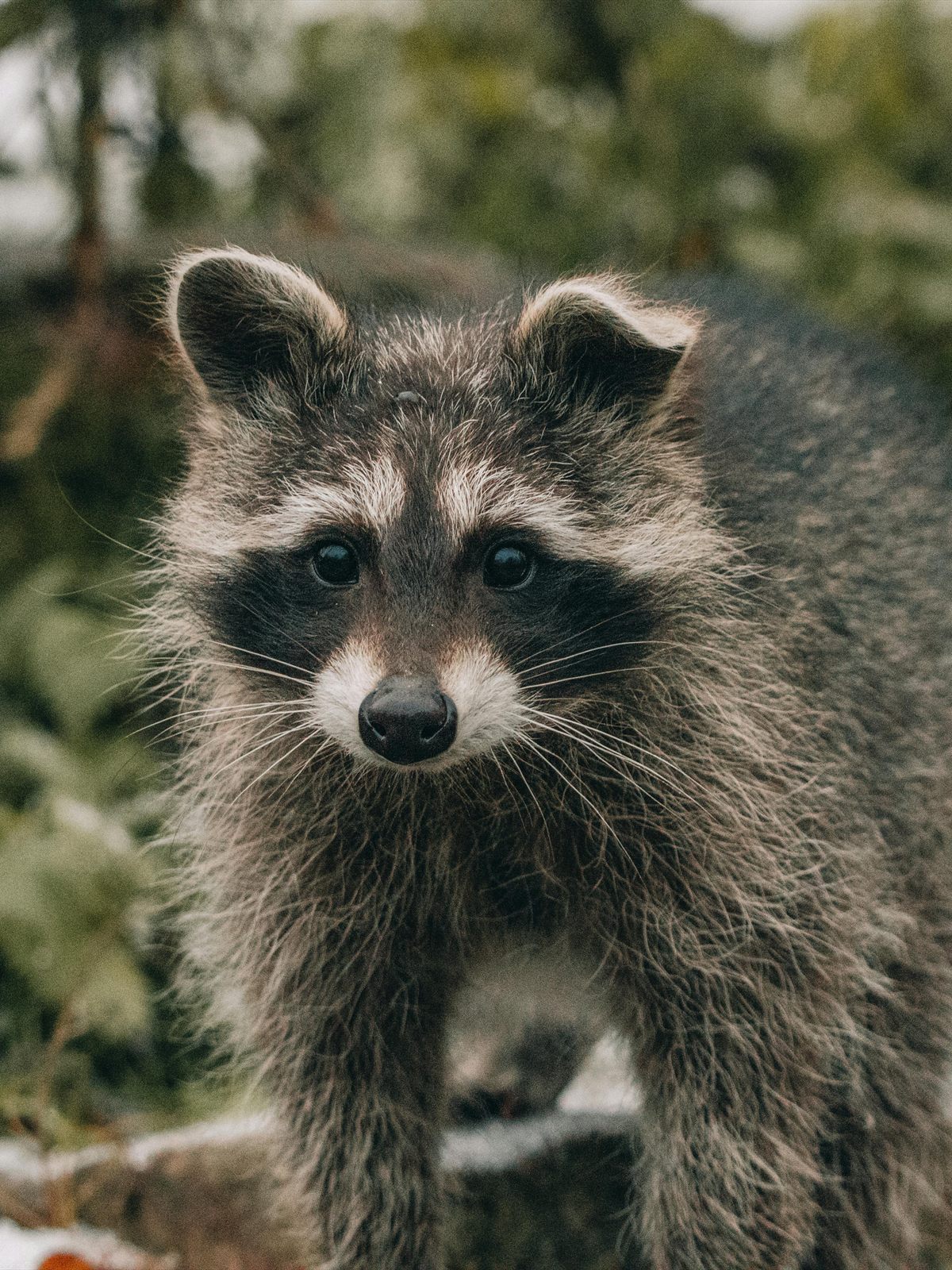
Raccoon, also known as Coons, is a medium-sized mammal characterized by its distinctive black 'mask' of fur around its eyes and its bushy, ringed tail. They have a grayish-brown coat and are known for their dexterous front paws, which allow them to manipulate objects and open containers. Raccoons are highly adaptable and can thrive in various environments, often found in urban areas as well as forests and wetlands.
FUN FACTS
- Raccoons have highly sensitive front paws that allow them to feel and manipulate objects, which is why they are often seen 'washing' their food in water
- They are also known for their intelligence, with problem-solving abilities comparable to those of primates, and can remember solutions to tasks for up to three years
QUICK INFO
Lifespan2-3 years in the wild, up to 10-15 years in captiv
Average Weight5-26 kg
Average Length60-95 cm
Diet TypeOmnivore
Social StructureSolitary, although they may be seen in small groups when foraging for food.
Activity PatternNocturnal
Breeding SeasonSpring (February-April)
- Habitat
- Raccoons are highly adaptable and can be found in a variety of habitats, including forests, urban areas, and wetlands. They prefer areas near water sources, which provide food and shelter.
- Biomes
- Temperate Forest, Urban, Wetlands
- Native Range
- Raccoons are native to North America, ranging from southern Canada to central Mexico.
- Continent
- North America
- Countries
- United States, Canada, Mexico
- Diet
- Raccoons are omnivorous and have a varied diet that includes fruits, nuts, insects, small animals, and human food scraps. Their opportunistic feeding behavior allows them to exploit a wide range of food sources.
- Diet Type
- Omnivore
- Favorite Food
- Fruits, insects, small animals
- Social Structure
- Solitary, although they may be seen in small groups when foraging for food.
- Activity Pattern
- Nocturnal
- Group Size
- 1-5
- Territorial
- 0

 LC
LC
 LC
LC
LC
LC
5-26 kg
Weight
60-95 cm
Length
- Coloration
- Grayish-brown fur with a black facial mask and ringed tail.
- Sexual Dimorphism
- Males are generally larger than females.
- Lifespan
- 2-3 years in the wild, up to 10-15 years in captiv
- Gestation Period
- 63-65 days
- Offspring per Birth
- 2-5
- Sexual Maturity
- 1 year
- Breeding Season
- Spring (February-April)
LC
Least Concern
IUCN Red List Status
- Population Status
- Raccoon populations are generally stable and widespread.
- Wild Population Estimate
- Estimated in millions, exact numbers vary by region.
- Population Trend
- Stable
- Endangered
- 0
- Threats
- Main threats include habitat loss, vehicle collisions, and disease. Raccoons are also sometimes hunted for their fur.
- Predators
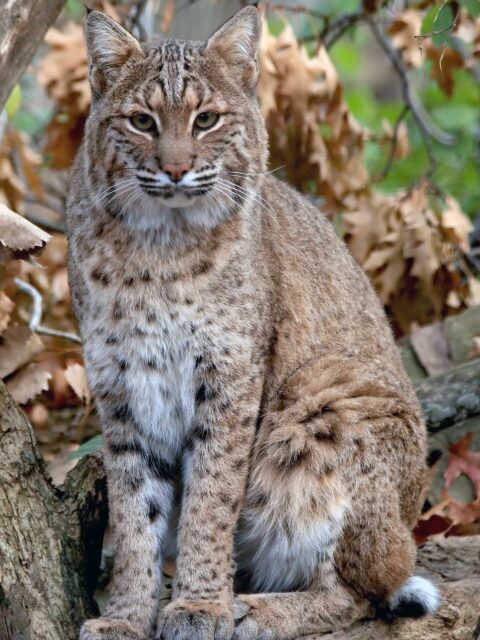
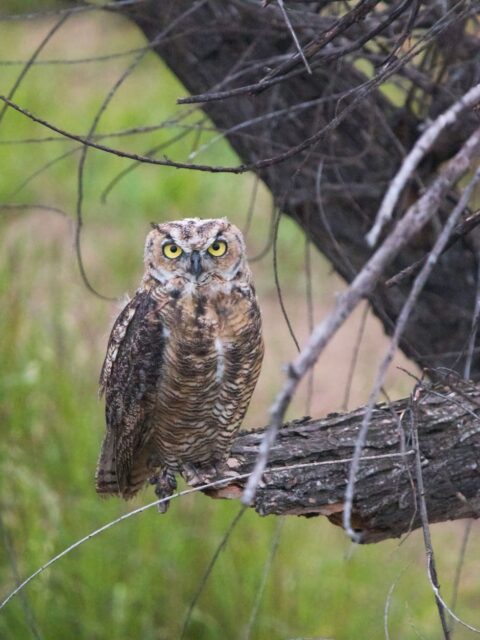
- Coyotes, bobcats, great horned owls, and domestic dogs.
- Defense Mechanisms
- Raccoons use their agility and intelligence to escape predators, often climbing trees or hiding in burrows.
- Compatible Animals
- None
- Found in Zoos
- Common