



RED BEADED ANEMONE
DESCRIPTION
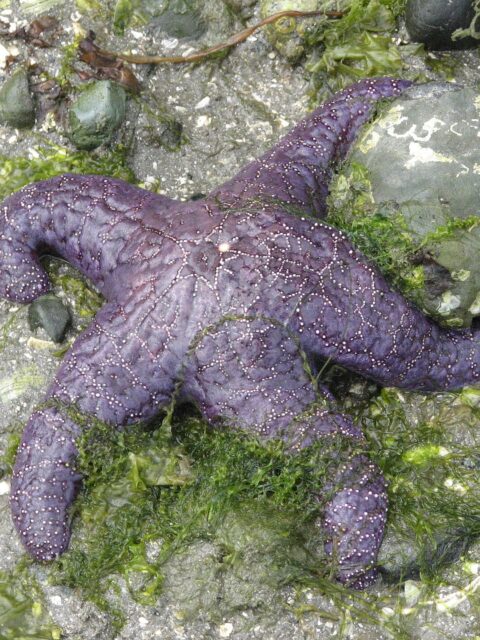
Also called the Beaded Anemone, the Red Beaded Anemone is a striking marine invertebrate known for its vibrant red coloration and distinctive bead-like structures along its tentacles. This species typically resides in shallow coastal waters, where it anchors itself to rocks or coral substrates. Its behavior includes retracting its tentacles when disturbed and extending them to capture prey, showcasing its adaptability in various marine environments.
FUN FACTS
- The Red Beaded Anemone's vibrant color not only serves as a warning to potential predators but also plays a role in attracting prey
- Additionally, these anemones can reproduce both sexually and asexually, allowing them to thrive in various environments and conditions
QUICK INFO
Lifespanup to 5 years in the wild
Average Length10-30 cm
Diet TypeCarnivore
Social Structuresolitary, typically found alone on rocky surfaces
Activity PatternDiurnal
Breeding SeasonSpring to early summer
- Habitat
- This anemone is commonly found in rocky substrates and coral reefs in shallow coastal waters. It thrives in environments with good water circulation and light exposure.
- Biomes
- Coral Reef, Coastal
- Native Range
- The Red Beaded Anemone is native to the western Atlantic Ocean, particularly along the coasts of North America.
- Continent
- North America
- Countries
- United States, Canada
- Diet
- The Red Beaded Anemone primarily feeds on small fish and zooplankton, capturing them with its stinging tentacles. It uses its nematocysts to immobilize prey before consumption.
- Diet Type
- Carnivore
- Favorite Food
- small fish, zooplankton
- Social Structure
- solitary, typically found alone on rocky surfaces
- Activity Pattern
- Diurnal
- Group Size
- 1
- Territorial
- 0
 VU
VU
 LC
LC
10-30 cm
Length
- Coloration
- vibrant red with bead-like structures on tentacles
- Lifespan
- up to 5 years in the wild
- Sexual Maturity
- 1-2 years
- Breeding Season
- Spring to early summer
LC
Least Concern
IUCN Red List Status
- Population Status
- Population status is currently stable, but local densities can vary based on environmental conditions.
- Population Trend
- Stable
- Endangered
- 0
- Threats
- Main threats include habitat destruction due to coastal development and pollution. Climate change also poses a risk through ocean acidification and temperature changes.
- Predators
- Sea stars, fish, and certain species of crabs are known to prey on the Red Beaded Anemone.
- Defense Mechanisms
- The anemone uses its stinging tentacles to deter predators and capture prey.
- Compatible Animals
- small fish, certain invertebrates
- Found in Zoos
- Uncommon