



RED BUFFALO
DESCRIPTION
The Red Buffalo, also known as the African Red Buffalo, is a large bovine characterized by its reddish-brown coat, which can vary in shade. These animals are robust and muscular, with a broad head and large, curved horns that can grow up to 1 meter in length. They are social creatures, often found in herds, and play a significant role in their ecosystem by grazing on grasses and helping to maintain the savanna landscape.
FUN FACTS
- Red Buffalo are known for their impressive herd dynamics, often displaying complex social behaviors that include grooming and cooperative care of young
- They are also highly adaptable and can thrive in a variety of habitats, making them resilient to environmental changes.| Despite their size and strength, Red Buffalo are often preyed upon by large carnivores, which highlights the delicate balance of their ecosystem
- Their grazing habits not only benefit their own species but also support a diverse range of other wildlife by maintaining the health of grasslands
QUICK INFO
Lifespan15-25 years in the wild, up to 30 in captivity
Average Weight500-900 kg
Average Length2.0-3.0 m
Diet TypeHerbivore
Social Structuregroup — they typically live in herds that provide protection against predators.
Activity PatternDiurnal
Breeding SeasonYear-round, with peaks depending on local conditions
- Habitat
- Red Buffalo inhabit open grasslands and savannas, often near water sources. They prefer areas with abundant vegetation for grazing and shade for resting.
- Biomes
- Savanna, Grassland
- Native Range
- The native range of the Red Buffalo includes various regions across sub-Saharan Africa.
- Continent
- Africa
- Countries
- Kenya, Tanzania, Uganda, South Africa, Botswana
- Diet
- Red Buffalo primarily feed on grasses, leaves, and other vegetation. They are known to graze extensively, which helps in nutrient cycling within their habitat.
- Diet Type
- Herbivore
- Favorite Food
- grasses, leaves
- Social Structure
- group — they typically live in herds that provide protection against predators.
- Activity Pattern
- Diurnal
- Group Size
- 10-50
- Territorial
- 0
 LC
LC
 LC
LC
 VU
VU
500-900 kg
Weight
2.0-3.0 m
Length
1.5-1.8 m at shoulder
Height (Shoulder)
- Coloration
- reddish-brown coat with darker markings
- Sexual Dimorphism
- males are generally larger and have more prominent horns than females
- Lifespan
- 15-25 years in the wild, up to 30 in captivity
- Gestation Period
- 330 days
- Offspring per Birth
- 1
- Sexual Maturity
- 3-4 years
- Breeding Season
- Year-round, with peaks depending on local conditions
LC
Least Concern
IUCN Red List Status
- Population Status
- The population of Red Buffalo is currently stable, but they face threats from habitat loss and hunting.
- Wild Population Estimate
- 50,000-100,000
- Population Trend
- Stable
- Endangered
- 0
- Threats
- Main threats include habitat destruction due to agriculture and poaching for meat and horns. Additionally, competition with livestock for resources can impact their populations.
- Predators
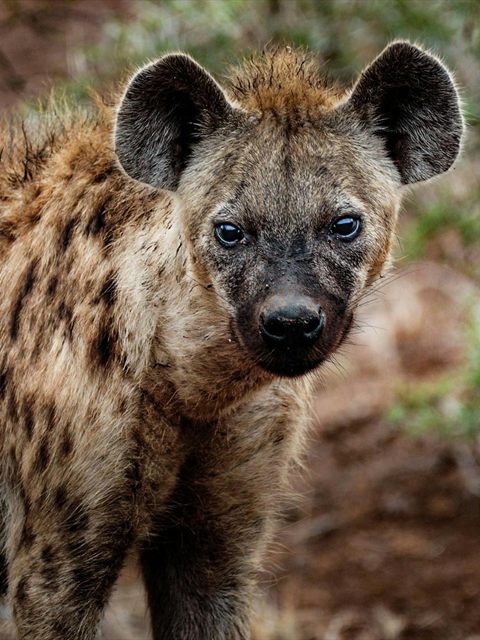
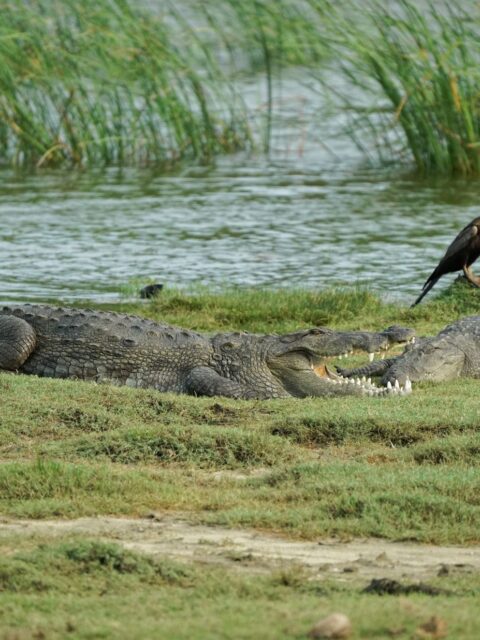
- Lions, hyenas, crocodiles, and leopards are known predators of the Red Buffalo.
- Defense Mechanisms
- They often rely on their size and strength to fend off predators, and they can form defensive circles when threatened.
- Compatible Animals
- Zebras, wildebeests, various antelope species
- Found in Zoos
- Uncommon