


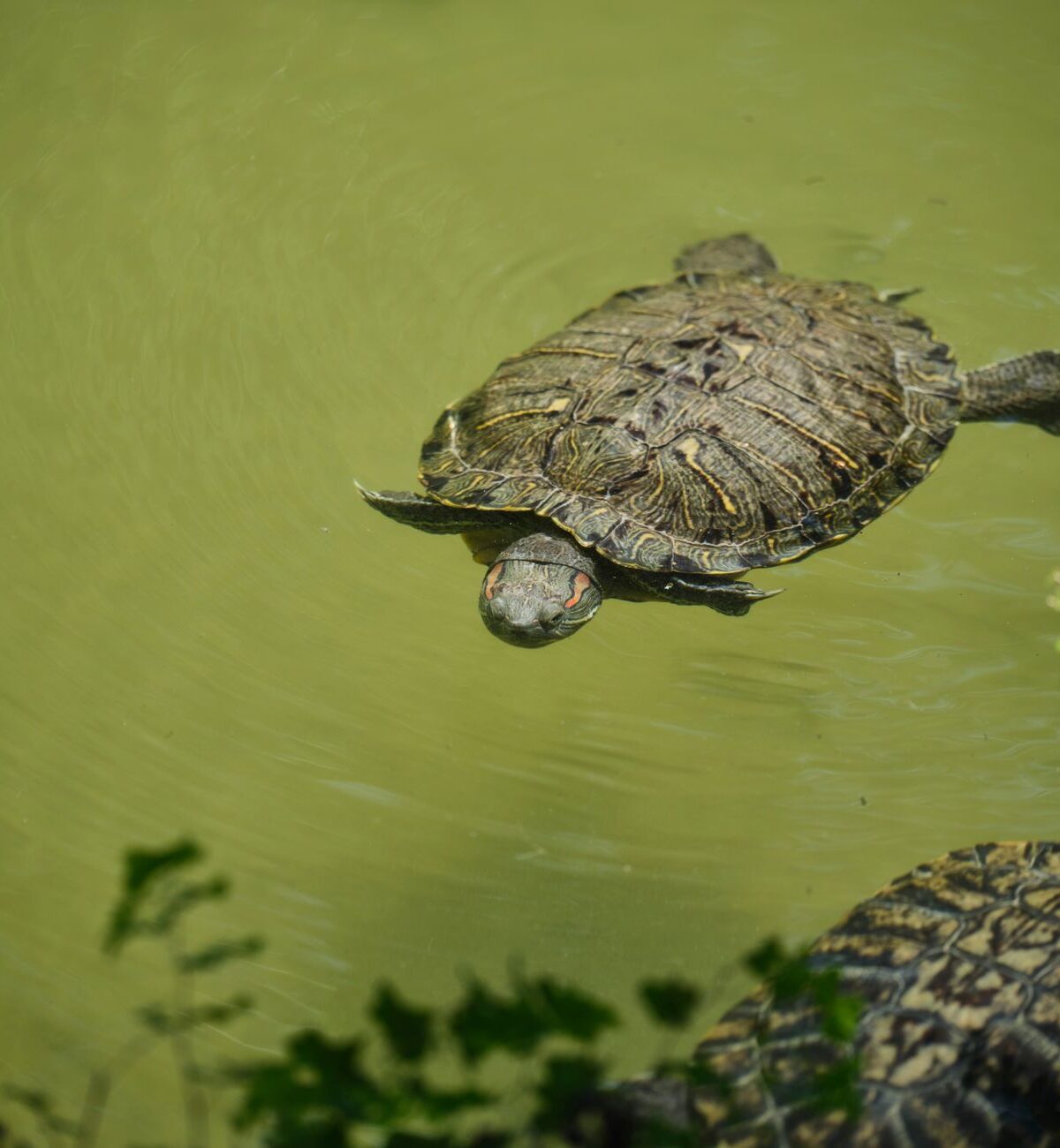
RED-EARED SLIDER TURTLE
Trachemys scripta elegans
DESCRIPTION
Red-Eared Slider Turtle (Trachemys scripta elegans) is commonly known as the Red-Eared Slider due to the distinctive red stripe located behind each eye. This species exhibits a dome-shaped shell that can vary in color from olive to dark green, often with yellow stripes. They are semi-aquatic and are known for their basking behavior, often seen sunning themselves on logs or rocks during the day.
FUN FACTS
- Red-Eared Sliders are one of the most popular pet turtles in the world, often sold in pet stores
- They can recognize their owners and may even respond to their presence by swimming to the surface for food
- | These turtles are excellent swimmers and can hold their breath underwater for up to 30 minutes, allowing them to evade predators and explore their aquatic habitats
QUICK INFO
Lifespan20-30 years in captivity, 10-20 years in the wild
Average Weight1-2 kg
Average Length15-30 cm
Diet TypeOmnivore
Social Structuregroup — they often bask and forage in groups but can also exhibit solitary behavior.
Activity PatternDiurnal
Breeding SeasonSpring to early summer
- Habitat
- They inhabit freshwater environments such as ponds, lakes, and rivers, often preferring areas with abundant vegetation and basking sites. They require both aquatic and terrestrial habitats for foraging and nesting.
- Biomes
- Freshwater, Wetlands
- Native Range
- Native to the southeastern United States, but has been introduced to many other regions worldwide.
- Continent
- North America, Asia, Europe, Australia
- Countries
- United States, Mexico, Japan, Italy, Australia
- Diet
- Red-Eared Sliders are omnivorous, feeding on a variety of plant and animal matter. Their diet includes aquatic vegetation, insects, and small fish.
- Diet Type
- Omnivore
- Favorite Food
- aquatic plants, insects, small fish
- Social Structure
- group — they often bask and forage in groups but can also exhibit solitary behavior.
- Activity Pattern
- Diurnal
- Group Size
- 5-30
- Territorial
- 1
 LC
LC
 VU
VU
 LC
LC
1-2 kg
Weight
15-30 cm
Length
- Coloration
- Typically olive to dark green with yellow stripes and a distinctive red or orange stripe behind the eyes.
- Sexual Dimorphism
- Males are generally smaller than females and have longer claws.
- Lifespan
- 20-30 years in captivity, 10-20 years in the wild
- Offspring per Birth
- 3-20
- Sexual Maturity
- 3-5 years
- Breeding Season
- Spring to early summer
LC
Least Concern
IUCN Red List Status
- Population Status
- The population is considered stable in many areas, but local declines have been noted due to habitat loss and over-collection.
- Wild Population Estimate
- Unknown
- Population Trend
- Stable
- Endangered
- 0
- Threats
- Main threats include habitat destruction, pollution, and the pet trade. Invasive species and competition for resources also pose significant challenges.
- Predators
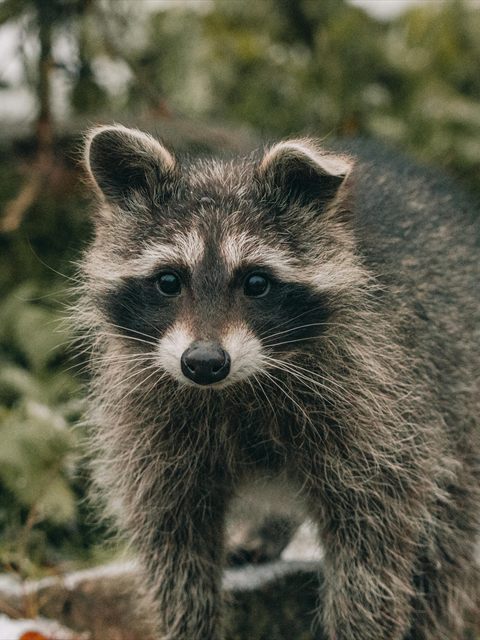
- Raccoons, birds of prey, large fish, and domestic animals such as dogs.
- Defense Mechanisms
- They can retract into their shells for protection and are also known to be quite fast in water.
- Compatible Animals
- Other turtle species, certain fish, and amphibians in controlled environments
- Found in Zoos
- Common