


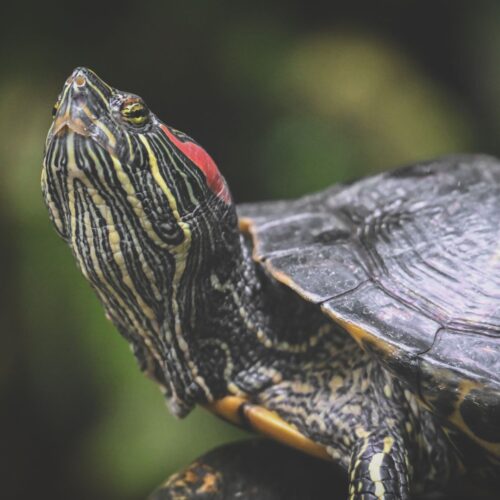
RED-EARED SLIDER
Trachemys scripta elegans
DESCRIPTION
The Red-Eared Slider is a medium-sized freshwater turtle known for its distinctive red stripe behind each eye. They have a smooth, oval-shaped shell that can vary in color from olive to dark green, often with yellow stripes. These turtles are highly adaptable and are commonly found basking on logs or rocks in sunny areas, showcasing their social behavior and preference for warm environments.
FUN FACTS
- Red-Eared Sliders are one of the most popular pet turtles in the world, often sold in pet stores
- They can recognize their owners and may even respond to their voices, showcasing a level of intelligence that surprises many turtle enthusiasts
- | These turtles are excellent swimmers and can hold their breath underwater for up to 30 minutes, allowing them to evade predators and explore their aquatic habitats effectively
QUICK INFO
Lifespan20-30 years in captivity, 10-20 years in the wild
Average Weight1-2 kg
Average Length15-30 cm
Diet TypeOmnivore
Social Structuregroup — they often bask and forage in groups, especially in favorable conditions.
Activity PatternDiurnal
Breeding SeasonSpring to early summer
- Habitat
- They inhabit freshwater environments such as ponds, lakes, and rivers, often preferring areas with abundant vegetation and basking sites. They are also known to thrive in urban areas and man-made water bodies.
- Biomes
- Freshwater, Wetlands
- Native Range
- Native to the southern United States and northern Mexico, they have been introduced to many other regions worldwide.
- Continent
- North America
- Countries
- United States, Mexico
- Diet
- Red-Eared Sliders are omnivorous, feeding on a variety of plant and animal matter. Their diet includes aquatic vegetation, insects, and small fish.
- Diet Type
- Omnivore
- Favorite Food
- aquatic plants, insects, small fish
- Social Structure
- group — they often bask and forage in groups, especially in favorable conditions.
- Activity Pattern
- Diurnal
- Group Size
- 5-30
- Territorial
- 0
 LC
LC
 VU
VU
 LC
LC
1-2 kg
Weight
15-30 cm
Length
- Coloration
- olive to dark green shell with yellow stripes and a distinctive red stripe behind the eyes.
- Sexual Dimorphism
- Males are generally smaller with longer claws, while females are larger.
- Lifespan
- 20-30 years in captivity, 10-20 years in the wild
- Offspring per Birth
- 3-20
- Sexual Maturity
- 2-5 years
- Breeding Season
- Spring to early summer
LC
Least Concern
IUCN Red List Status
- Population Status
- The population is generally stable, but local declines may occur due to habitat loss.
- Wild Population Estimate
- Unknown
- Population Trend
- Stable
- Endangered
- 0
- Threats
- Main threats include habitat destruction, pollution, and the pet trade. Invasive species and competition for resources also pose risks to their populations.
- Predators
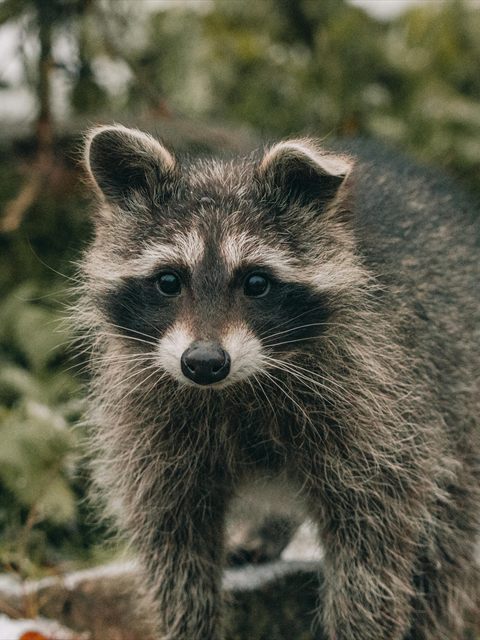
- Raccoons, birds of prey, large fish, and domestic pets such as dogs.
- Defense Mechanisms
- They can retract into their shells for protection and are also known to be quite fast in water.
- Compatible Animals
- other turtle species, certain fish species
- Found in Zoos
- Common