


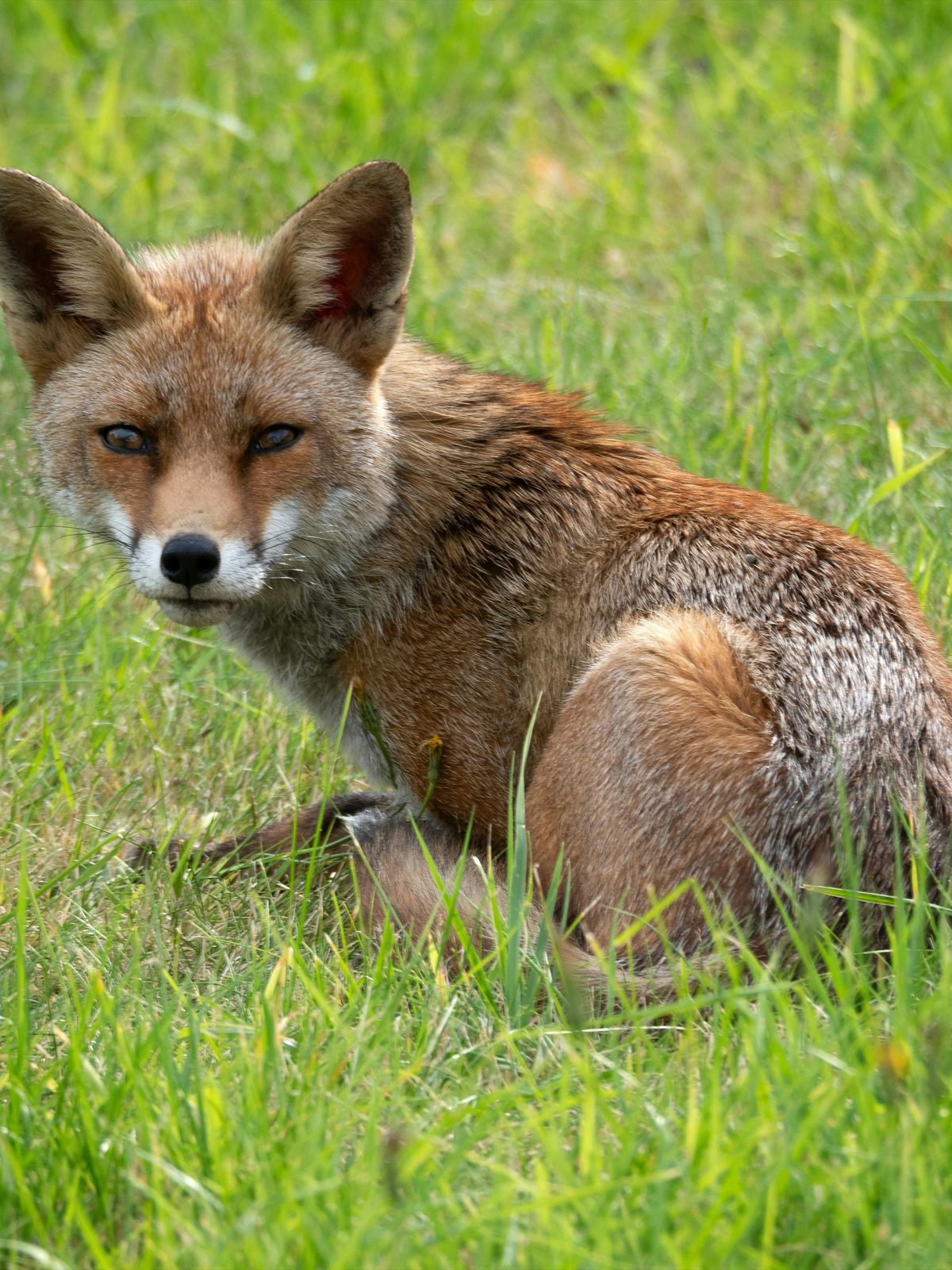
RED FOX
Vulpes vulpes
DESCRIPTION
The Red Fox is a small to medium-sized canid known for its bushy tail and pointed ears. It is highly adaptable and can thrive in a variety of environments, making it one of the most widespread fox species.
FUN FACTS
- Red Foxes can make over 40 different vocalizations | They have excellent hearing and can detect prey underground | Their bushy tails help them maintain balance while running
QUICK INFO
Lifespan3-6 years in the wild, up to 14 years in captivity
Average Weight3.6-6.8 kg
Average Length0.9-1.2 m
Diet TypeOmnivore
Social Structuresolitary, but may form pairs during breeding season
Activity PatternNocturnal
Breeding SeasonWinter (January-March)
- Habitat
- Red Foxes inhabit diverse environments, including forests, grasslands, mountains, and urban areas. They prefer areas with dense cover for denning and hunting.
- Biomes
- Temperate Forest, Grassland, Urban
- Native Range
- Native to North America, Europe, Asia, and parts of North Africa.
- Continent
- North America, Europe, Asia
- Countries
- United States, Canada, United Kingdom, Russia, China
- Diet
- Red Foxes are opportunistic feeders, consuming a varied diet that includes small mammals, birds, fruits, and insects. They are known for their hunting skills and ability to scavenge.
- Diet Type
- Omnivore
- Favorite Food
- small mammals, fruits
- Social Structure
- solitary, but may form pairs during breeding season
- Activity Pattern
- Nocturnal
- Group Size
- 1-5
- Territorial
- 1

3.6-6.8 kg
Weight
0.9-1.2 m
Length
- Coloration
- reddish-brown fur with a white underbelly and black markings on the legs and ears
- Sexual Dimorphism
- males are generally larger than females
- Lifespan
- 3-6 years in the wild, up to 14 years in captivity
- Gestation Period
- 52 days
- Offspring per Birth
- 4-6
- Sexual Maturity
- 10-12 months
- Breeding Season
- Winter (January-March)
LC
Least Concern
IUCN Red List Status
- Population Status
- The Red Fox is widespread and generally abundant, though local populations may vary.
- Wild Population Estimate
- unknown
- Population Trend
- Stable
- Endangered
- 0
- Threats
- Main threats include habitat loss, hunting, and vehicle collisions. They are also susceptible to diseases like rabies.
- Predators
- larger carnivores such as wolves and coyotes, as well as humans
- Defense Mechanisms
- Red Foxes use their agility and speed to escape predators, and they can also use their sharp teeth if cornered.
- Compatible Animals
- none
- Found in Zoos
- Common