



RED-FRONTED MACAW
Ara rubrogenys
DESCRIPTION
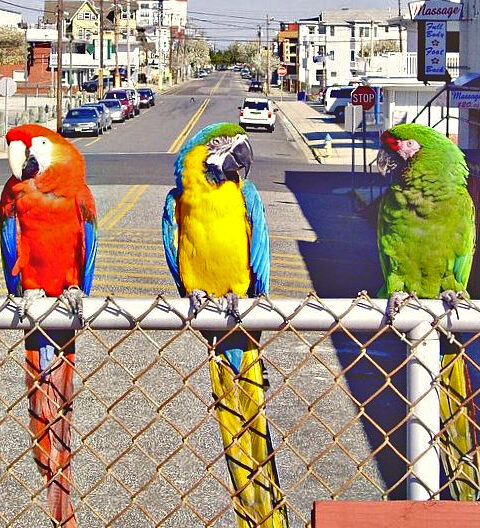
The Red-Fronted Macaw is a striking parrot known for its vibrant green plumage and distinctive red forehead. This medium-sized macaw exhibits a long tail and a strong, curved beak, which is well-adapted for cracking nuts and seeds. Socially, they are often seen in pairs or small groups, engaging in playful behavior and vocalizations that are characteristic of their species.
FUN FACTS
- Red-Fronted Macaws are known for their intelligence and problem-solving abilities, often engaging in complex social interactions that showcase their cognitive skills
- They have been observed using tools in the wild, such as using sticks to help extract seeds from hard-to-reach places
- | These macaws are also known for their strong pair bonds, often mating for life
- They engage in elaborate courtship displays, which include mutual preening and synchronized flying, strengthening their relationship and ensuring successful breeding
QUICK INFO
Lifespan20-30 years in the wild, up to 50 in captivity
Average Weight300-400 g
Average Length50-60 cm
Diet TypeHerbivore
Social StructureThey are typically found in pairs or small groups, often forming strong pair bonds.
Activity PatternDiurnal
Breeding SeasonSpring (September-November)
- Habitat
- This species inhabits tropical and subtropical forests, particularly areas with abundant palm trees. They are often found in the canopy, where they can easily access their food sources and avoid ground predators.
- Biomes
- Tropical Rainforest, Subtropical Forest
- Native Range
- The Red-Fronted Macaw is native to the eastern slopes of the Andes in Bolivia and parts of Brazil.
- Continent
- South America
- Countries
- Bolivia, Brazil
- Diet
- The Red-Fronted Macaw primarily feeds on seeds, nuts, and fruits, with a particular preference for the seeds of the native palm trees. They are known to forage in the canopy of trees, using their strong beaks to access hard-to-reach food sources.
- Diet Type
- Herbivore
- Favorite Food
- seeds, nuts, fruits
- Social Structure
- They are typically found in pairs or small groups, often forming strong pair bonds.
- Activity Pattern
- Diurnal
- Group Size
- 2-10
- Territorial
- 1
 LC
LC
 EN
EN
300-400 g
Weight
50-60 cm
Length
- Coloration
- Vibrant green with a red forehead and blue wing feathers.
- Lifespan
- 20-30 years in the wild, up to 50 in captivity
- Offspring per Birth
- 1-3
- Sexual Maturity
- 3-4 years
- Breeding Season
- Spring (September-November)
EN
Endangered
IUCN Red List Status
- Population Status
- The population of Red-Fronted Macaws is currently declining due to habitat loss and illegal trapping.
- Wild Population Estimate
- 1,000-2,500
- Population Trend
- Decreasing
- Endangered
- 1
- Threats
- Main threats include habitat destruction due to deforestation and illegal trapping for the pet trade. These factors have significantly impacted their population numbers in the wild.
- Conservation Program
- Conservation efforts are underway in Bolivia to protect their habitat and reduce illegal trapping.
- Predators
- Natural predators include large birds of prey and snakes, which may pose a threat to eggs and young macaws.
- Defense Mechanisms
- They use their strong beaks and loud vocalizations to deter potential threats.
- Compatible Animals
- Other macaw species, large parrots
- Found in Zoos
- Uncommon