


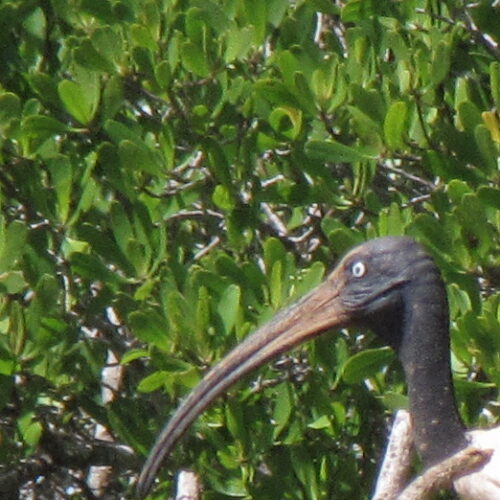
RED IBIS
Eudocimus ruber
DESCRIPTION
The Red Ibis (Eudocimus ruber) is a striking bird known for its vibrant red plumage, which can vary in intensity among individuals. It has a long, curved bill that is well-adapted for foraging in mud and shallow waters. Socially, these birds are often seen in groups, engaging in synchronized movements during flight and foraging, which enhances their foraging efficiency and provides safety in numbers.
FUN FACTS
- The Red Ibis is often associated with the ancient Egyptian deity Thoth, who was depicted with an ibis head, symbolizing wisdom and knowledge
- Additionally, their vibrant coloration is not only beautiful but also serves as a signal during mating rituals, with brighter individuals often attracting more mates.| Red Ibises are known for their unique feeding behavior, where they can often be seen foraging in shallow waters, using their long bills to probe for food
- This behavior is not only fascinating to observe but also highlights their adaptation to wetland ecosystems
QUICK INFO
Lifespan10-15 years in the wild, up to 20 years in captivi
Average Weight1.5-2.5 kg
Average Length65-75 cm
Diet TypeOmnivore
Social StructureThey are typically found in groups, often seen foraging together in flocks.
Activity PatternDiurnal
Breeding SeasonWet season (varies by region)
- Habitat
- Red Ibises inhabit wetlands, marshes, and coastal areas where they can find ample food sources. They prefer shallow waters that allow easy access to their prey.
- Biomes
- Wetlands, Coastal
- Native Range
- The Red Ibis is native to the tropical regions of South America, particularly along the northern coasts and river systems.
- Continent
- South America
- Countries
- Venezuela, Colombia, Brazil, Guyana, Suriname, French Guiana
- Diet
- The Red Ibis primarily feeds on a variety of invertebrates, small fish, and crustaceans found in wetland habitats. They use their long bills to probe into the mud and water to find food.
- Diet Type
- Omnivore
- Favorite Food
- invertebrates, small fish, crustaceans
- Social Structure
- They are typically found in groups, often seen foraging together in flocks.
- Activity Pattern
- Diurnal
- Group Size
- 10-50
- Territorial
- 0
 LC
LC
 VU
VU
1.5-2.5 kg
Weight
65-75 cm
Length
- Coloration
- The Red Ibis is predominantly bright red, with some individuals displaying variations in hue due to environmental factors.
- Sexual Dimorphism
- Males and females are similar in appearance, though males may be slightly larger.
- Lifespan
- 10-15 years in the wild, up to 20 years in captivi
- Offspring per Birth
- 2-4
- Sexual Maturity
- 2-3 years
- Breeding Season
- Wet season (varies by region)
LC
Least Concern
IUCN Red List Status
- Population Status
- The population of Red Ibises is currently stable, but they face habitat loss in some areas.
- Wild Population Estimate
- 50,000-100,000
- Population Trend
- Stable
- Endangered
- 0
- Threats
- Main threats include habitat destruction due to agriculture and urban development. Pollution and climate change also pose risks to their wetland habitats.
- Predators
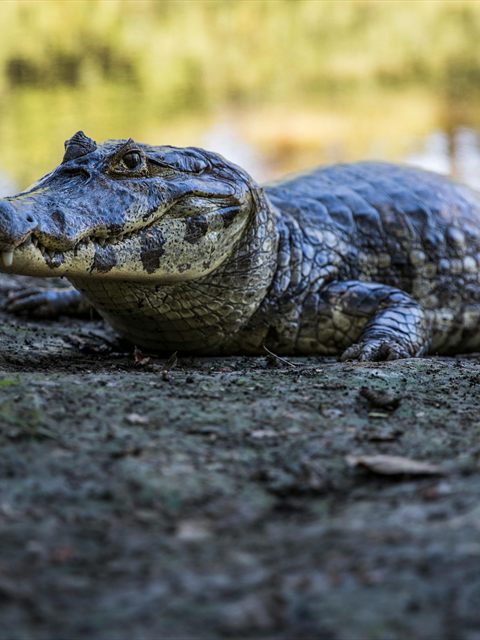
- Caimans, large birds of prey, and humans can pose threats to Red Ibises, particularly to their eggs and young.
- Defense Mechanisms
- They often rely on their social structure for protection, using flocking behavior to deter predators.
- Compatible Animals
- Other wading birds, such as herons and egrets, can often be found in the same habitats.
- Found in Zoos
- Common