


RED PANDA
Ailurus fulgens
DESCRIPTION
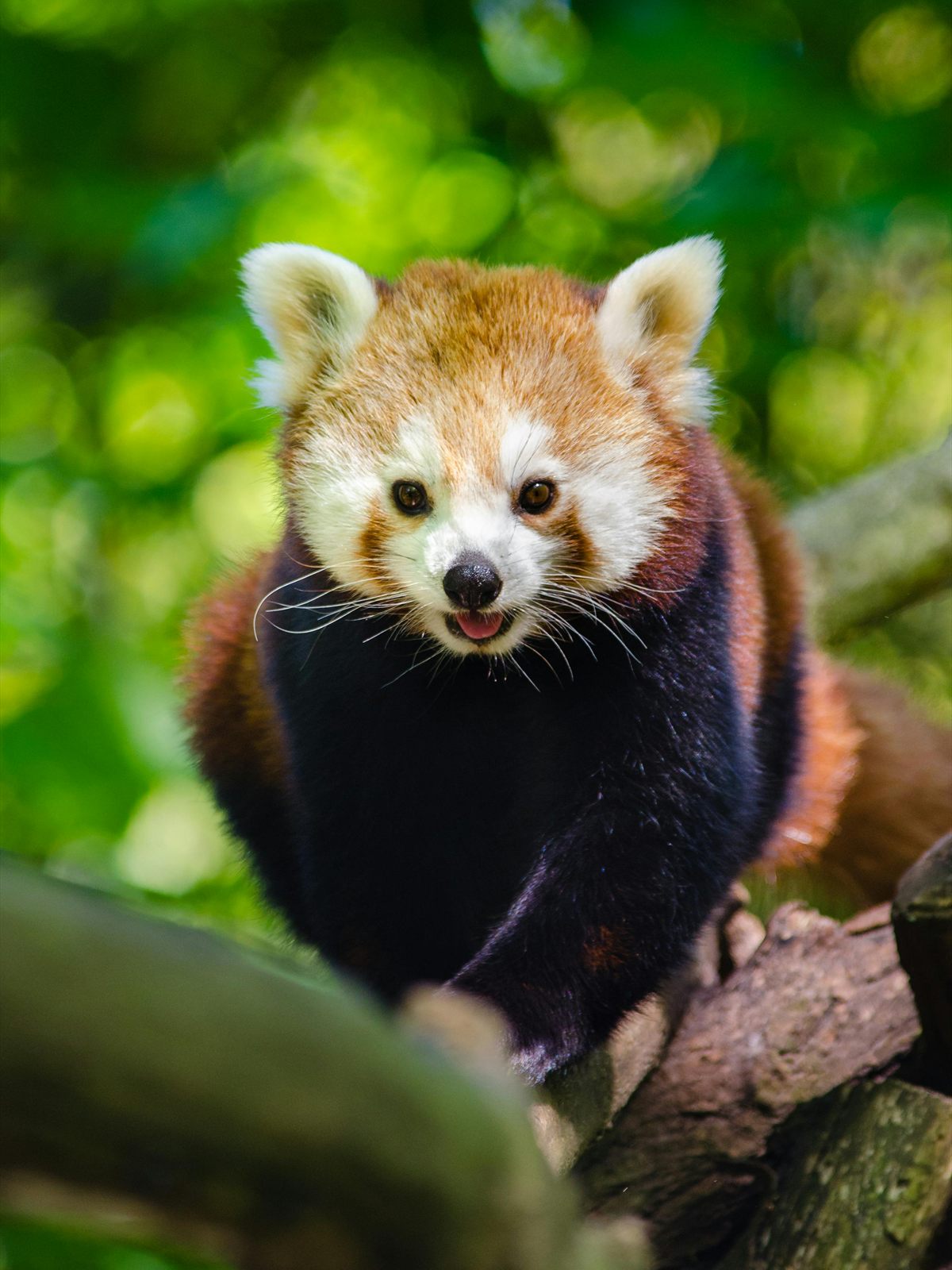
The Red Panda, also known as the lesser panda, is a small mammal native to the eastern Himalayas and southwestern China. It has a distinctive reddish-brown fur, a long bushy tail, and a face with white markings that give it a unique appearance. Red Pandas are primarily arboreal, spending most of their time in trees, and are known for their playful behavior and agility in climbing.
FUN FACTS
- Red Pandas are not closely related to giant pandas, despite their name
- They belong to their own family, Ailuridae, and share more genetic similarities with raccoons
- | The Red Panda has a unique adaptation in its wrist bone that acts like a thumb, allowing it to grasp bamboo and climb effectively
- This adaptation is crucial for their survival in their arboreal habitat
QUICK INFO
Lifespan8-10 years in the wild, up to 15 years in captivit
Average Weight3-6 kg
Average Length50-64 cm
Diet TypeHerbivore
Social Structuresolitary, typically living alone except during mating season
Activity PatternCrepuscular
Breeding SeasonWinter (January-March)
- Habitat
- Red Pandas inhabit temperate forests with a dense understory of bamboo. They prefer cool, moist environments at high elevations, typically between 2,200 and 4,800 meters.
- Biomes
- Temperate Forest, Montane Forest
- Native Range
- The native range of the Red Panda includes the eastern Himalayas and parts of southwestern China.
- Continent
- Asia
- Countries
- Nepal, India, Bhutan, Myanmar, China
- Diet
- Red Pandas primarily eat bamboo, but they also consume fruits, acorns, and occasionally small animals or insects. Their diet is largely herbivorous, with bamboo making up the majority of their intake.
- Diet Type
- Herbivore
- Favorite Food
- bamboo
- Social Structure
- solitary, typically living alone except during mating season
- Activity Pattern
- Crepuscular
- Group Size
- 1
- Territorial
- 1
 VU
VU
 LC
LC
3-6 kg
Weight
50-64 cm
Length
- Coloration
- reddish-brown fur with black markings on the legs and face
- Sexual Dimorphism
- males are generally larger than females
- Lifespan
- 8-10 years in the wild, up to 15 years in captivit
- Gestation Period
- 90-150 days
- Offspring per Birth
- 1-4
- Sexual Maturity
- 18-24 months
- Breeding Season
- Winter (January-March)
EN
Endangered
IUCN Red List Status
- Population Status
- The Red Panda population is currently declining due to habitat loss and poaching.
- Wild Population Estimate
- 10,000-20,000
- Population Trend
- Decreasing
- Endangered
- 1
- Threats
- Main threats to Red Pandas include habitat destruction due to deforestation and fragmentation, as well as poaching for their fur. Climate change also poses a significant risk to their bamboo habitat.
- Conservation Program
- Various conservation programs are in place, including habitat restoration and anti-poaching initiatives.
- Predators
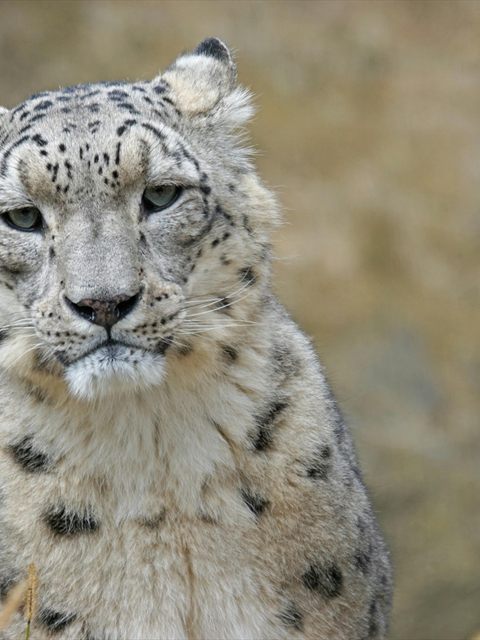
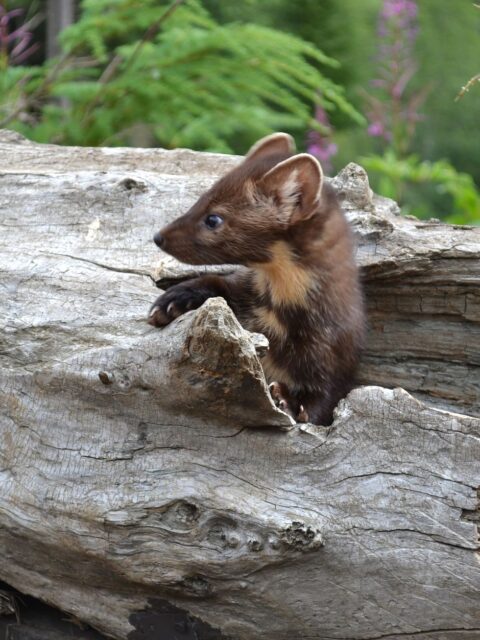
- Snow leopards, martens, and large birds of prey are known predators of Red Pandas.
- Defense Mechanisms
- Red Pandas use their agility to escape predators by climbing trees and can also emit a strong odor to deter threats.
- Found in Zoos
- Common