


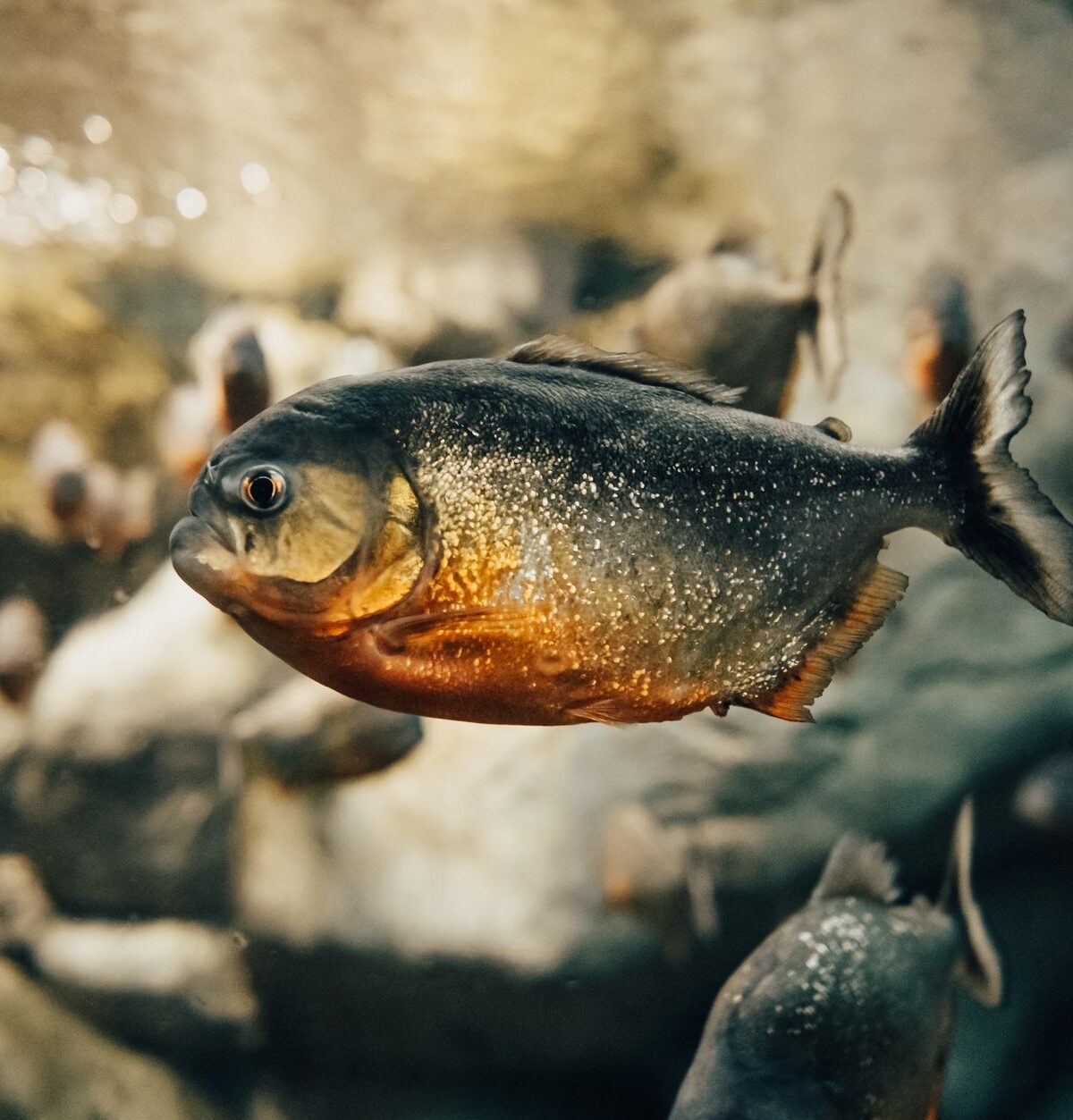
RED PIRANHA
DESCRIPTION
Also called the Red-Bellied Piranha, the Red Piranha is a freshwater fish known for its distinctive red underbelly and sharp teeth. It typically has a robust, laterally compressed body that can reach lengths of up to 12 inches. These fish are known for their schooling behavior, often found in groups, which provides safety in numbers against predators.
FUN FACTS
- Red Piranhas are often misunderstood as vicious killers, but they are more scavengers than hunters, typically feeding on dead or dying fish
- Their sharp teeth are designed for slicing rather than tearing, making them efficient at consuming their preferred prey
- | In the wild, Red Piranhas can exhibit complex social behaviors, including cooperative hunting and territorial displays, which are fascinating to observe in their natural habitats
QUICK INFO
Lifespan10-15 years in the wild, up to 20 years in captivi
Average Weight1-3 kg
Average Length25-35 cm
Diet TypeCarnivore
Social StructureThey are typically found in groups, which can range from a few individuals to several dozen.
Activity PatternDiurnal
Breeding SeasonRainy season (varies by region)
- Habitat
- Red Piranhas inhabit freshwater rivers, lakes, and floodplains, often preferring areas with dense vegetation. They thrive in warm, slow-moving waters.
- Biomes
- Freshwater, Tropical Rainforest
- Native Range
- They are native to the Amazon Basin, as well as parts of the Orinoco and Paraná river basins in South America.
- Continent
- South America
- Countries
- Brazil, Peru, Colombia, Venezuela, Paraguay, Argentina
- Diet
- Red Piranhas are primarily carnivorous, feeding on fish, crustaceans, and occasionally plant material. They are opportunistic feeders and will scavenge when necessary.
- Diet Type
- Carnivore
- Favorite Food
- fish, crustaceans
- Social Structure
- They are typically found in groups, which can range from a few individuals to several dozen.
- Activity Pattern
- Diurnal
- Group Size
- 5-30
- Territorial
- 0
 VU
VU
 VU
VU
1-3 kg
Weight
25-35 cm
Length
- Coloration
- They have a silver body with a reddish or orange belly and sharp, pointed teeth.
- Sexual Dimorphism
- Males are generally smaller and have more vibrant coloration compared to females.
- Lifespan
- 10-15 years in the wild, up to 20 years in captivi
- Offspring per Birth
- 100-1000
- Sexual Maturity
- 1-2 years
- Breeding Season
- Rainy season (varies by region)
LC
Least Concern
IUCN Red List Status
- Population Status
- The population is currently stable in many areas, but local declines can occur due to overfishing.
- Wild Population Estimate
- Unknown
- Population Trend
- Stable
- Endangered
- 0
- Threats
- Main threats include habitat destruction and overfishing. Pollution and climate change also pose risks to their populations.
- Predators
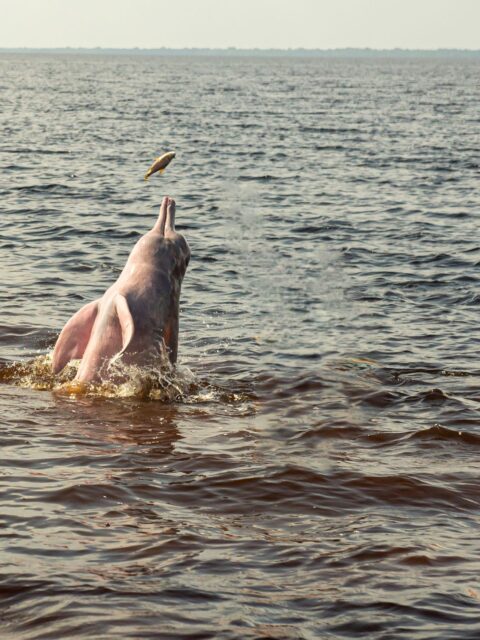
- Larger fish, birds, and mammals such as caimans and river dolphins.
- Defense Mechanisms
- They often school together to confuse predators and can display aggressive behaviors to deter threats.
- Compatible Animals
- Tropical fish species such as tetras and catfish, though caution is advised due to their carnivorous nature.
- Found in Zoos
- Common