


RED SHOVELER
Anas platalea
DESCRIPTION
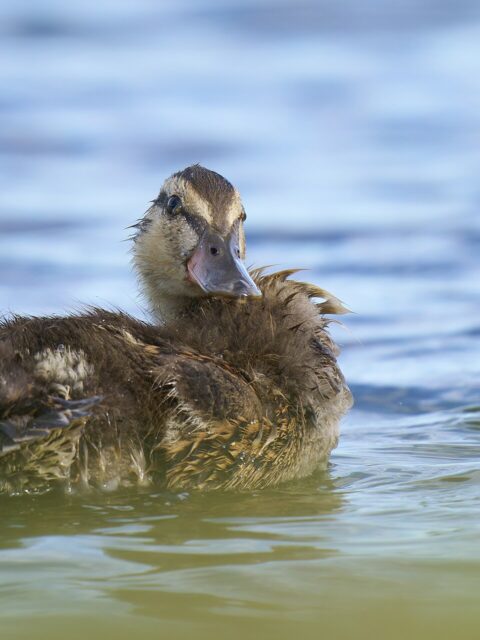
The Red Shoveler (Anas platalea) is a strikingly colored duck known for its distinctive spatula-shaped bill, which it uses to filter food from the water. Males are characterized by their rich chestnut plumage, contrasting with a green head and a white chest, while females are mottled brown with a more subdued appearance. This species is often found in shallow wetlands and marshes, where it forages for food and engages in social behaviors with other waterfowl.
FUN FACTS
- The Red Shoveler's unique bill is not just for show; it plays a crucial role in their feeding strategy, allowing them to efficiently filter food from the water
- Additionally, these ducks are known for their vibrant courtship displays, which can include synchronized swimming and vocalizations that attract mates
QUICK INFO
Lifespan10-15 years in the wild
Average Weight600-800 g
Average Length50-60 cm
Diet TypeOmnivore
Social StructureThey are often found in pairs or small groups, especially during the breeding season.
Activity PatternDiurnal
Breeding SeasonSpring to early summer
- Habitat
- Red Shovelers inhabit freshwater wetlands, marshes, and shallow lakes. They prefer areas with abundant vegetation for foraging and nesting.
- Biomes
- Wetlands, Freshwater
- Native Range
- The Red Shoveler is native to South America, particularly in countries like Argentina, Chile, and Uruguay.
- Continent
- South America
- Countries
- Argentina, Chile, Uruguay, Bolivia, Paraguay
- Diet
- The Red Shoveler primarily feeds on aquatic plants, seeds, and small invertebrates. Its unique bill allows it to sift through mud and water to find food.
- Diet Type
- Omnivore
- Favorite Food
- aquatic plants, seeds, small invertebrates
- Social Structure
- They are often found in pairs or small groups, especially during the breeding season.
- Activity Pattern
- Diurnal
- Group Size
- 5-30
- Territorial
- 0

 LC
LC
 VU
VU
 LC
LC
600-800 g
Weight
50-60 cm
Length
- Coloration
- Males have a chestnut body with a green head and white chest, while females are brown and mottled.
- Sexual Dimorphism
- Males are more brightly colored than females.
- Lifespan
- 10-15 years in the wild
- Offspring per Birth
- 6-12
- Sexual Maturity
- 1 year
- Breeding Season
- Spring to early summer
LC
Least Concern
IUCN Red List Status
- Population Status
- The population of Red Shovelers is currently stable, but habitat loss poses a potential threat.
- Wild Population Estimate
- 50,000-100,000
- Population Trend
- Stable
- Endangered
- 0
- Threats
- Main threats include habitat destruction due to agriculture and urban development. Pollution and climate change also pose risks to their wetland habitats.
- Predators
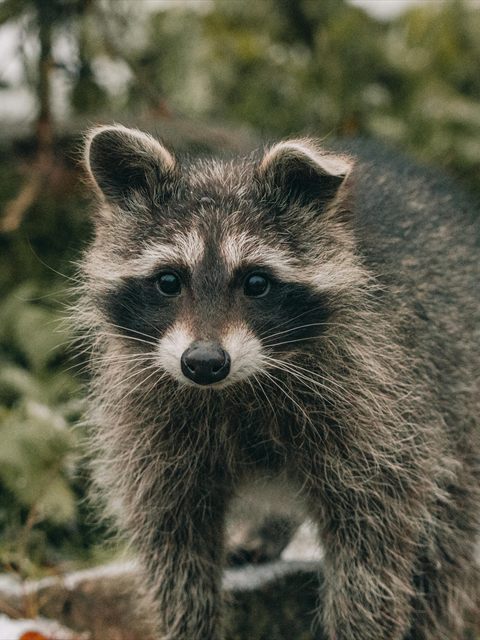
- Foxes, raccoons, birds of prey, and large fish can prey on Red Shoveler eggs and ducklings.
- Defense Mechanisms
- They rely on their ability to quickly take flight and their cryptic coloration to avoid predators.
- Compatible Animals
- Other waterfowl species, such as ducks and geese
- Found in Zoos
- Uncommon