


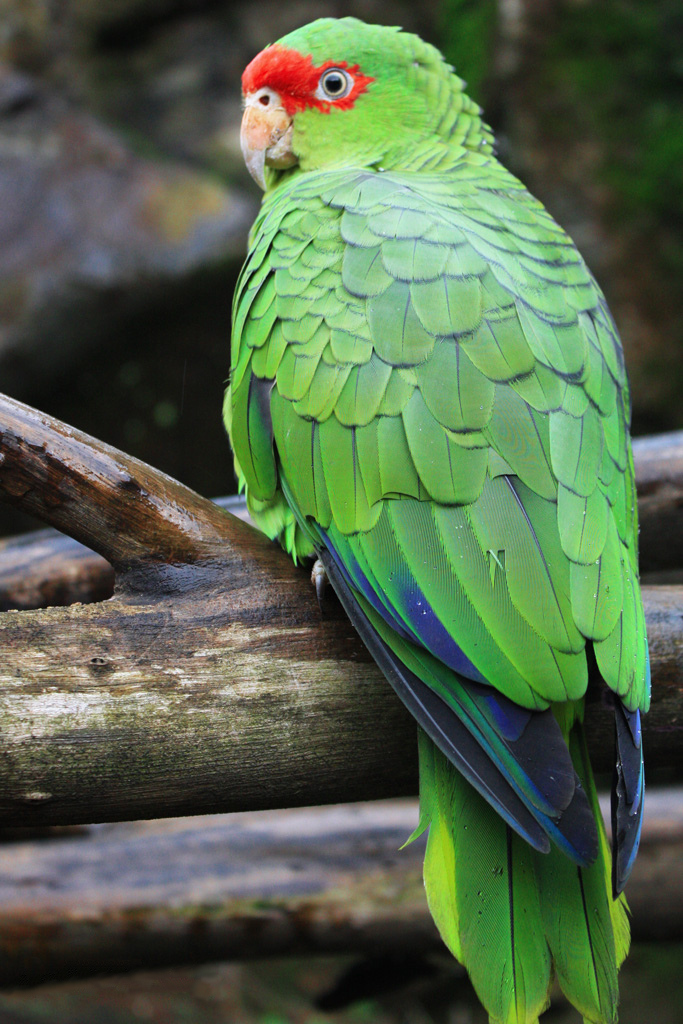
RED-SPECTACLED AMAZON
Amazona pretrei
DESCRIPTION
Red-spectacled Amazon (Amazona pretrei) is a vibrant parrot known for its striking red spectacles around the eyes, which contrast beautifully with its green plumage. This species exhibits a playful and social nature, often seen in pairs or small groups, engaging in vocalizations and acrobatics. In the wild, they inhabit tropical forests and are known for their intelligence and ability to mimic sounds, making them popular among avian enthusiasts.
FUN FACTS
- Red-spectacled Amazons are known for their exceptional vocal mimicry, often imitating human speech and other sounds they hear in their environment
- This ability makes them not only fascinating pets but also important for studies on animal communication and cognition
- | In the wild, these parrots play a crucial role in their ecosystem by helping to disperse seeds through their diet, contributing to forest regeneration and biodiversity
- Their foraging habits ensure that they interact with a variety of plant species, making them vital for maintaining healthy habitats
QUICK INFO
Lifespan20-30 years in captivity
Average Weight300-400 g
Average Length30-35 cm
Diet TypeHerbivore
Social StructureThey are typically found in pairs or small groups, showcasing a social structure that emphasizes strong pair bonds.
Activity PatternDiurnal
Breeding SeasonSpring (March-May)
- Habitat
- Red-spectacled Amazons thrive in tropical and subtropical forests, often found in areas with abundant fruiting trees. They prefer habitats that provide ample cover and nesting sites.
- Biomes
- Tropical Rainforest, Subtropical Forest
- Native Range
- This species is native to the Amazon Basin, specifically found in parts of Brazil and surrounding regions.
- Continent
- South America
- Countries
- Brazil
- Diet
- They primarily feed on fruits, seeds, and nuts, foraging in the canopy of trees. Their diet is supplemented with flowers and leaves, showcasing their adaptability to available food sources.
- Diet Type
- Herbivore
- Favorite Food
- Fruits, seeds, nuts
- Social Structure
- They are typically found in pairs or small groups, showcasing a social structure that emphasizes strong pair bonds.
- Activity Pattern
- Diurnal
- Group Size
- 2-10
- Territorial
- 1
 VU
VU
 LC
LC
300-400 g
Weight
30-35 cm
Length
- Coloration
- Predominantly green with red markings around the eyes and a yellowish crown.
- Lifespan
- 20-30 years in captivity
- Offspring per Birth
- 2-4
- Sexual Maturity
- 3-4 years
- Breeding Season
- Spring (March-May)
LC
Least Concern
IUCN Red List Status
- Population Status
- The population is currently stable, but habitat loss poses a potential threat.
- Wild Population Estimate
- 10,000-15,000
- Population Trend
- Stable
- Endangered
- 0
- Threats
- Main threats include habitat destruction due to deforestation and illegal trapping for the pet trade. Conservation efforts are needed to protect their natural habitats.
- Predators
- Large birds of prey, snakes, and mammals such as monkeys may pose threats to young or unguarded individuals.
- Defense Mechanisms
- They often rely on their ability to fly quickly and their social structure to warn each other of potential dangers.
- Compatible Animals
- Other Amazon parrots, cockatoos, macaws
- Found in Zoos
- Uncommon