


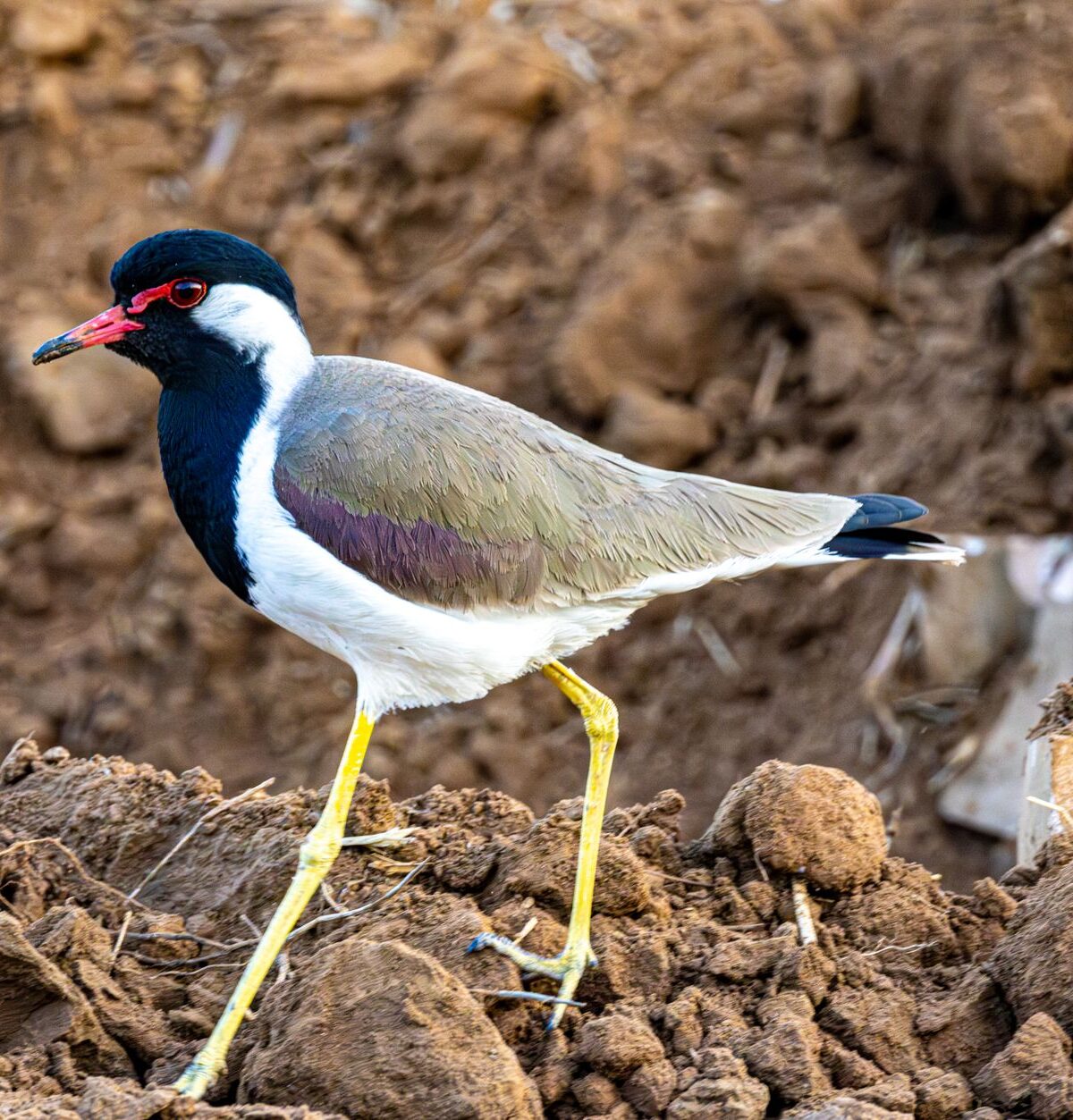
RED-WATTLED LAPWING
Vanellus indicus
DESCRIPTION
Red-wattled Lapwing (Vanellus indicus) is commonly known as the Wattled Lapwing and Indian Lapwing. This bird is characterized by its striking black and white plumage, with a distinctive red wattle on its face and a loud, distinctive call. It is often found in open fields and wetlands, where it forages for food and raises its young, displaying a range of interesting behaviors including aggressive territorial displays.
FUN FACTS
- Red-wattled Lapwings are known for their unique and loud call, which sounds like 'did-he-do-it'
- This call is often heard in their natural habitat and is used to communicate with other members of their species
- | During the breeding season, these birds are highly protective of their nests and will often feign injury to distract predators, leading them away from their eggs or chicks
QUICK INFO
Lifespan5-10 years in the wild
Average Weight200-300 g
Average Length30-35 cm
Diet TypeOmnivore
Social StructureThey are typically found in pairs or small groups, often seen foraging together in open areas.
Activity PatternDiurnal
Breeding SeasonMonsoon season (June-September)
- Habitat
- This species inhabits a variety of open habitats, including grasslands, agricultural fields, and wetlands. It prefers areas with short vegetation where it can easily spot predators and forage for food.
- Biomes
- Grassland, Wetland, Agricultural
- Native Range
- The Red-wattled Lapwing is native to the Indian subcontinent and parts of Southeast Asia.
- Continent
- Asia
- Countries
- India, Pakistan, Bangladesh, Nepal, Myanmar, Thailand
- Diet
- The Red-wattled Lapwing primarily feeds on insects, small invertebrates, and seeds. It forages on the ground, using its sharp eyesight to spot food items.
- Diet Type
- Omnivore
- Favorite Food
- insects, seeds
- Social Structure
- They are typically found in pairs or small groups, often seen foraging together in open areas.
- Activity Pattern
- Diurnal
- Group Size
- 2-10
- Territorial
- 1

 LC
LC
 VU
VU
200-300 g
Weight
30-35 cm
Length
- Coloration
- Black and white with a distinctive red wattle and yellow legs.
- Lifespan
- 5-10 years in the wild
- Offspring per Birth
- 3-4
- Sexual Maturity
- 1 year
- Breeding Season
- Monsoon season (June-September)
LC
Least Concern
IUCN Red List Status
- Population Status
- The population of Red-wattled Lapwing is currently stable, though it can be affected by habitat loss.
- Wild Population Estimate
- 100,000-1,000,000
- Population Trend
- Stable
- Endangered
- 0
- Threats
- Main threats include habitat destruction due to urbanization and agricultural expansion. Additionally, they are vulnerable to predation by domestic animals.
- Predators
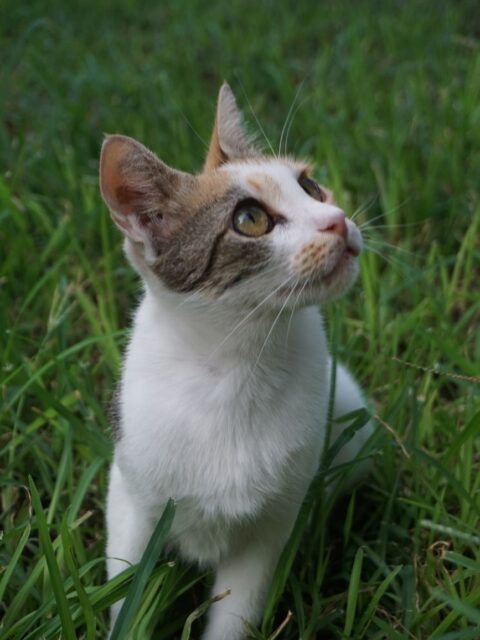
- Foxes, domestic cats, birds of prey
- Defense Mechanisms
- They use distraction displays and loud calls to deter predators from their nests.
- Found in Zoos
- Uncommon